









The Macroeconomic Convergence: Global Triggers and Domestic Impacts
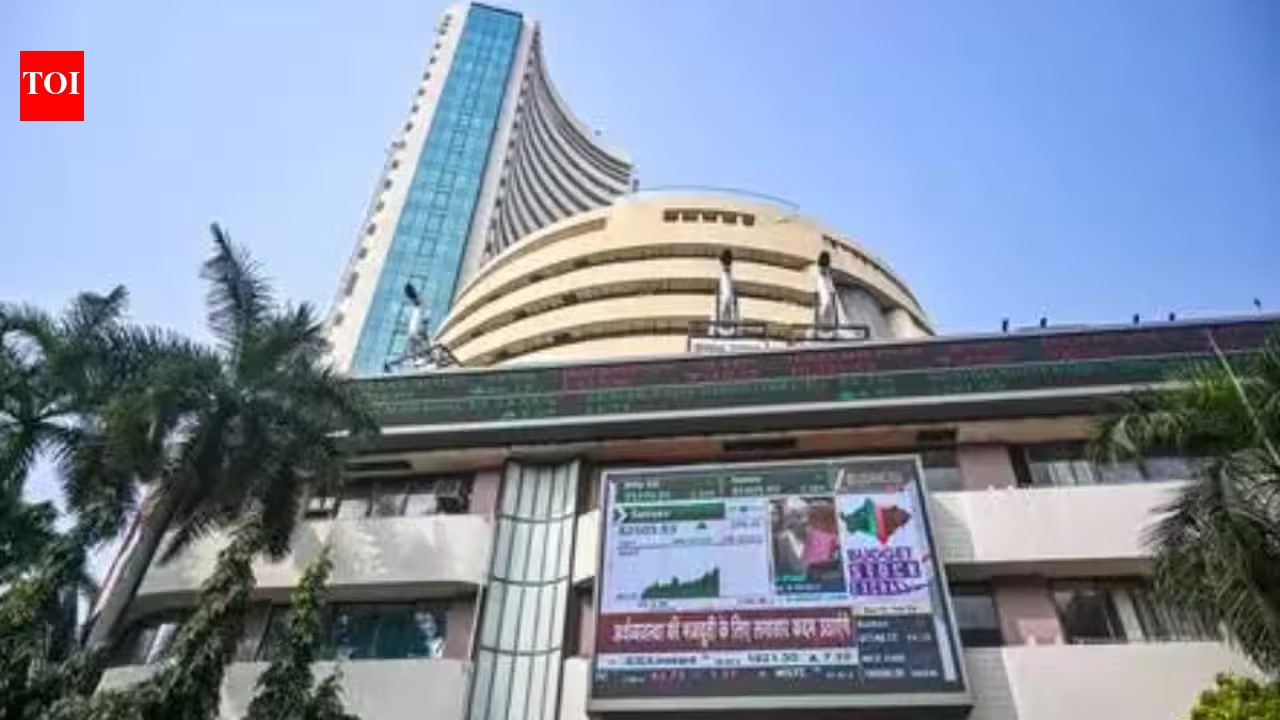
The recent sharp contraction in the Indian equity markets serves as a stark reminder of the intrinsic vulnerability of emerging economies to synchronized global macroeconomic headwinds. When the BSE Sensex plummeted by nearly 800 points to hit a multi-month low, it was not an isolated event triggered by corporate underperformance. Instead, it was the culmination of a “triple-threat” scenario: surging global energy prices, the relentless rise in US Treasury yields, and a persistent inflationary climate that complicates the Reserve Bank of India’s (RBI) monetary policy roadmap.
Brent crude oil prices breaching the $100 per barrel mark creates a significant supply-side shock for India, a nation that remains a substantial net importer of crude. As energy prices climb, the cascading effect on transportation costs, manufacturing overheads, and consumer prices becomes inevitable. This creates a difficult environment for the central bank, which must balance the need for economic growth with the mandate to keep retail inflation within the target band. The recent climb in India’s retail inflation to a 20-month high underscores this dilemma. When inflationary expectations become entrenched, the prospects for monetary easing diminish, and the market begins to price in a “higher-for-longer” interest rate environment, which traditionally weighs heavily on equity valuations.
The Yield Curve Conundrum and Equity Valuations
The relationship between sovereign bond yields and equity prices is inverse and foundational to modern finance. As the US 10-year Treasury yield pushes toward two-decade highs, global liquidity is naturally drawn toward the safety and higher risk-adjusted returns of dollar-denominated assets. For an emerging market like India, this capital migration leads to a weakening rupee, which in turn elevates the cost of imports and compounds domestic inflationary pressures.
Within India, the 10-year G-sec yield rising above the 7.1% threshold creates a “discount rate” problem for equity analysts. Since the valuation of a company is theoretically the present value of its future cash flows, a higher risk-free rate necessitates a higher discount factor. This disproportionately impacts growth-oriented stocks and mid-cap companies, which rely on future earnings growth to justify current market prices. The recent sell-off, which saw a market cap erosion of nearly Rs 9.2 lakh crore, highlights the fragility of these high-multiple stocks when macroeconomic variables shift. Investors are increasingly demanding a higher risk premium to hold equities, leading to the rapid repricing seen on Dalal Street.
Structural Shifts and the Volatility of Closing Auction Sessions
The recent market turbulence was exacerbated by technical anomalies within the trading framework, specifically regarding the Closing Auction Session (CAS). The phenomenon where the Nifty index plunged 463 points in a single minute during the closing session is a testament to the concentrated liquidity and systemic sensitivity of modern algorithmic trading. The introduction of the CAS was intended to provide a more representative closing price for indices; however, it has inadvertently introduced a window for high-frequency trading firms and institutional algorithms to execute large-scale hedging or liquidation strategies.
When these technical adjustments coincide with weekly derivatives expiry, the resulting volatility is magnified. On expiry days, open interest positions require adjustment, and the “gamma hedging” performed by market makers can lead to self-reinforcing downward or upward price movements in the final minutes of trade. For the retail investor, this creates an environment of intense uncertainty. The “flash” nature of these drops is often detached from the fundamental health of the underlying companies, yet it contributes to a wider psychological shift where market participants lean toward panic-selling rather than long-term value accumulation.
Institutional Dynamics and the Tug-of-War
Analyzing the flow of capital reveals a structural tension between foreign institutional investors (FIIs) and domestic institutional investors (DIIs). The net selling by foreign funds, which amounted to nearly Rs 3,000 crore, represents a tactical move to reduce exposure to emerging market assets as the dollar gains strength. FIIs have a low threshold for geopolitical instability and rising energy costs, making them the primary drivers of volatility during periods of global stress.
Conversely, the role of DIIs, including mutual funds and insurance companies, has evolved into a critical stabilizing force for the Indian market. By net buying nearly Rs 2,700 crore during the same period, domestic investors are acting as a counterbalance to the capital outflows. This internal resilience, fueled by the Systematic Investment Plan (SIP) culture, is a relatively new phenomenon in India. Unlike previous decades, where foreign exits would lead to a catastrophic crash, the current market structure allows for a more “cushioned” decline. However, as the yield gap between debt and equity narrows, domestic investors may also begin to tilt their portfolios toward debt instruments, which would remove this critical layer of support for equity indices.
Navigating the Path Forward: Strategy for a High-Rate Regime
For participants in the Indian stock market, the current scenario warrants a transition from aggressive growth strategies to defensive, value-conscious positioning. When the macroeconomic backdrop is defined by geopolitical uncertainty and fluctuating commodity prices, companies with high debt-to-equity ratios become liabilities. Instead, focus shifts to businesses with strong pricing power, robust balance sheets, and the ability to pass on inflationary costs to the end consumer without losing volume.
The banking and financial services sector, which is the heartbeat of the Indian market, will continue to face scrutiny. While higher interest rates can technically improve net interest margins for lenders, they also increase the probability of asset quality deterioration if borrowers struggle to service debt under higher EMI loads. Investors should monitor the RBI’s policy stance closely, as the central bank’s pivot—or lack thereof—will be the primary catalyst for the next leg of the market cycle.
Ultimately, the recent downturn is a healthy, albeit painful, adjustment to a world where cheap capital is no longer the baseline. As the market digests the reality of persistent inflation and higher yields, the focus will likely return to corporate earnings quality rather than speculative momentum. Long-term wealth creation in the Indian context will remain tethered to the growth of the real economy, which despite temporary global headwinds, continues to show structural strengths. The resilience of the Indian markets will ultimately depend on the ability of domestic companies to navigate higher input costs while maintaining efficiency, and on the regulatory framework to manage the volatility of high-frequency trading sessions. In the interim, prudence and a rigorous assessment of risk are the most effective tools for navigating these volatile waters.
Disclaimer: This content is auto-generated for informational purposes only.
Source: Read Original News