







Diplomatic Tensions Surface at Commonwealth Parliamentary Conference in Cape Town
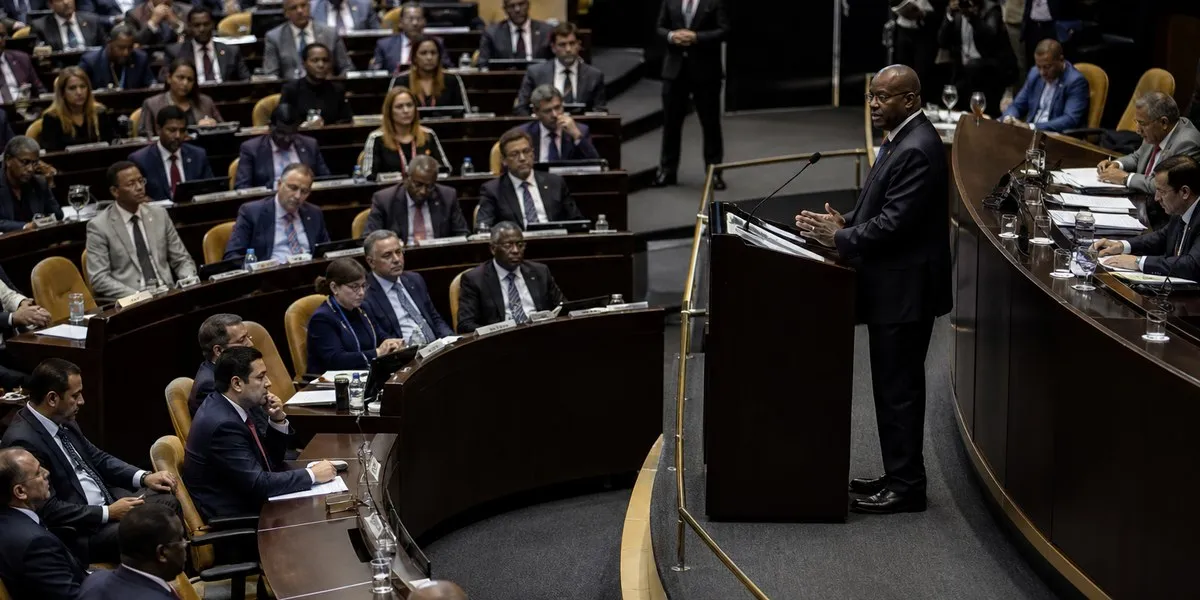
The 69th Commonwealth Parliamentary Conference, hosted in Cape Town, South Africa, witnessed an unusual scene of diplomatic friction this week as Indian delegates reportedly attempted to interrupt an address delivered by the Speaker of Pakistan’s National Assembly, Ayaz Sadiq. The session, which was intended to focus on global climate change adaptation and justice, instead became the site of a contentious confrontation between the two South Asian neighbors.
Disruptions During Keynote Address
According to reports from the conference proceedings, the tension began while Speaker Sadiq was delivering his remarks on the pressing need for climate resilience. The disruption was not a one-time occurrence; video footage circulating from the event depicts multiple instances where members of the Indian delegation sought to intervene, at one point attempting to gain control of the floor’s microphone system to halt or redirect the proceedings.
The atmosphere within the hall grew notably strained as the delegates from India persistently disrupted the speech. The intervention was met with firm pushback from the organizers. Representatives from the host nation and a parliamentary speaker from Jamaica intervened, explicitly instructing the Indian delegates to either maintain decorum or vacate the chamber. Other international attendees at the conference were also observed urging the delegates to allow the speaker to conclude his address, emphasizing the forum’s focus on the climate agenda.
Allegations of Water Resource Weaponization
The core of Sadiq’s speech centered on the intersection of climate change, food security, and water resources. Notably, the Pakistani Speaker introduced the concept of “water terrorism,” a term he used to describe the manipulation of river flows and water retention practices without explicitly naming any specific nation.
Sadiq underscored the vulnerability of Pakistan, noting that his country remains among the most severely impacted by global warming. He advocated for a shift in climate adaptation policy, suggesting that such frameworks must be bolstered by transparent public participation and rigorous oversight from democratic institutions. He argued that the ripple effects of climate instability—ranging from catastrophic flooding to agricultural failure—pose a direct threat to healthcare and economic stability in the region.
Lingering Bilateral Strains
The disruption in Cape Town highlights the ongoing volatility in India-Pakistan relations, which have long been marked by disputes over transboundary water management. The Indus Waters Treaty, a long-standing agreement governing the distribution of water from the Indus River system, remains a primary point of contention between the two countries.
Earlier this year, tensions over these shared resources reached a diplomatic boiling point. In August, reports indicated that the Permanent Court of Arbitration in The Hague issued directives regarding a disputed hydropower project in Kashmir, urging India to ensure full compliance with the established treaty protocols.
Despite the interruptions, Speaker Sadiq concluded his session by calling for greater parliamentary cooperation across the Commonwealth. He urged legislative bodies to share best practices in mitigating climate risks and stressed the necessity of parliamentary oversight regarding international climate finance. While the incident in the hall was successfully quelled, it served as a stark reminder of how deep-seated regional geopolitical rivalries continue to permeate even the most technical and humanitarian international forums.
Disclaimer: This content is auto-generated for informational purposes only.
Source: Read Original News