







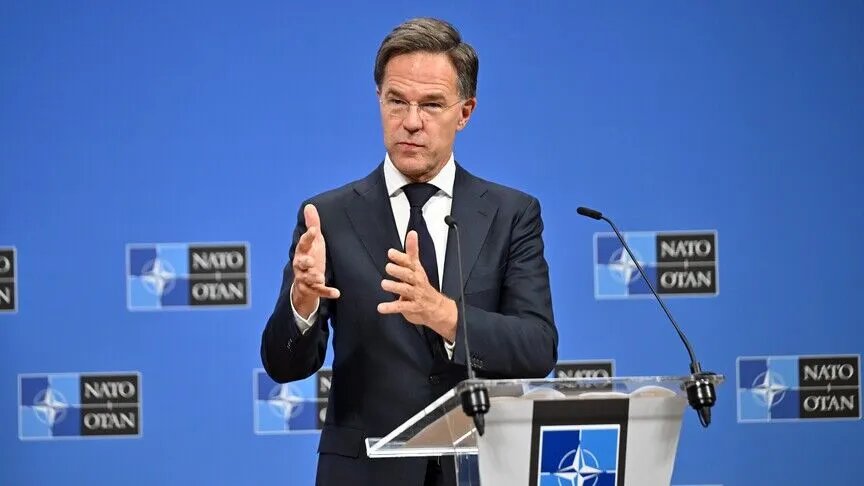
The Arctic is emerging as a critical frontier in NATO’s broader strategic calculus, as the alliance grapples with what Secretary General Mark Rutte has described as the “most dangerous and complex” security environment in a generation. Speaking at the Annual Lecture at The Ditchley Foundation in Oxfordshire on Wednesday, Rutte emphasized that the stability of the High North is not merely a regional concern but an essential pillar for the long-term security of the entire transatlantic alliance.
As geopolitical tensions rise, the Arctic has shifted from a zone of relative stability to a region of intensifying strategic competition. The melting of polar ice, driven by global climate change, has opened new maritime corridors and increased access to untapped natural resources, attracting the interests of both member states and external global powers. For NATO, this shift presents a logistical and defensive challenge that requires heightened investment and a more robust presence.
“A secure Europe, a secure Atlantic, and a secure Arctic are priorities for NATO and also essential for the US’ long-term security,” Rutte stated, underscoring the interconnectedness of these geographic theaters. As the climate-driven transformation of the Arctic continues to accelerate, the alliance is increasingly viewing the region through a security-first lens. The ability to monitor and defend these northern waters is now seen as a fundamental requirement for maintaining collective deterrence.
However, Rutte’s message was rooted in a pragmatic assessment of fiscal capability. He argued that the alliance’s ability to project power and maintain credibility in these high-stakes environments—including the Arctic—depends entirely on the willingness of member states to commit greater financial resources. During his address, the Secretary General reiterated his call for increased defense spending across the board, warning that the current security climate leaves no room for complacency.
“It is clear if we do not invest more in our security, our collective defense will not be credible,” Rutte said. He noted that while progress has been made—with European allies and Canada collectively increasing their defense spending by nearly 20% in 2025 alone—the scale of the current threat requires a sustained and deeper commitment.
Rutte’s vision for “NATO 3.0” calls for a rebalancing of the alliance’s internal dynamics, with a greater emphasis on “more Europe” to complement the enduring transatlantic bond. He maintained that while the United States remains the linchpin of the alliance, European nations must take on a larger share of the responsibility. This includes modernizing capabilities for extreme environments like the Arctic, where specialized equipment and infrastructure are required to ensure operational readiness.
The urgency of these remarks reflects a broader shift within the alliance’s strategic doctrine. For decades, the Arctic was often sidelined as a secondary theater, but the combination of environmental change and the assertive posture of competing nations has moved it to the forefront of NATO’s agenda. Ensuring that the alliance remains prepared for the complex security challenges of the coming decade will require not only increased investment in hardware and personnel but also a unified diplomatic front to address the changing dynamics of the North.
As Rutte concluded his address, he reaffirmed that the protection of the Western way of life remains contingent on the strength and readiness of the alliance. By linking the security of the Arctic directly to the stability of the Atlantic and Europe, NATO is signaling a shift toward a more integrated, proactive, and better-funded defensive posture, prepared to address both the geopolitical and environmental realities of a changing world.
Disclaimer: This content is auto-generated for informational purposes only.
Source: Read Original News