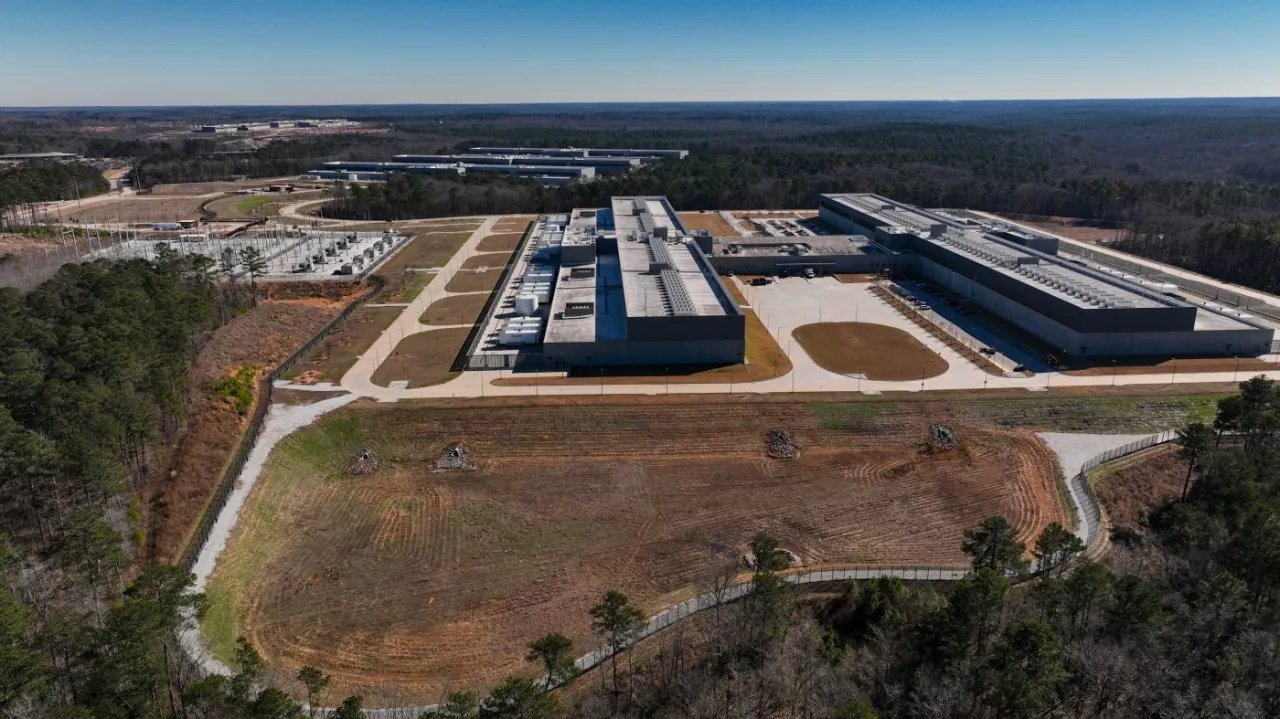








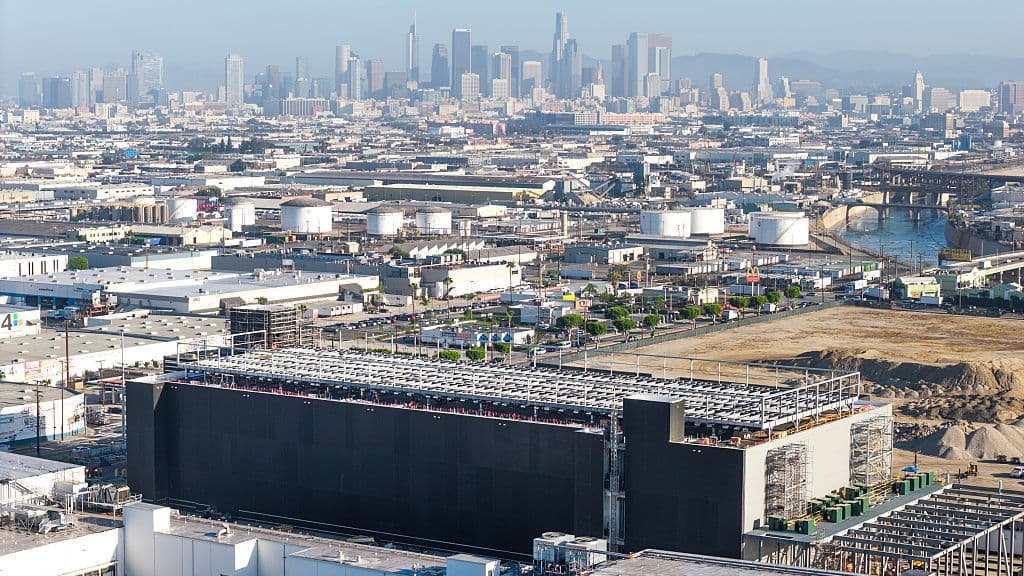
The rapid expansion of the digital economy has triggered a massive build-out of physical infrastructure across the United States. According to new data from market intelligence firm Clearview, there are currently 1,287 data centers in operation across the country, with a pipeline of more than 2,000 planned projects. This development wave, largely fueled by the intensifying demand for computing power to train and deploy large-scale artificial intelligence (AI) models, is shifting from traditional technology hubs like Virginia and Texas toward rural areas throughout the South and Midwest.
These “hyperscale” facilities, which require unprecedented levels of electricity and water for cooling, are becoming the primary engines of the modern AI revolution. However, as these mammoth centers multiply, they are placing an immense strain on local power grids and natural resources, sparking a growing debate over how to balance technological progress with environmental sustainability.
The sheer scale of this growth has begun to shift public sentiment. A recent survey indicates that a majority of Americans—approximately 6 in 10—now favor government intervention to limit the construction of new data centers. Notably, this appetite for regulation transcends the traditional partisan divide, garnering support from a majority of both Democrats and Republicans.
While there is broad consensus on the need for oversight, the drivers of this concern vary by political affiliation. Democrats appear particularly focused on the ecological consequences of AI, with roughly two-thirds of those polled describing themselves as “extremely” or “very” concerned about the environmental impact of these technologies. This represents a significant uptick from 2025, when concern levels hovered near 50%. Among other voting blocs, the perception of risk is lower but still substantial: roughly half of Independents and 4 in 10 Republicans report high levels of concern regarding how the AI-driven infrastructure boom will affect the environment.
The environmental footprint of these facilities is multifaceted. Beyond the immediate energy requirements—which are forcing utility companies to revisit plans to retire coal and gas plants or expedite the construction of new power infrastructure—data centers consume vast quantities of water for cooling systems. In regions where water scarcity is already a challenge, the location of a new hyperscale facility can quickly become a flashpoint for local community opposition.
Furthermore, the rapid pace of development is complicating national efforts to meet climate goals. As data centers demand 24/7 power, they often require “baseload” energy, which can delay the transition toward renewable energy sources like wind and solar, which are inherently intermittent. Some tech companies are exploring nuclear energy and other advanced power solutions to meet their needs, but the sheer volume of planned centers suggests that the demand for power will continue to outpace the greening of the grid for the foreseeable future.
As policymakers face pressure to regulate, the challenge lies in crafting a framework that does not stifle innovation while simultaneously ensuring that the infrastructure supporting the AI revolution does not undermine national environmental stability. With over 2,000 projects waiting in the wings, the friction between technological ambition and physical resource constraints is set to intensify, making data center siting and energy usage a central theme in the next phase of the U.S. environmental policy debate. For local governments in the South and Midwest, which are increasingly targeted for these developments, the challenge will be to determine how much energy growth their communities can sustainably host.
Disclaimer: This content is auto-generated for informational purposes only.
Source: Read Original News