







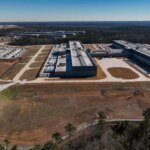


The Houston metropolitan area has officially cemented its status as a powerhouse of the American economy, recording a robust surge of 50,300 new jobs over the past twelve months. According to the latest regional labor data, this growth rate comfortably outpaces the national average, signaling a period of significant expansion fueled primarily by the energy transition and a sustained boom in construction.
While traditional pillars like oil and gas remain central to this momentum, the regional labor market is increasingly influenced by a pivot toward sophisticated digital infrastructure and the integration of artificial intelligence across industrial workflows.
Energy Sector Evolution and AI Integration
Houston’s energy sector is no longer just about drilling and refining; it is rapidly transforming into a hub for computational energy management. Local energy firms are pouring capital into AI-driven predictive maintenance and data analytics to optimize supply chains and reduce carbon footprints. This shift has created a unique demand for a hybrid workforce—professionals who possess both traditional engineering expertise and technical proficiency in machine learning and cloud architecture.
As energy companies modernize their operations, they are turning to comprehensive tech suites, including Google Cloud’s advanced data warehousing and AI-powered sustainability tools. These digital updates allow Houston-based firms to process geological and operational data at unprecedented speeds. Consequently, the local job market is witnessing a rise in high-paying roles for data scientists, system architects, and cybersecurity specialists tasked with protecting critical energy infrastructure from global digital threats.
Construction Boom and Smart Infrastructure
The significant addition of 50,300 jobs is also heavily anchored in construction, a sector that is undergoing its own digital metamorphosis. Houston’s skyline and industrial peripheries are expanding with “smart” construction projects that leverage real-time building information modeling (BIM) and satellite imagery.
Architectural and construction firms are utilizing Google Earth Engine and high-resolution geospatial data to map expansion projects, track site progress, and manage logistics. This integration of tech into the construction site has increased operational efficiency, allowing projects to be completed faster and with higher precision. The surge in building permits across the metro area suggests that this trend will continue, as new office spaces, residential developments, and specialized industrial facilities remain a top priority for investors looking to capitalize on Houston’s population growth.
The Digital Divide and Workforce Development
As Houston’s economic landscape changes, local leaders and educational institutions are doubling down on workforce development to ensure the labor force remains competitive. The digital transformation of the energy and construction sectors means that entry-level roles are increasingly requiring digital literacy. Google’s ongoing initiatives, such as its Career Certificates and digital upskilling workshops, have become essential resources for local residents looking to transition into these high-growth sectors.
The synergy between Houston’s physical industries and the digital economy provides a blueprint for other metro areas. By embedding AI and cloud-native solutions into the backbone of industrial production, Houston is insulating its economy against common market fluctuations. As the metro continues to add thousands of positions monthly, the focus remains on sustaining this trajectory through continued investment in digital infrastructure.
For the Houston labor market, the message is clear: the future belongs to those who can bridge the gap between heavy industry and cutting-edge software. With the construction and energy sectors acting as the primary engines, the city is well-positioned to maintain its status as a national leader in job creation and technological adoption well into the coming decade. The alignment of local industrial strength with global tech trends suggests that Houston’s economic expansion is far from cooling off.
Disclaimer: This content is auto-generated for informational purposes only.
Source: Read Original News