
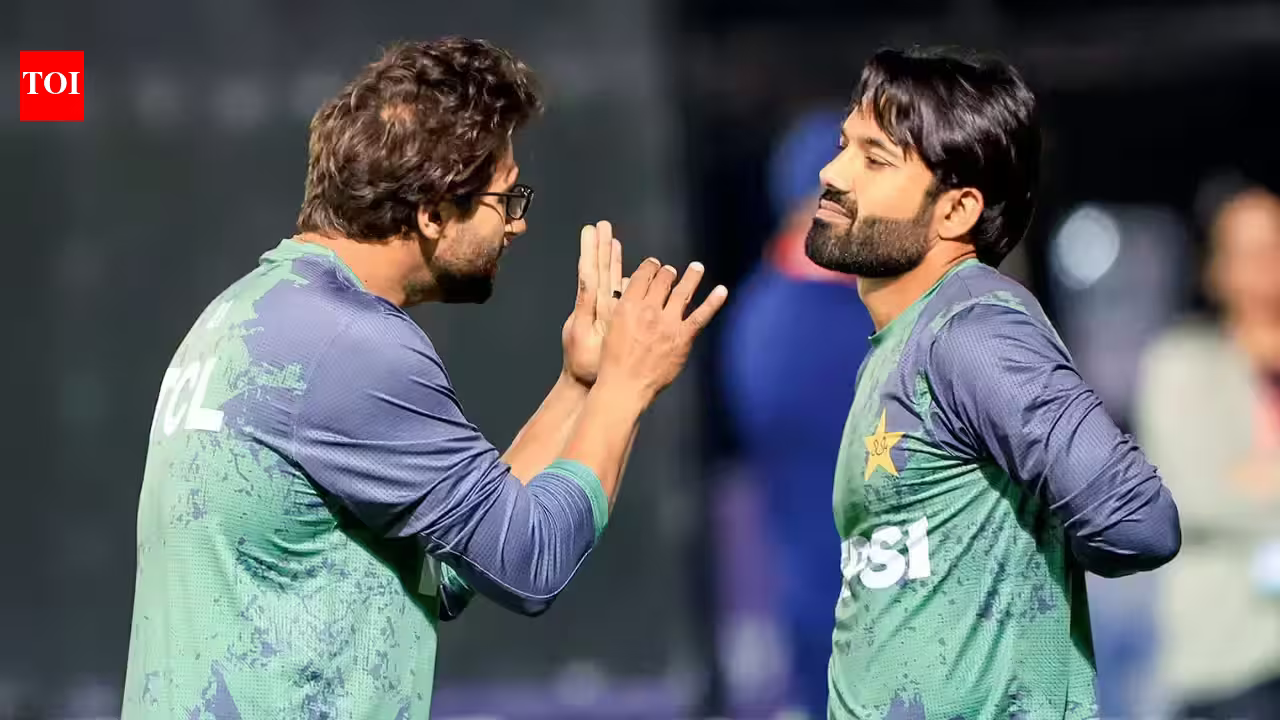






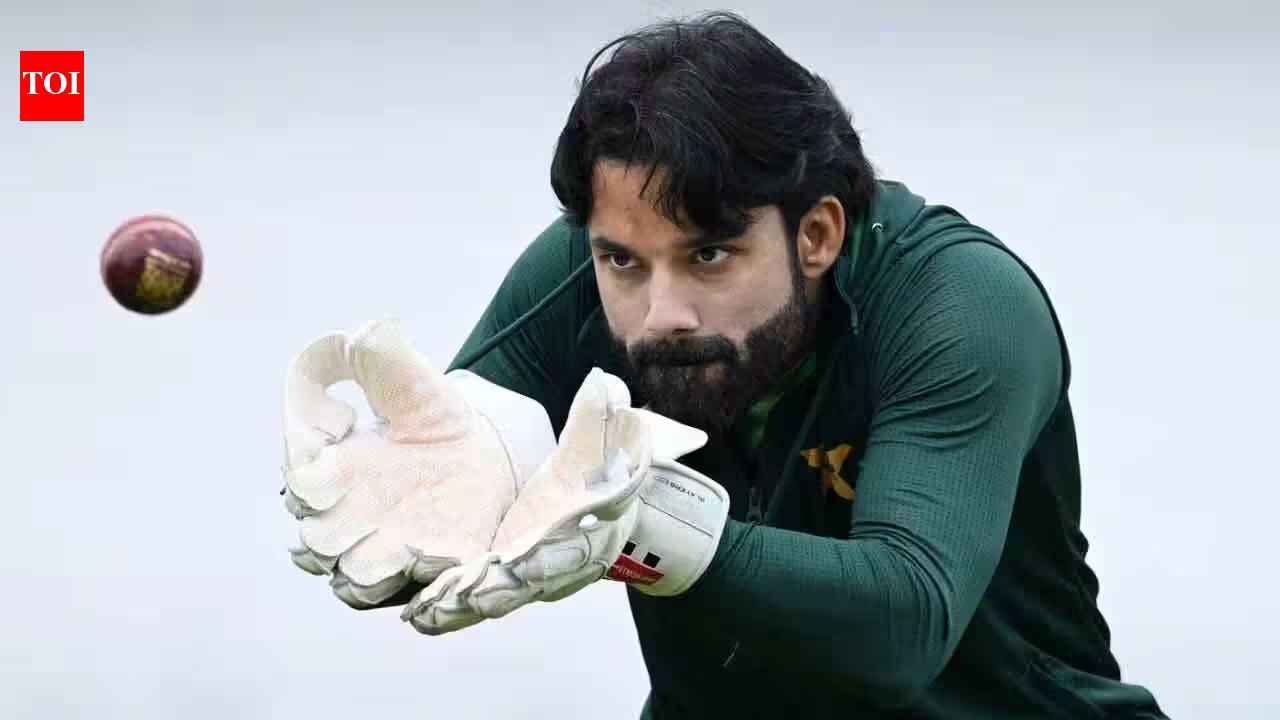
LAHORE — The simmering crisis within Pakistan cricket has taken a dramatic legal turn, as star wicketkeeper-batter Mohammad Rizwan has formally challenged the authority of the National Cyber Crime Investigation Agency (NCCIA) in the Lahore High Court. The move signals a major escalation in the ongoing friction between the country’s high-profile cricketers and the regulatory bodies tasked with investigating the national team’s recent catastrophic performance in England.
Rizwan, a cornerstone of the Pakistan batting lineup, filed a writ petition this past Monday, formally questioning the legal basis for the summons he received from the NCCIA. While the star cricketer did comply with an initial appearance at the agency’s Lahore headquarters last week, his legal team has since argued that the investigation lacks specific allegations and challenges whether the cyber crime agency has the jurisdiction to conduct such a wide-reaching inquiry into the personal and professional affairs of national athletes.
A Scope of Inquiry Under Fire
The controversy stems from a series of investigative questionnaires issued by the NCCIA to both Rizwan and fellow batter Imam-ul-Haq following Pakistan’s humiliating 3-0 Test series defeat on English soil. Reports indicate that the agency’s inquiries were exhaustive, demanding detailed disclosures regarding the players’ financial history, travel logs, and private lives.
While Imam-ul-Haq opted to submit his responses through an intermediary prior to the September 15 deadline, Rizwan’s decision to move the High Court highlights a deepening divide. The legal challenge brings the agency’s mandate into sharp focus: under what authority is a cyber crime unit probing the travel and financial habits of professional cricketers?
The ambiguity is compounded by the existence of a parallel internal probe being conducted by the Pakistan Cricket Board (PCB). The board has publicly stated that it has initiated its own disciplinary inquiry into the conduct and discipline of the squad, operating strictly under PCB regulations. Whether the NCCIA’s investigation is acting in concert with the PCB or as an independent entity remains a point of significant confusion and contention.
The Collapse of the English Campaign
The investigations are the direct byproduct of a disastrous overseas tour where Pakistan suffered a series sweep, punctuated by a 194-run defeat in the second Test at Lord’s and a final eight-wicket loss at Edgbaston. Following the Lord’s debacle, the PCB took drastic measures, sending seven players home—including Rizwan and Imam—and ushering in a wave of personnel changes.
The overhaul was comprehensive. The team’s management structure was dismantled, with head coach Sarfaraz Ahmed and bowling coach Umar Gul being removed from their posts. In their place, the board injected fresh blood into the squad, calling up five uncapped players. One such replacement, Razaullah, provided a rare bright spot, delivering an impressive debut performance at Edgbaston that included four wickets and a gutsy 81-run innings.
For Rizwan, the scrutiny is doubly difficult. His performances during the series were underwhelming, recording scores of 12, 41, 7, and 1 across his two appearances. This follows a trend of struggle for the batter, who had previously faced difficulty during the two-Test series in the West Indies. Imam-ul-Haq’s situation was equally precarious; he suffered a grade-one calf tear after the first day at Lord’s, an injury that was publicly questioned by chief selector and high-performance director Aaqib Javed, further fueling rumors of internal discord.
The PCB’s Hardline Stance
PCB Chairman Mohsin Naqvi has made it clear that the board intends to overhaul the culture of the team, suggesting that the recent failures go far deeper than mere technical errors. “We have had a discussion to ascertain the reasons behind it. They include factors beyond performance, and we will get to the bottom of it,” Naqvi stated recently.
The fallout has already claimed significant administrative scalps. The selection process itself has come under intense pressure, with the board demanding explanations regarding the criteria used to select Rizwan and Imam in the first place. The tension reached a boiling point when former captain and selector Misbah-ul-Haq resigned from his position amidst the squad reshuffle, underscoring the volatility currently gripping the national setup.
As the Lahore High Court prepares to hear Rizwan’s petition, the broader cricket community watches with bated breath. This is no longer merely a story of runs, wickets, or tactical failures; it has transformed into a high-stakes standoff between the state’s investigative apparatus and some of the country’s most celebrated sports figures. For a team that historically thrives on passion and intensity, the current administrative chaos threatens to undermine the foundations of Pakistan cricket at its most vulnerable moment.
The focus now shifts from the pitch to the courtroom, where the outcome of this legal battle will likely dictate the future relationship between the PCB, its players, and the state agencies overseeing them.
Disclaimer: This content is auto-generated for informational purposes only.
Source: Read Original News