






India Defends Energy Sovereignty Amidst New US Sanctions Threat
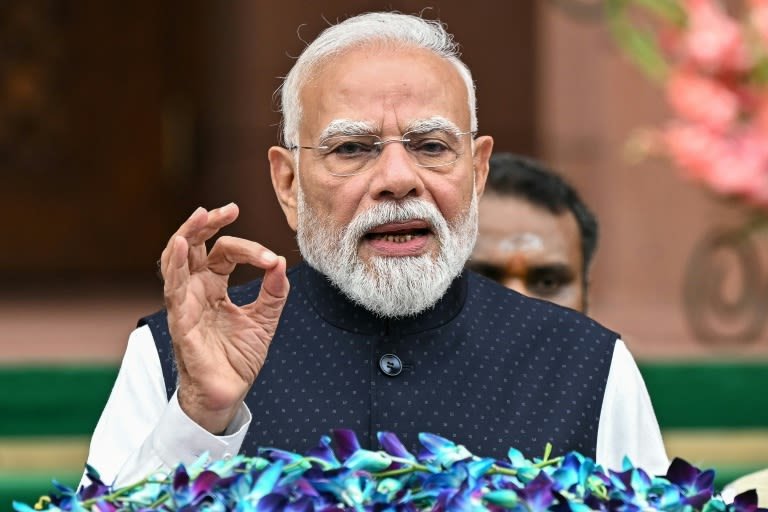
New Delhi has reiterated its unwavering commitment to its independent energy policy following the passage of a provocative new bill in the United States. In a firm response to the “Lindsey O. Graham Act on Sanctions Against Russia and Iran of 2026,” which sailed through the US House of Representatives this week, the Indian Ministry of Foreign Affairs made it clear that national interests will dictate the country’s procurement strategies rather than external geopolitical pressures.
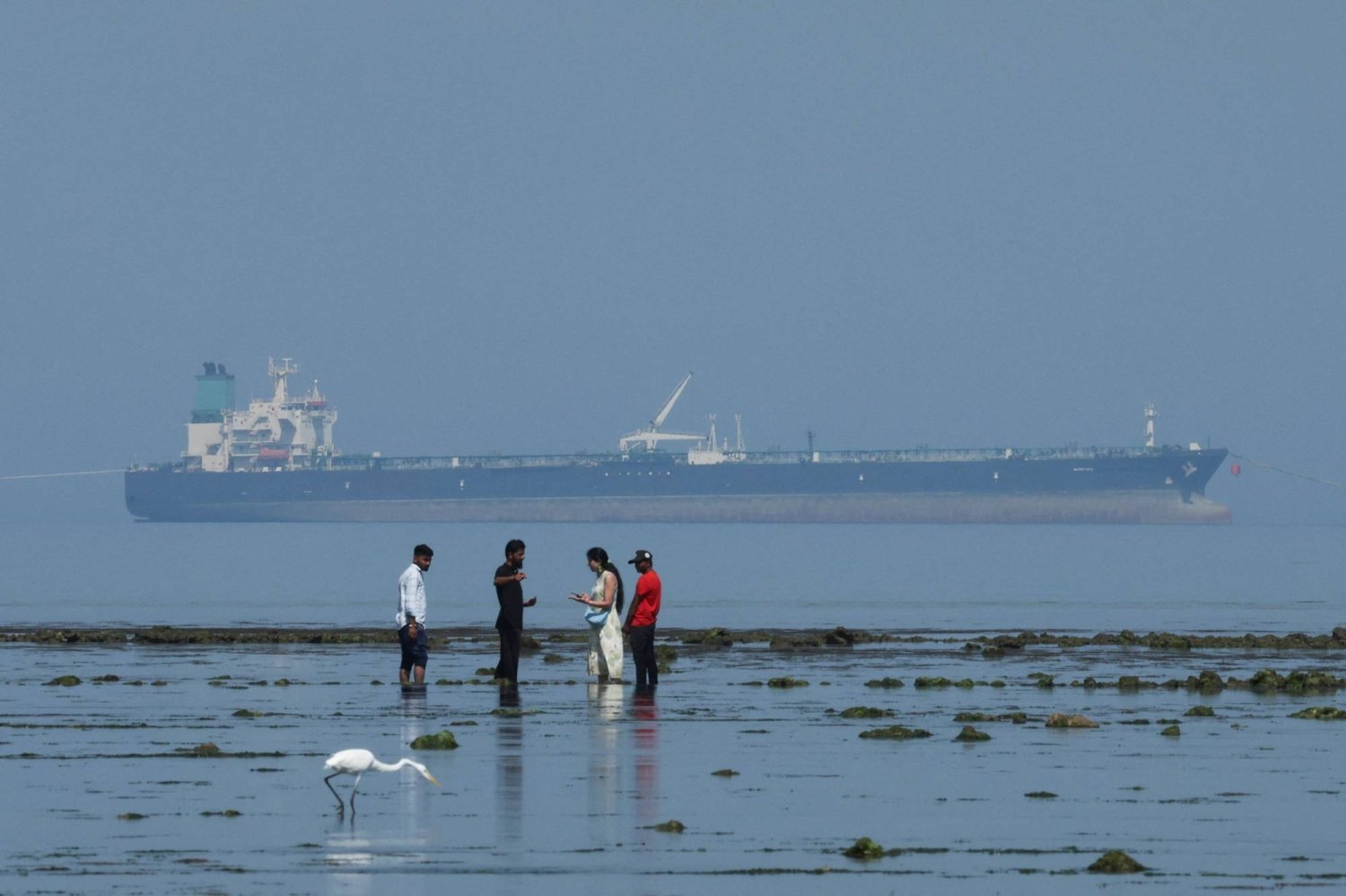
The diplomatic assertion comes at a time when Washington is ramping up scrutiny of global trade flows, particularly those involving Russian energy exports. The newly proposed US legislation grants the American administration the authority to impose punishing tariffs—reaching as high as 100%—on goods from nations identified as top importers of Russian crude oil and natural gas.
Prioritizing National Energy Security
In an official statement released on September 17, the Ministry of Foreign Affairs emphasized that India’s primary objective remains the stability and affordability of its energy supply.
“India remains firmly committed to ensuring the energy security of its population and will continue purchasing resources from various suppliers, taking market conditions into account,” the statement read. Government officials further underscored that New Delhi is prepared to take all necessary measures to safeguard its trade and economic interests against any unilateral punitive actions.
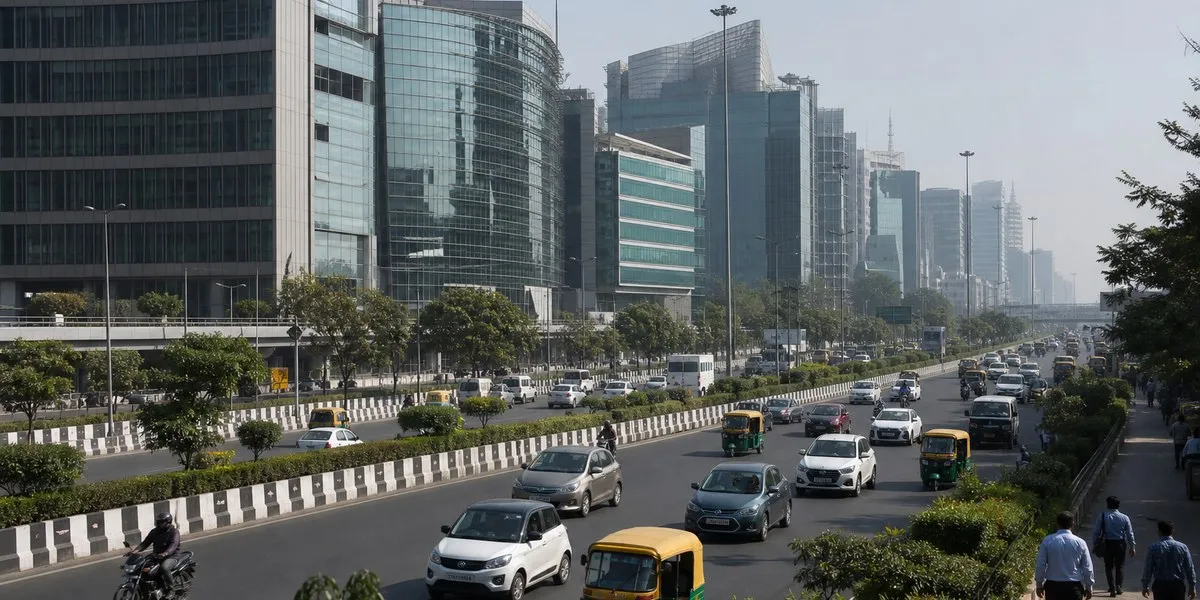
India, currently holding the position of the world’s third-largest oil importer, has maintained a pragmatic stance since the onset of the conflict in Ukraine in 2022. While Western nations moved to isolate the Russian economy, India opted to balance its geopolitical relations with its need for reliable, cost-effective energy. This strategy has allowed the Indian economy to mitigate the volatility of global oil prices, providing a buffer that has supported domestic growth.
The Scope of the US Legislative Move
The Lindsey O. Graham Act specifically targets the primary buyers of Russian energy, a group that prominently features both China and India. By threatening massive tariffs, the US aims to curtail the revenue streams that have sustained Moscow’s budget in recent years. However, the bill is not without its own internal flexibility; it grants the US President broad discretionary powers to waive sanctions or delay implementation, suggesting that the legislation may serve as much as a tool for diplomatic leverage as it does for economic containment.
Despite the looming threat of trade barriers, New Delhi’s position remains unshaken. Indian leadership has consistently argued that their reliance on diverse energy suppliers is a logical economic necessity rather than a political alignment. By refusing to bow to external directives, India is positioning itself as a defender of a multipolar energy market, where trade decisions are made in the interest of development rather than ideological bloc-building.
Looking Ahead: A Test of Bilateral Ties
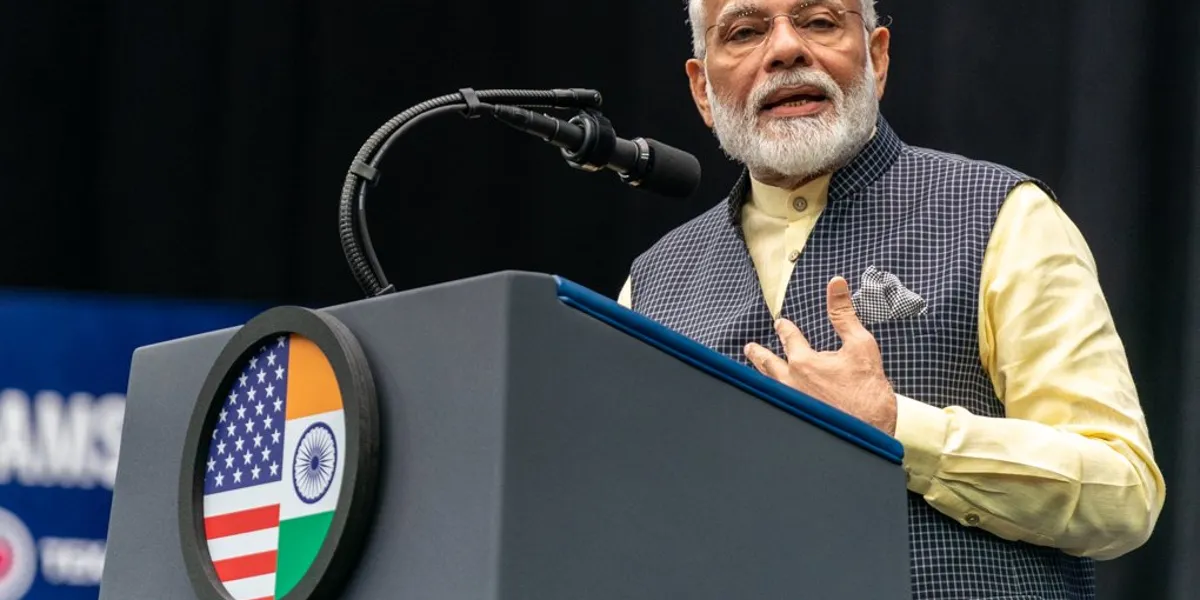
The unfolding situation presents a delicate challenge for India-US relations. While both nations share a robust strategic partnership in areas ranging from defense to technology, the energy sector remains a significant friction point. Analysts suggest that the Indian government is bracing for a period of intensified diplomatic negotiations.
As the global energy landscape remains fractured, New Delhi’s insistence on “buying from various suppliers” signals that it will not easily abandon the benefits of its current trade relationships. For now, the message from the South Block is definitive: while India values its international alliances, its energy strategy is a sovereign matter that will continue to be managed in the best interests of its 1.4 billion citizens.
Disclaimer: This content is auto-generated for informational purposes only.
Source: Read Original News