




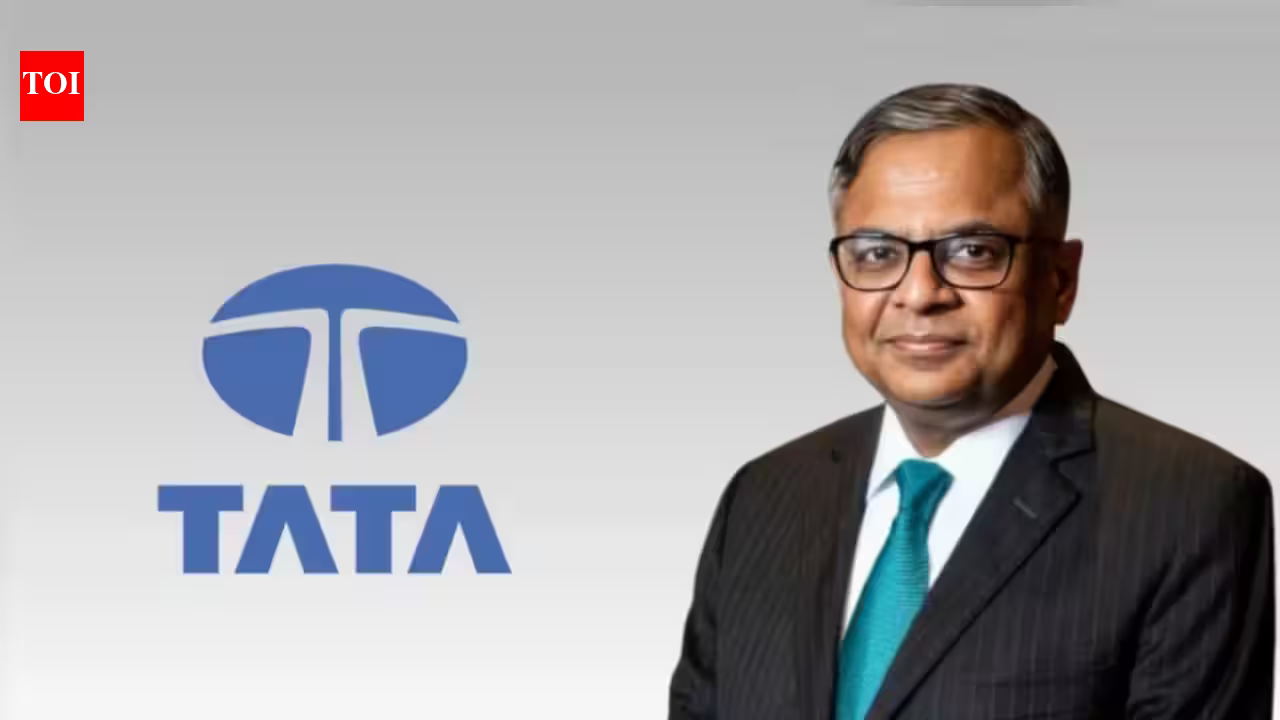
The corporate architecture of the Tata Group, India’s most storied conglomerate, is currently navigating a period of profound internal friction. A burgeoning dispute between the board of Tata Sons and the Tata Trusts—the primary shareholders—has cast a shadow over the leadership continuity of the group and the long-anticipated public listing of its holding company. At the heart of this conflict is the reappointment of N. Chandrasekaran as chairman, a move that the Trusts have publicly denounced as legally invalid, setting the stage for a potential courtroom showdown that could influence the governance standards of India Inc.
The Constitutional Conflict over Leadership
The crisis originated when the Tata Sons board voted to reappoint N. Chandrasekaran for a new five-year term, despite his previous communication in August that he did not intend to seek an extension when his current tenure concludes in February 2027. The Tata Trusts, which hold approximately 66 percent of the equity in Tata Sons, contend that this decision-making process violated the company’s internal governance framework.
According to the Trusts, the Articles of Association of Tata Sons mandate that the appointment or reappointment of a chairman requires the approval of the Trusts’ nominee directors. Noel N. Tata, representing the Trusts on the board, formally voted against the resolution. The Trusts argue that the presence and affirmative vote of both nominee directors are non-negotiable requirements for such a resolution to be considered legally binding. By disregarding the dissent of a nominee director—and allegedly ignoring a legal opinion from former Chief Justice of India, Dr. D.Y. Chandrachud—the board has, in the view of the Trusts, acted in a manner that renders its resolution a legal nullity. This disagreement highlights the complex power dynamics between professional boards and institutional shareholders, particularly when the latter exercise significant oversight through specific constitutional mandates.
Regulatory Pressures and the Listing Imperative
The timing of this board-level disagreement is intrinsically linked to external regulatory developments. The Reserve Bank of India’s (RBI) decision on September 11 to reject Tata Sons’ application to surrender its registration as a Core Investment Company (CIC) has effectively forced the holding company’s hand regarding a public listing. Under the RBI’s “upper layer” NBFC classification, Tata Sons had an obligation to list on public exchanges within a defined three-year window, a deadline that expired in September 2025.
The Tata Sons board viewed the reappointment of Chandrasekaran, even amidst the current controversy, as a strategic necessity to ensure stability as the group prepares for what would be one of the most consequential initial public offerings (IPO) in Indian history. Estimates suggest that a public listing of Tata Sons could value the entity at approximately Rs 20 lakh crore, or $230 billion. With such a massive market event on the horizon, the board members evidently prioritized the continuity of leadership to reassure institutional investors and market stakeholders. However, this focus on market readiness has collided directly with the governance-first approach maintained by the Tata Trusts.
Divergent Visions within the Tata Ecosystem
The conflict reflects a deeper, structural difference of opinion regarding the future of the Tata Group. Noel Tata has reportedly maintained a firm stance against the public listing of Tata Sons, viewing the private structure as vital to the group’s character and its adherence to the philanthropic mission of the Trusts. This position stands in stark contrast to the views of other stakeholders, including the Shapoorji Pallonji Group, which holds an 18 percent stake and has consistently advocated for an IPO to unlock shareholder value.
These divisions are not limited to the board level; they have permeated the Trusts themselves. The refusal of Venu Srinivasan, a joint nominee director, to adhere to the directives of the Sir Dorabji Tata Trust regarding the listing underscores the independence of directors acting in their capacity as fiduciaries. Such friction illustrates the difficulty of managing a conglomerate that balances vast industrial operations, public listing requirements, and deep-rooted philanthropic objectives. The lack of alignment between the Trusts and the Tata Sons board on whether to prioritize stability via a familiar leadership team or to strictly adhere to legacy governance conditions has effectively paralyzed the succession planning process.
Implications for Indian Corporate Governance
This dispute serves as a significant case study for corporate governance in India. The debate centers on whether the board of a company can unilaterally override the objections of its primary shareholders when the company’s own Articles of Association explicitly grant those shareholders a veto over key leadership appointments. By labeling the board’s resolution as “illegal,” the Tata Trusts have escalated the dispute from a boardroom disagreement to a potential legal challenge.
For investors and market participants, the instability is a source of concern. Leadership uncertainty at a company as systemically important as Tata Sons has wider implications for its subsidiaries, ranging from Tata Steel to Air India. The fact that the nomination process for a successor—which had already seen high-profile candidates like Ashish Chauhan and T.V. Narendran discussed—has been derailed, indicates that the path to a smooth transition remains obstructed. The outcome of this dispute will likely influence how other large Indian business groups structure their boards and shareholder agreements, particularly as they move toward generational transitions or large-scale capital market exits.
The Path Toward Resolution
As the situation develops, all eyes are on the upcoming Annual General Meeting (AGM), where these resolutions will face final scrutiny. The board’s determination to push ahead with the listing suggests a confidence that institutional stability is the priority, while the Trusts’ rigid adherence to the legal letter of the Articles of Association emphasizes the sanctity of the company’s foundational rules.
For the Tata Group, the primary challenge remains the reconciliation of two legitimate, yet conflicting, priorities: the need for modern, investor-facing governance to facilitate a historic IPO, and the duty to maintain the historical, philanthropic control structure that has defined the group for decades. Whether the current leadership conflict is resolved through mediation or through the courts, the final resolution will define the organizational identity of the Tata Group for the next decade. For now, the transition process is effectively frozen, leaving shareholders and the market in a state of watchful anticipation regarding how one of India’s most influential corporate entities will navigate its most significant internal test in years.
Disclaimer: This content is auto-generated for informational purposes only.
Source: Read Original News