







NAGOYA, JAPAN — The historic debut of Mixed Martial Arts at the Aichi-Nagoya 2026 Asian Games was supposed to be a watershed moment for the sport. Instead, the narrative surrounding the Games has been hijacked by a logistical catastrophe that has left world-class athletes, including Indian MMA fighter Varun Sanyal, stranded, hungry, and—in some cases—sharing beds with strangers.
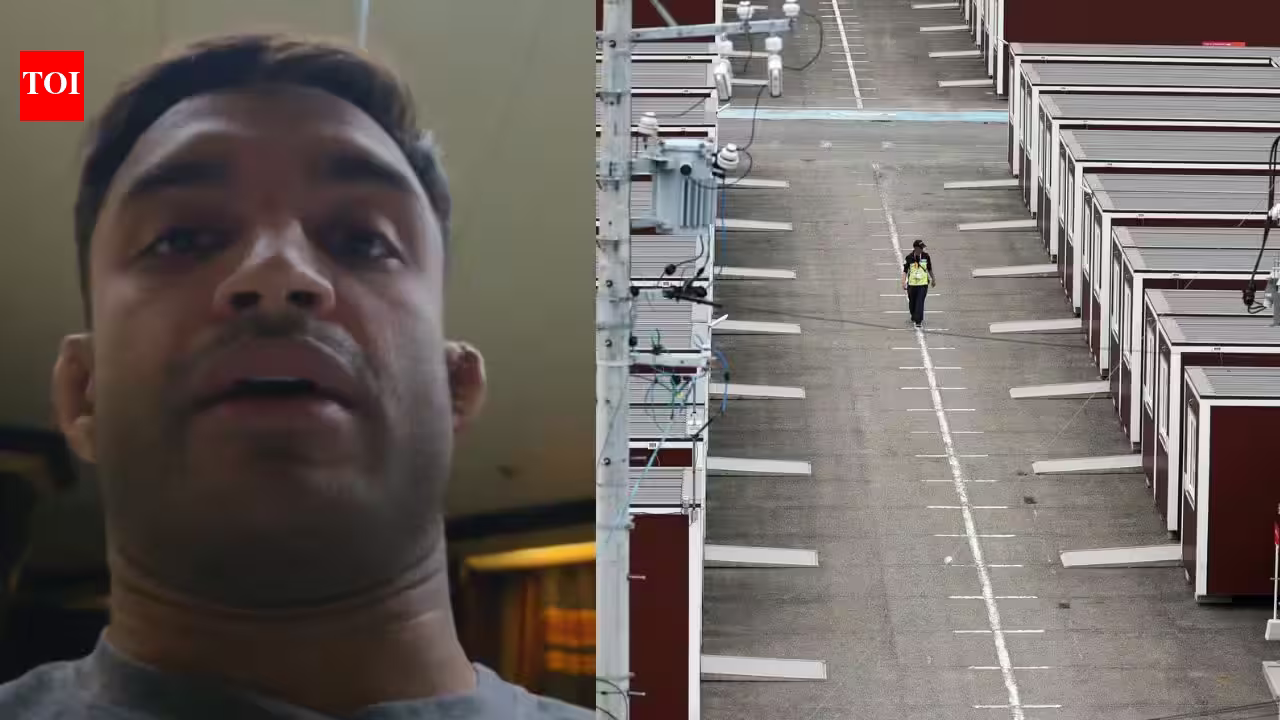
Sanyal, a celebrated bronze medallist at the 2026 Asian Championships, recently provided a harrowing, albeit short-lived, window into the administrative chaos plaguing the host city. In a now-deleted seven-minute social media video, the fighter detailed a grueling arrival process that saw him sidelined as a “ghost in the system,” highlighting a systemic failure that experts warn could cast a long shadow over the remainder of the competition.
From Elite Athlete to “Ghost in the System”
Sanyal’s journey to Nagoya began with the standard expectations of an elite athlete: a long-haul flight from London via Mumbai and Singapore, followed by a professional reception at the games’ hub. Those expectations were shattered upon arrival.
“I go to the counter… and they just cannot find my name anywhere in the system,” Sanyal recounted in his post. “Like, I’m a total ghost in their system.”
Despite holding official accreditation—an ID card that functions as both credential and visa—the fighter spent three hours in a state of limbo. According to Sanyal, the experience was characterized by a lack of basic human necessities. While water was provided, food was non-existent. For an athlete, particularly one in a weight-class sport like MMA, the inability to source proper nutrition during travel is a significant health concern.
The situation was far from isolated. During his three-hour ordeal, Sanyal encountered athletes from Tajikistan and Sri Lanka enduring the same bureaucratic black hole. “Everyone is facing a similar issue,” he noted. “So this has gone, this has become widespread.”
The “Rooming” Crisis: Triple Occupancy and Shared Quarters
The absurdity of the accommodation crisis reached its peak once Sanyal was finally “checked in” to the Costa Serena, a cruise ship repurposed as an athletes’ village. Exhausted, Sanyal managed to secure a room and settle in, only to be jolted awake minutes later by an surreal scene.
“I just see two Indian athletes standing right above me, looking as confused as I was,” Sanyal explained. It emerged that the room had been double-booked by the system, leaving the three athletes to navigate an awkward and cramped reality. The incident is not an outlier; reports have surfaced of Japanese local athletes facing even more alarming scenarios, including the mistaken assignment of mixed-gender shared rooms.
These incidents have underscored a severe lack of oversight by the Aichi-Nagoya organizing committee, which is now grappling with the consequences of an underestimated turnout.
A Games Overwhelmed by Numbers
The root of the chaos appears to be a stark discrepancy between projected and actual attendance. Organizers initially prepared for 15,000 athletes and officials, a figure they deemed manageable. However, the final tally has surged past 17,000.
In a move to cut costs, the committee opted against constructing a dedicated, centralized athletes’ village. Instead, they relied on a disparate mix of hotels, cruise ships, and temporary structures—including wooden cabins and shipping container-style units. Faced with a surge of 2,000 additional attendees, the infrastructure has buckled under the weight of the demand.
The fallout has been swift and international. The South Korean Olympic committee has publicly cited a “serious shortage of accommodation,” while officials representing the Philippines were forced to pivot to third-party rental platforms like Airbnb just to secure beds for their delegation.
Official Response and Mounting Pressure
In a joint statement, the Olympic Council of Asia and the local organizers attempted to soothe the growing unrest, promising that all athletes registered before the July deadline would be provided with “Games-appropriate accommodation.”
However, for athletes like Sanyal, the apology rings hollow. The fighter noted that had this level of disarray occurred in India, the media backlash would have been unrelenting. As the Games move into full swing, the focus for many national delegations has shifted from gold medals to basic infrastructure.
As the spotlight remains fixed on Aichi-Nagoya, the question remains: Can the organizers rectify these systemic failures before the competitive schedule is further compromised? For now, the spirit of the Games is being tested not by the quality of the competition, but by the efficiency of the check-in desk. With thousands of athletes still navigating the “chaos,” the 2026 Asian Games may be remembered less for the athletes’ performances and more for the night the system went entirely dark.
Disclaimer: This content is auto-generated for informational purposes only.
Source: Read Original News