








India Unveils Ambitious ‘Semicon 2.0’ Roadmap to Become Global Chip Powerhouse
NEW DELHI – In a significant move to cement the nation’s status as a burgeoning global technology hub, the Indian government has officially launched ‘Semicon 2.0.’ The ambitious second phase of the country’s semiconductor mission seeks to scale up domestic chip capabilities, targeting the cultivation of 200 specialized design startups and the training of one lakh technical professionals.
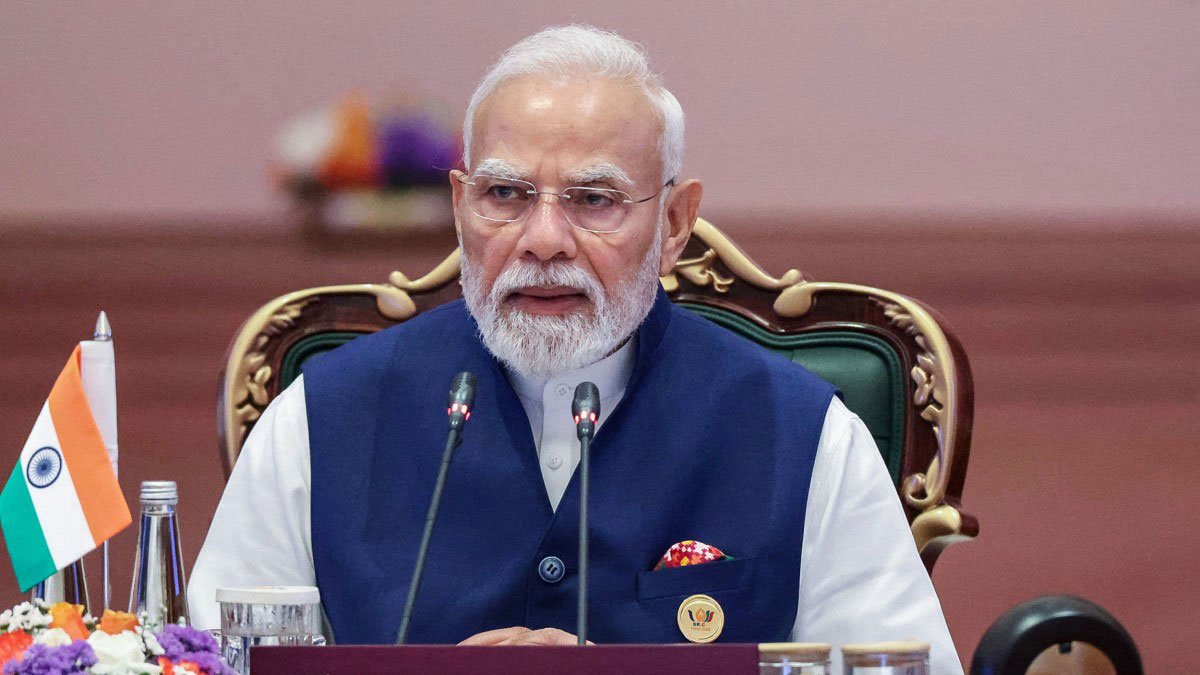
Prime Minister Narendra Modi inaugurated the fifth edition of the SEMICON India convention at Yashobhoomi in New Delhi on Thursday. Emphasizing the government’s resolve to make India a primary source for the global semiconductor supply chain, the Prime Minister declared, “India’s chips will go out to the world.”
A Multi-Faceted Strategy for Growth
Union Electronics and Information Technology Minister Ashwini Vaishnaw detailed the expansive scope of the new policy, which focuses on six core pillars: chip design, manufacturing machinery and materials, fabrication, advanced packaging, applied research and development, and talent acquisition.
The government aims to build on the momentum generated by the first phase of the program, which saw 105 startups enter the ecosystem, with 20 companies successfully raising nearly Rs 800 crore in venture capital. Semicon 2.0 intends to double down on this progress by expanding the support network for design-centric enterprises across various semiconductor applications.
Addressing the Talent Gap
A cornerstone of the next phase is the aggressive expansion of India’s semiconductor workforce. While the first phase focused heavily on training 70,000 design engineers—a goal met well ahead of the original ten-year schedule—Semicon 2.0 shifts its attention to the factory floor.
“In Semicon 2.0, we will take a big task of developing technician talent, the clean room talent, and the factory floor talent,” Minister Vaishnaw noted. The initiative targets the development of one lakh skilled technicians. This workforce is intended not only to staff the burgeoning number of domestic semiconductor plants but also to serve as a vital talent pool for international chip manufacturers.
Strategic R&D and Industrial Synergy
Under the new framework, the government is prioritizing applied research and development. Unlike traditional academic research, this model will be industry-led, ensuring that collaborations between private enterprises and universities are directly aligned with immediate commercial and technical requirements.
Minister Vaishnaw highlighted that the program is already yielding tangible results, with three manufacturing units approved under the first phase having already commenced commercial production. With a total of 12 approved projects currently in the pipeline—including a cutting-edge 3D packaging facility in Odisha—the infrastructure for a robust domestic ecosystem is rapidly taking shape.
Economic Momentum and Global Trust
Prime Minister Modi contextualized the semiconductor push within the broader narrative of India’s economic ascent. Linking the growth of the chip industry to improvements in logistics, such as the operationalization of 3,000 km of dedicated freight corridors, the Prime Minister argued that India’s manufacturing prowess is receiving a massive boost.
Citing a strong 7.8% quarterly GDP growth rate and recent positive sovereign rating upgrades, PM Modi suggested that international confidence in the Indian economy is at an all-time high.
The three-day event, organized by the India Semiconductor Mission and the industry body SEMI, continues through September 19. Under the theme “Silicon to Systems: Building the Ecosystem,” the convention serves as a global stage for India to demonstrate that it is moving beyond mere assembly, aiming instead to master the entire value chain from silicon design to complex end-user systems.
Disclaimer: This content is auto-generated for informational purposes only.
Source: Read Original News