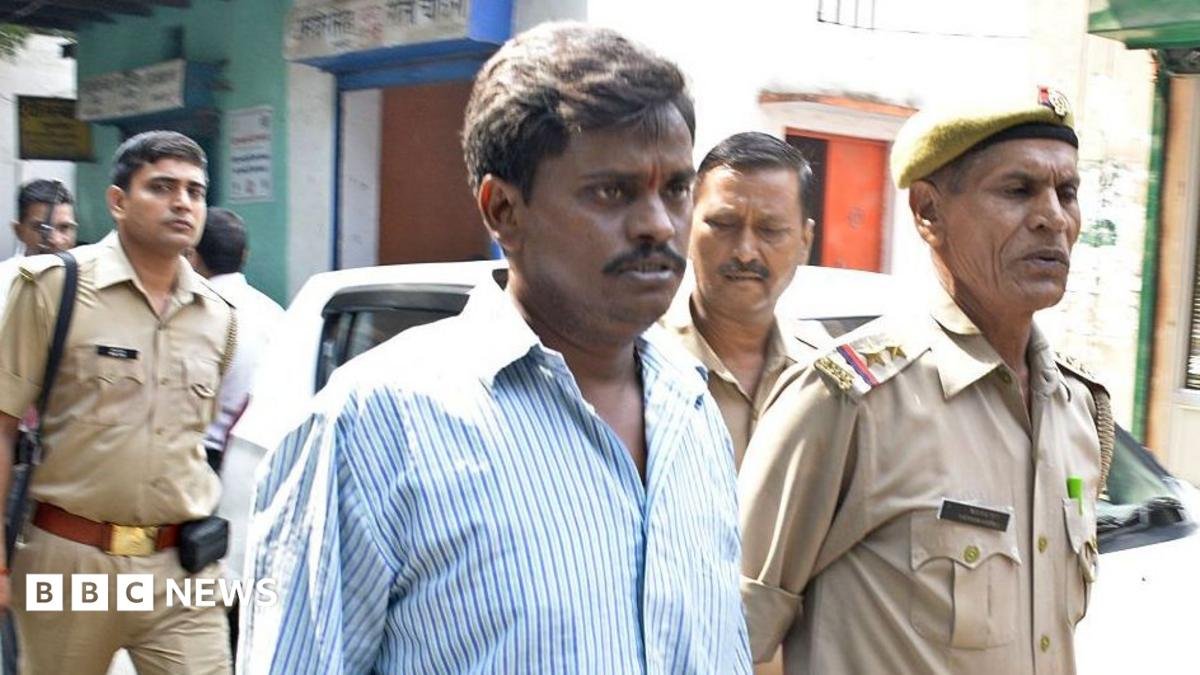









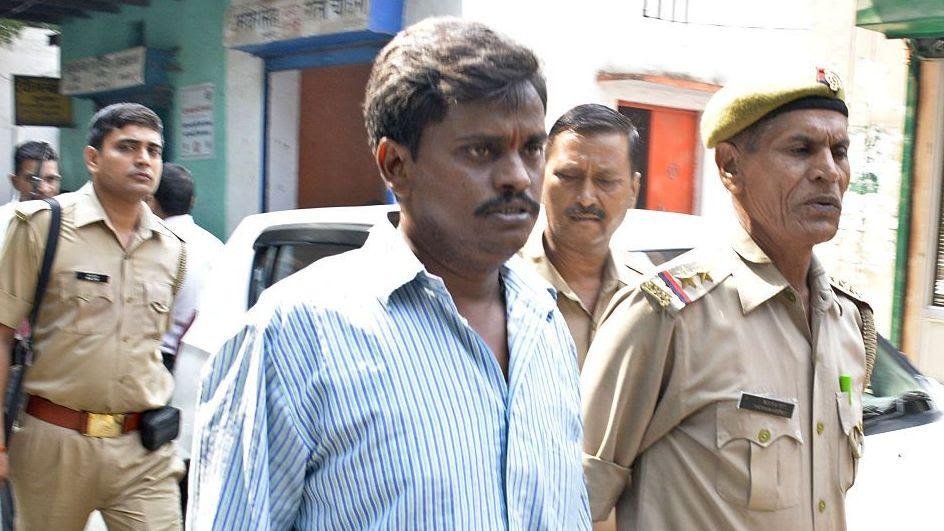
Surinder Koli, Figure in Notorious Nithari Case, Found Dead in Haridwar
Surinder Koli, the man at the center of one of India’s most harrowing criminal investigations, has died. Koli, 50, was discovered hanging inside a tea stall he operated in Haridwar, Uttarakhand, on Friday morning. His death comes only months after he secured his freedom following nearly two decades behind bars.
Local authorities have recovered the body and initiated a formal investigation into the circumstances surrounding his death. According to police reports cited by media outlets, no suicide note was discovered at the scene.
A Legacy of Horror
Koli’s name became synonymous with the “Nithari killings,” a gruesome discovery that rattled the nation in 2006. The investigation began when human remains were unearthed from the backyard of a bungalow in Nithari, an area on the periphery of the capital, New Delhi. Over time, investigators recovered the remains of 19 victims, most of whom were women and children from impoverished migrant families living in the vicinity.
The discovery prompted widespread national outcry, exacerbated by allegations that local law enforcement had turned a blind eye to numerous missing-person reports filed by the victims’ families over the years. Koli, who worked as a domestic help, and his employer, businessman Moninder Singh Pandher, were arrested shortly after the site was excavated.
The Central Bureau of Investigation (CBI) subsequently filed 19 individual cases against the pair, alleging crimes ranging from kidnapping and rape to murder and the destruction of evidence.
The Long Path to Acquittal
The legal odyssey of the Nithari case spanned nearly two decades, marked by complex judicial proceedings and significant reversals. In 2023, the Allahabad High Court provided a turning point in the case, acquitting Koli in 12 separate matters due to a lack of evidence. Moninder Singh Pandher was also acquitted in two cases, leading to his release.
Koli’s final hurdle was cleared in November 2024, when the Supreme Court of India acquitted him in the last remaining case against him. The apex court determined that the confessions previously attributed to Koli—which had included disturbing claims of necrophilia and cannibalism—had been obtained through torture and were therefore inadmissible.
Following his acquittal and subsequent release in early 2025, Koli had attempted to build a quiet, anonymous life in Haridwar, where he had been managing a rented tea shop.
Unanswered Questions
The sudden end to Koli’s life has reignited public discourse regarding the Nithari case, a tragedy that exposed deep fissures in India’s social fabric and raised serious questions about police accountability. As the Haridwar police continue their probe, the death marks a somber conclusion to a saga that remained in the public consciousness for nearly 20 years.
Authorities have yet to issue a definitive statement regarding the motive, as the investigation remains in its early stages. For now, the small tea stall in Haridwar stands as the final site in a life defined by one of the most controversial legal battles in modern Indian history.
Disclaimer: This content is auto-generated for informational purposes only.
Source: Read Original News