








NEW DELHI — In a move highlighting the growing logistical complexities and the escalating stature of cricket within the multi-sport continental spectacle, the Board of Control for Cricket in India (BCCI) has confirmed that it will bypass the standard Asian Games housing protocols for its men’s cricket squad. As the Indian delegation prepares for the upcoming tournament in Japan, the board has opted for independent accommodation, citing the need for cohesion and the logistical demands of an expanded support staff.
The decision arrives amidst a backdrop of brewing anxiety regarding infrastructure at the Games, with reports filtering in from various national sports boards expressing concerns over the quality of pitch conditions and on-ground facilities. However, the BCCI remains publicly optimistic, projecting a stance of professional confidence in the local organizing committee’s ability to deliver a world-class sporting environment.
Logistics and the “Big Team” Mandate
The discrepancy in living arrangements between the men’s and women’s teams is rooted firmly in size and scope. According to BCCI secretary Devajit Saikia, the men’s contingent has significantly exceeded the standard quota typically allocated for athletes by the Asian Games organizing committee.
“BCCI has arranged its own accommodation for the men’s team since the contingent is much bigger than the permissible number of members because of the size of the support staff,” Saikia explained. “We don’t want to segregate the men’s team during the tournament, and keeping the squad unified under one roof is a priority for their performance and morale.”
Conversely, the women’s team will reside within the official Games Village facilities. The board confirmed that because the women’s contingent fits neatly within the permissible limit of 20 members, they will integrate seamlessly into the standard athlete housing, which has been provided by the tournament organizers.
Despite rumblings from other cricket boards regarding the state of the match venues, Saikia moved to dampen any talk of a facility crisis. “We fully trust the organizing committee to give the best facilities. This is a big event, and I am sure they will do what is required,” he noted, adding that he plans to arrive in Japan on October 1 to personally inspect the venues and ensure everything is up to the stringent standards required for international cricket.
Prioritizing the Gold
The narrative surrounding India’s participation in the Asian Games has shifted dramatically. While the previous iteration of the games saw a second-string Indian side take the field as the board prioritized the ODI World Cup, the current strategy reflects a fundamental change in philosophy. The BCCI is no longer treating the continental event as a secondary assignment; it is being treated as a marquee championship.
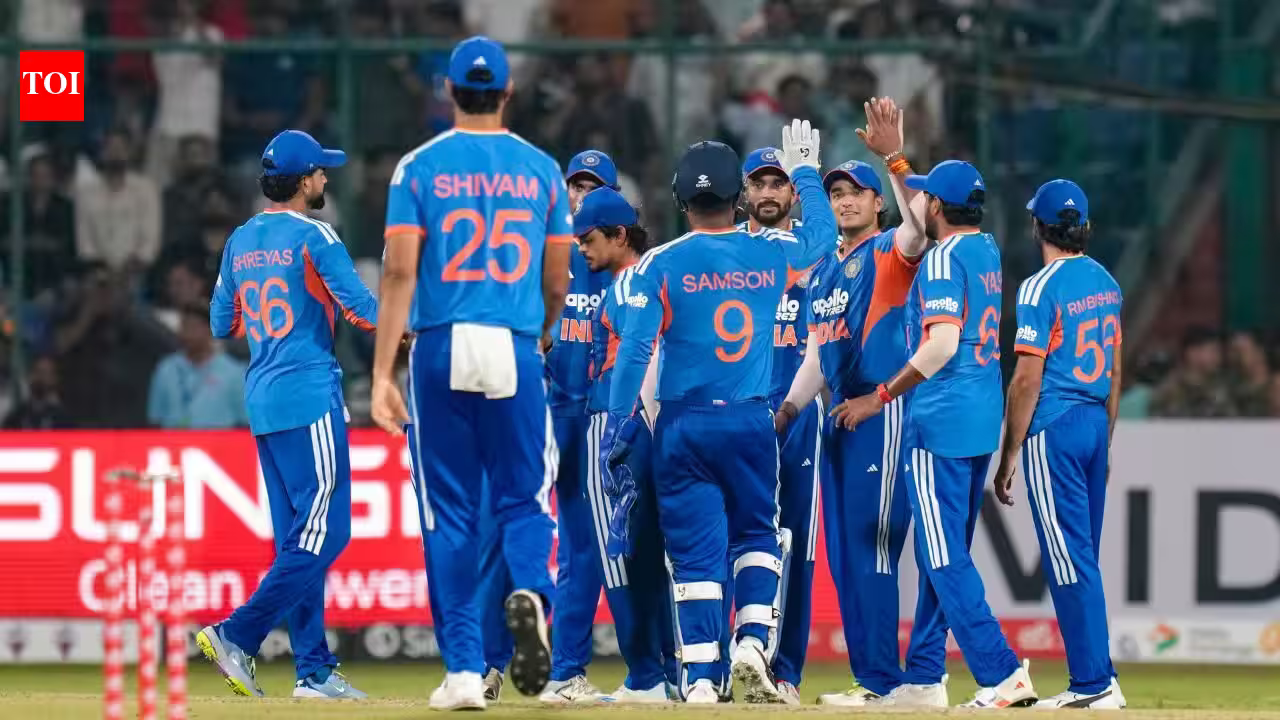
The board has confirmed that a full-strength side, headlined by stars such as Jasprit Bumrah and regular captain Shreyas Iyer, will represent the nation in Japan. For the BCCI, the drive for an Asian Games gold medal is now as critical as winning any other high-profile tournament on the international calendar.
“We are eyeing a gold medal, which is very important,” Saikia stated. “We all know India can field three strong teams at a time, but we see the Asian Games as a vital assignment that cannot be given secondary treatment. An Asian Games gold is as important as any other big tournament.”
This aggressive approach underscores the board’s depth and its desire to assert dominance across all facets of the game. Critics have previously questioned the wisdom of fielding first-choice players during a period that often overlaps with intensive bilateral commitments or World Cup preparations, but the BCCI’s current leadership is firm in its belief that global prestige, regardless of the format or the competition, is non-negotiable.
Expanding the Global Footprint
Beyond the pursuit of medals, the BCCI is also leveraging the Asian Games window to bolster its diplomatic and developmental influence. In a symbolic gesture to celebrate 75 years of bilateral relations between India and Japan, the board has announced a standalone T20I match between the two nations, scheduled for September 22.
The initiative, according to Saikia, was driven by the vision of ICC Chairman Jay Shah. “It’s the initiative of ICC Chairman Jay Shah, who wants to take cricket to every nook and corner of the world,” Saikia revealed. “He made me sit with my Japanese counterpart during the last ICC meet in Edinburgh in July this year. Japan is a country where cricket is growing gradually. Mr. Shah took this initiative, and we fully embraced the idea of fostering deeper ties through the game.”
As the squad prepares to depart, the dual focus on logistical autonomy and sporting excellence suggests a new era for Indian cricket at the Asian Games—one that refuses to compromise on quality, even at the cost of working outside the traditional boundaries of the Olympic-style village environment. Whether this calculated investment of talent and resources will result in a gold medal remains the question, but for the BCCI, the path forward is clear: cricket in Asia is on the rise, and India intends to lead the charge.
Disclaimer: This content is auto-generated for informational purposes only.
Source: Read Original News