





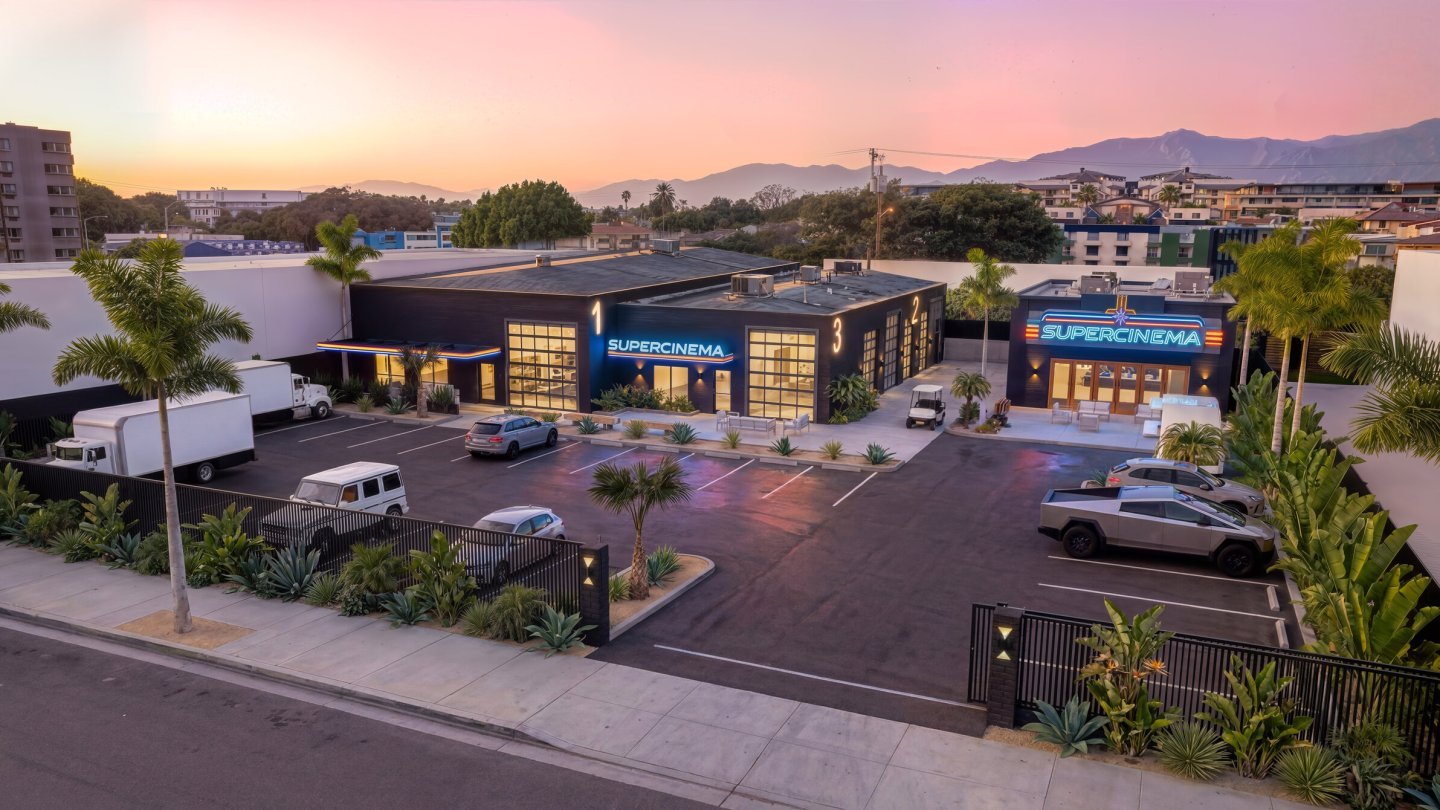
Despite the widespread turbulence currently roiling the Hollywood production landscape, a new player is betting big on the future of physical studio infrastructure. In a rare move for a market currently grappling with rising vacancy rates and industry-wide retrenchment, a team of marketing and social media content veterans is launching a new independent film banner, SuperCinema, and breaking ground on a dedicated 30,000-square-foot production campus in Burbank, California.
The project, spearheaded by Michael Burke, Rachel Williams, Justin Younesi, and Michael Younesi, occupies a former industrial site at 625-633 Glenwood Avenue. Known locally as “Audio Alley” due to its dense concentration of professional audio facilities, the location is being transformed into a modern studio campus designed by NG+P Architects, featuring three soundstages and integrated post-production facilities.
Betting on the Post-Creator Economy Shift
The timing of this investment might seem counterintuitive. Major studio operators across Los Angeles are currently trimming their footprints as production schedules remain uncertain. However, the founders of SuperCinema view this era of contraction as a period of transition, drawing parallels to the early 2010s. During that era, traditional advertising agencies were pulling back, creating a vacuum that was eventually filled by the explosive growth of the creator economy.
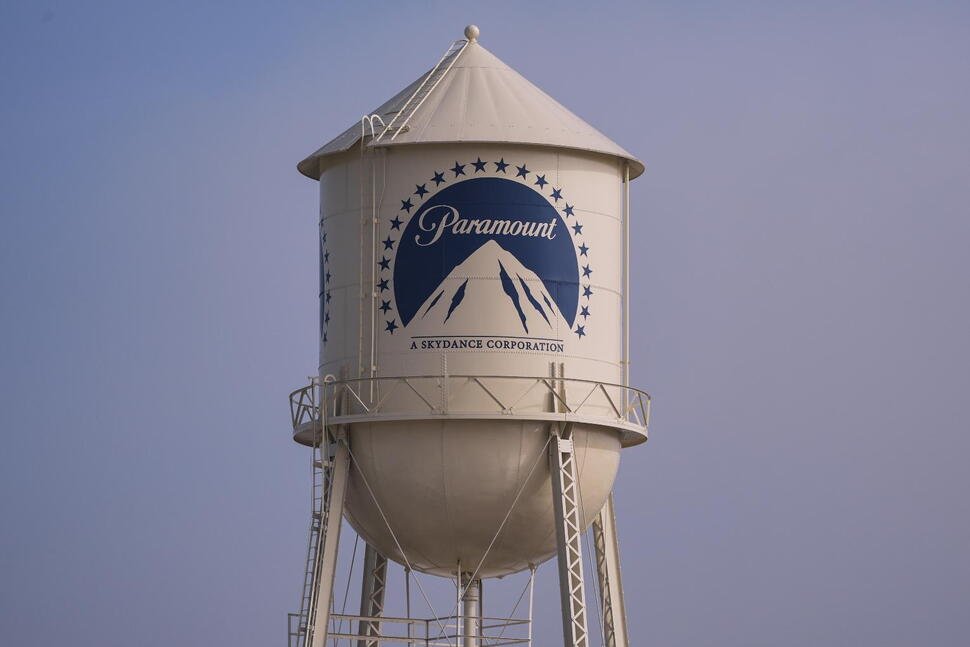
The team behind SuperCinema brings significant experience from this shift, having previously built “Concrete,” a cinematic content studio specialized in social advertising. Their agency has already secured a portfolio of high-profile clients, including Disney, Netflix, NBCUniversal, and Paramount. By integrating the operations of both Concrete and SuperCinema onto a single campus, the group aims to bridge the gap between high-end social media marketing and independent feature filmmaking.
The Role of Emerging Tech and Modern Production
While the physical campus focuses on traditional soundstages, the underlying business strategy is deeply rooted in the tech-forward, agile production models popularized by digital-first creators. Much like the tech industry’s push toward AI-driven efficiency and cloud-based collaboration, the SuperCinema team is leaning into a model that prioritizes lean, high-velocity content production.
The team argues that the traditional studio system has become too rigid. By operating an independent facility in the heart of Burbank, they intend to capitalize on the increasing demand for “branded entertainment”—a hybrid format where the lines between commercial advertising and narrative filmmaking blur. This approach aligns with broader trends in the tech sector, where companies are increasingly using proprietary content studios to bypass traditional distribution hurdles and engage audiences directly through social algorithms and digital platforms.
Revitalizing the Burbank Media District
The project has garnered significant support from local government, with Burbank officials viewing the development as a strategic win for the city’s economic vitality. Mayor Tamala Takahashi has publicly championed the project, citing the campus as a necessary injection of energy into the community. The city has reportedly assisted the development team in navigating regulatory hurdles to accelerate the construction timeline.
Financed through a combination of private investment and City National Bank, the construction is slated for completion by early 2027. The site, which was previously intended for a music studio that failed to launch, will now serve as a hub for both the Concrete agency and the new SuperCinema film banner.
The studio is already filling its production pipeline with indie projects, including Loose Ends, produced by LB Entertainment and Zero Gravity Management, and The Backlot, a supernatural film produced by Range Media and Artists for Artists. As the industry recalibrates, the success of this Burbank campus may serve as a bellwether for whether the future of Hollywood lies in massive, consolidated studio lots or in smaller, tech-enabled hubs that cater to the evolving demands of the digital media landscape.
Disclaimer: This content is auto-generated for informational purposes only.
Source: Read Original News