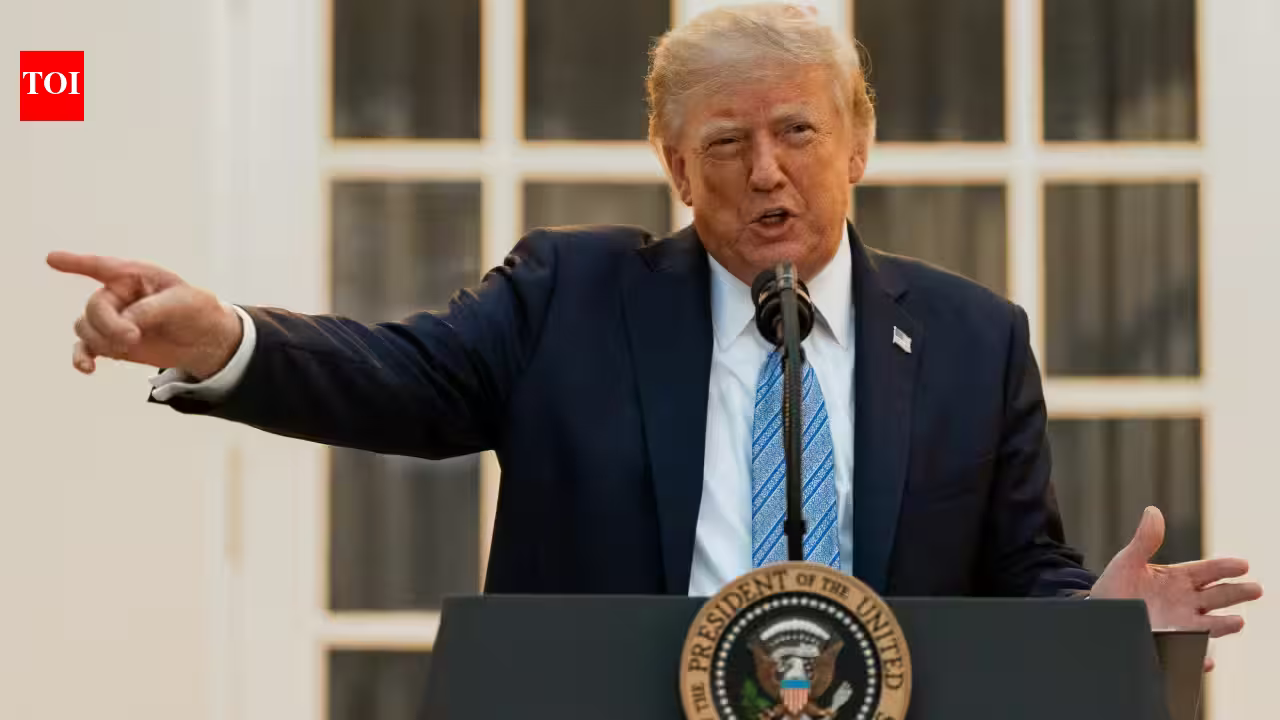








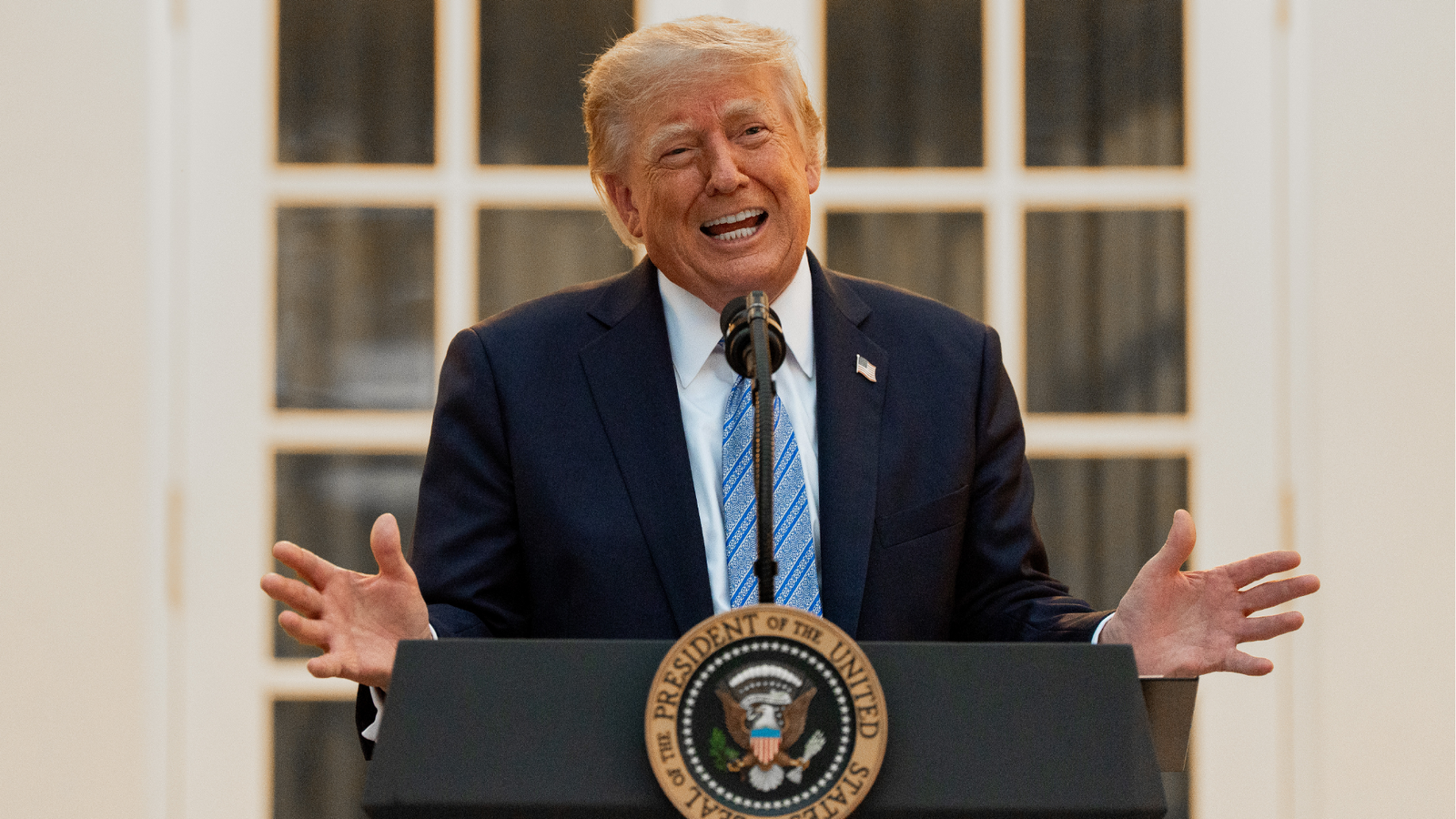
WASHINGTON — President Donald Trump is set to announce on Friday that all 50 states will participate in a new initiative aimed at curbing prescription drug costs within the Medicaid program. The plan, titled the Medicaid “GENEROUS” model, seeks to implement “Most Favored Nation” pricing for select medications, effectively pegging the cost of these drugs to lower prices paid by other affluent nations.
The administration has positioned the move as a cornerstone of its efforts to tackle inflation and cost-of-living concerns ahead of the upcoming November midterm elections. By securing deals with pharmaceutical companies, the White House intends to ensure that Americans are no longer paying significantly higher prices for essential medications than those charged in international markets.
According to White House estimates released in May, these new pricing agreements could yield savings of approximately $529 billion over the next decade. While Medicaid patients—who currently pay only nominal co-payments—may not see immediate changes in their out-of-pocket costs at the pharmacy counter, the policy is designed to provide substantial relief to state and federal budgets that fund the program.
However, the ambitious initiative is already facing scrutiny from healthcare experts and policy analysts. Despite the projected multi-billion-dollar savings, the administration has kept the specifics of the pharmaceutical deals largely under wraps. This lack of transparency has made it nearly impossible for independent organizations to verify the government’s fiscal claims.
Kathy Hempstead, a senior policy advisor at the Robert Wood Johnson Foundation, expressed skepticism regarding the administration’s push for Congress to codify these arrangements. “He is saying Congress should codify all of his MFN arrangements,” Hempstead said. “But it’s kind of unreasonable because it’s not clear what Congress would actually do. No one knows what is in these deals.”
Beyond the transparency concerns, experts have raised questions about the long-term viability of the program. Because these pricing structures are tied to administrative deals, there is significant uncertainty regarding whether these discounts will remain in place once the current administration leaves office.
While the administration touts the announcement as a victory for taxpayers, some critics argue the plan is too narrow in scope. JD Hayworth, a former Republican congressman and spokesperson for the Pharmaceutical Reform Alliance, acknowledged that the program represents “meaningful progress” but argued it remains incomplete. Hayworth noted that millions of Americans who are not enrolled in government-subsidized healthcare—and who lack the protections offered by Medicaid or Medicare—continue to grapple with high drug costs that fluctuate based on insurance coverage and market competition.
As the White House prepares to roll out the program, the focus remains on whether the administration can provide the granular data necessary to convince lawmakers and the public that the “GENEROUS” model will deliver the promised economic relief.
Disclaimer: This content is auto-generated for informational purposes only.
Source: Read Original News