








CITI Sounds Alarm as US Trade Policy Threatens Indian Textile Exports
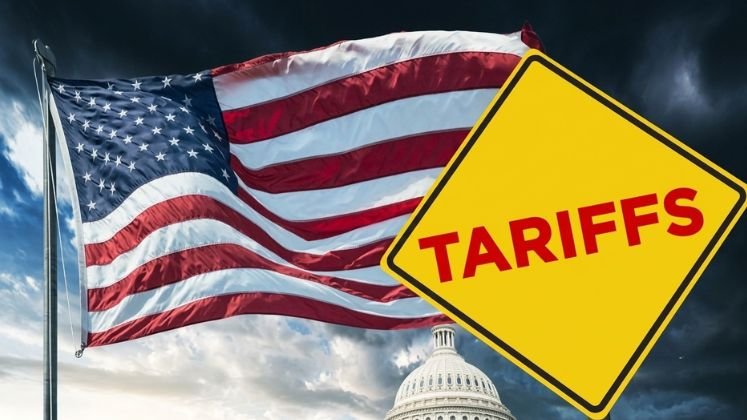
The Confederation of Indian Textile Industry (CITI) has issued an urgent call for government intervention following the US President’s signing of the Lindsey O. Graham Sanctioning Russia and Iran Act of 2026. The trade body warns that potential tariff hikes emerging from this new legislation could deliver a devastating blow to India’s textile and apparel sector, which relies heavily on the American market for its export revenue.
A Precarious Position for MSMEs
The Indian textile landscape is predominantly composed of Micro, Small, and Medium Enterprises (MSMEs). These businesses operate on thin margins and possess limited financial buffers to absorb additional costs. Industry leaders fear that if new trade barriers are enacted under the auspices of the 2026 Act, the resulting price hikes will render Indian goods uncompetitive against global rivals.
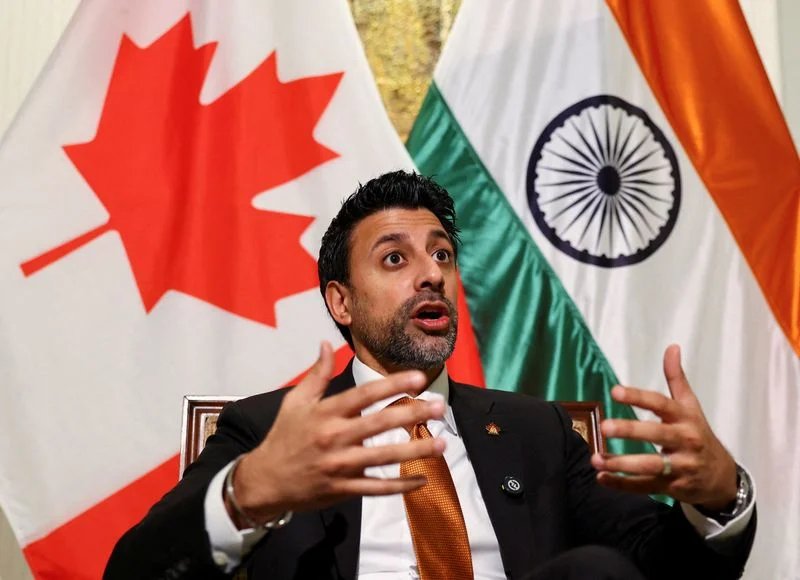
CITI Chairman Ashwin Chandran expressed deep concern regarding the timing of this development. “Our industry is already navigating a period of significant volatility, exacerbated by the ongoing geopolitical turmoil in West Asia. The imposition of further tariffs would be extremely difficult for our MSME-dominated sector to absorb,” Chandran stated. He emphasized that the United States remains India’s primary export destination by a substantial margin, making any disruption in this trade corridor a critical threat to national manufacturing growth.
The Push for a Bilateral Trade Agreement
To mitigate the risks posed by the current US legislative shift, CITI is intensifying its advocacy for a formalized Bilateral Trade Agreement (BTA). While New Delhi and Washington have been in discussions for some time, the industry body believes the urgency of the situation necessitates a faster, more strategic approach to trade diplomacy.
“We look to the Government of India to engage deeply with the US administration to ensure that our exporters are not unfairly disadvantaged,” Chandran added. He noted that a robust trade pact is essential to maintaining the competitive edge of Indian manufacturers within the world’s largest economy.
Diversification vs. Market Reality
While India has recently expanded its global footprint through new trade deals—such as the India-UK Comprehensive Economic and Trade Agreement (CETA) that commenced in July 2026, and the upcoming India-EU FTA—CITI maintains that these markets are not immediate substitutes for the scale of the US.
According to the industry body, while these FTAs offer immense long-term potential, the benefits are not instantaneous. The transition to new markets involves complex logistical and regulatory hurdles that will take considerable time to materialize. Consequently, securing the existing trade relationship with the United States remains the immediate priority for the health of the industry.
Export Performance Trends
Recent data highlights the sector’s current instability. While India’s total textile and apparel exports saw a modest 6.39% year-on-year increase in August 2026, this growth is unevenly distributed. Specifically, while pure textile exports grew by 13.03%, apparel exports suffered a 2.74% decline. The cumulative outlook for April through August 2026 remains stagnant, with an overall contraction of 0.24%.
Despite these fluctuations, CITI remains optimistic that if the diplomatic path leads to stronger trade ties, the result could be a win-win for both nations. By fostering deeper technology partnerships and securing supply-chain resilience, India and the US could solidify long-term competitiveness, provided that trade policies remain favorable for the industry’s vital MSME backbone.
Disclaimer: This content is auto-generated for informational purposes only.
Source: Read Original News