





Canada Eyeing Year-End Deadline for Landmark Trade Deal with India
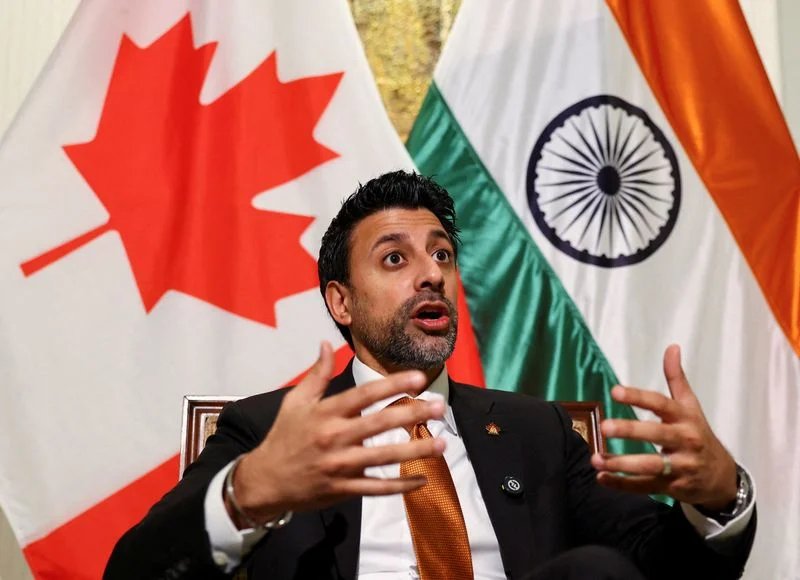
Canada’s government has signaled a significant push to finalize a comprehensive trade agreement with India before the end of the year, underscoring a deepening economic relationship between the two nations. Mary Ng, Canada’s Minister of International Trade, Export Promotion, Small Business and Economic Development, expressed renewed confidence in the progress of negotiations, suggesting that both sides are prioritizing an “Early Progress Trade Agreement” (EPTA) as a vital stepping stone toward a full-scale Comprehensive Economic Partnership Agreement (CEPA).
This optimistic outlook comes after months of high-level diplomatic and trade discussions aimed at removing long-standing barriers and unlocking the untapped potential of the bilateral market. As India continues to cement its position as a global economic powerhouse, Canada is keen to secure preferential access for its businesses, particularly in sectors such as agriculture, clean technology, and infrastructure.
Strengthening Economic Ties in a Shifting Global Landscape
The push for a trade pact is viewed by analysts as a strategic move to diversify Canada’s export markets and reduce reliance on traditional trading partners. For India, the partnership represents an opportunity to attract greater Canadian investment, particularly in manufacturing and energy services, while gaining better market access for its textiles, pharmaceuticals, and agricultural exports.
Minister Ng’s recent comments highlight the synergy between the two democracies, which are increasingly looking to one another to build more resilient supply chains. The ongoing negotiations are expected to address critical issues including market access, investment protection, and the mobility of professionals, creating a framework that encourages sustained bilateral growth.
Addressing Complexity in Trade Negotiations
Despite the optimism, the path to a finalized deal remains complex. Both countries have historically maintained protective policies in sectors like dairy and pharmaceuticals, which have proved to be sticking points in previous rounds of talks. However, the current momentum suggests a high degree of political will on both sides to navigate these sensitivities through compromise and structured phasing.
Trade experts note that concluding an agreement by year-end would mark a major victory for the Trudeau administration, particularly as it seeks to strengthen its “Indo-Pacific Strategy.” By formalizing economic ties with India—the world’s most populous nation—Canada aims to position itself as a key partner in the region’s rapid development.
The Road Ahead
As the deadline approaches, official delegations are expected to ramp up the frequency of their engagements. The focus remains on bridging the gap between various regulatory standards and ensuring that the final agreement provides meaningful benefits for small and medium-sized enterprises (SMEs) in both countries.
Beyond the immediate economic gains, the successful conclusion of these talks would solidify the strategic partnership between Ottawa and New Delhi. It would provide a robust platform for future collaboration in emerging technologies and global climate action initiatives. With the political mandate for a deal clearly defined, the coming months will be crucial in determining whether the two nations can cross the finish line and usher in a new era of commercial cooperation that could reshape trade corridors for years to come.
Disclaimer: This content is auto-generated for informational purposes only.
Source: Read Original News