







Uttarakhand’s Glaciers Face Existential Threat as Melting Rates Accelerate
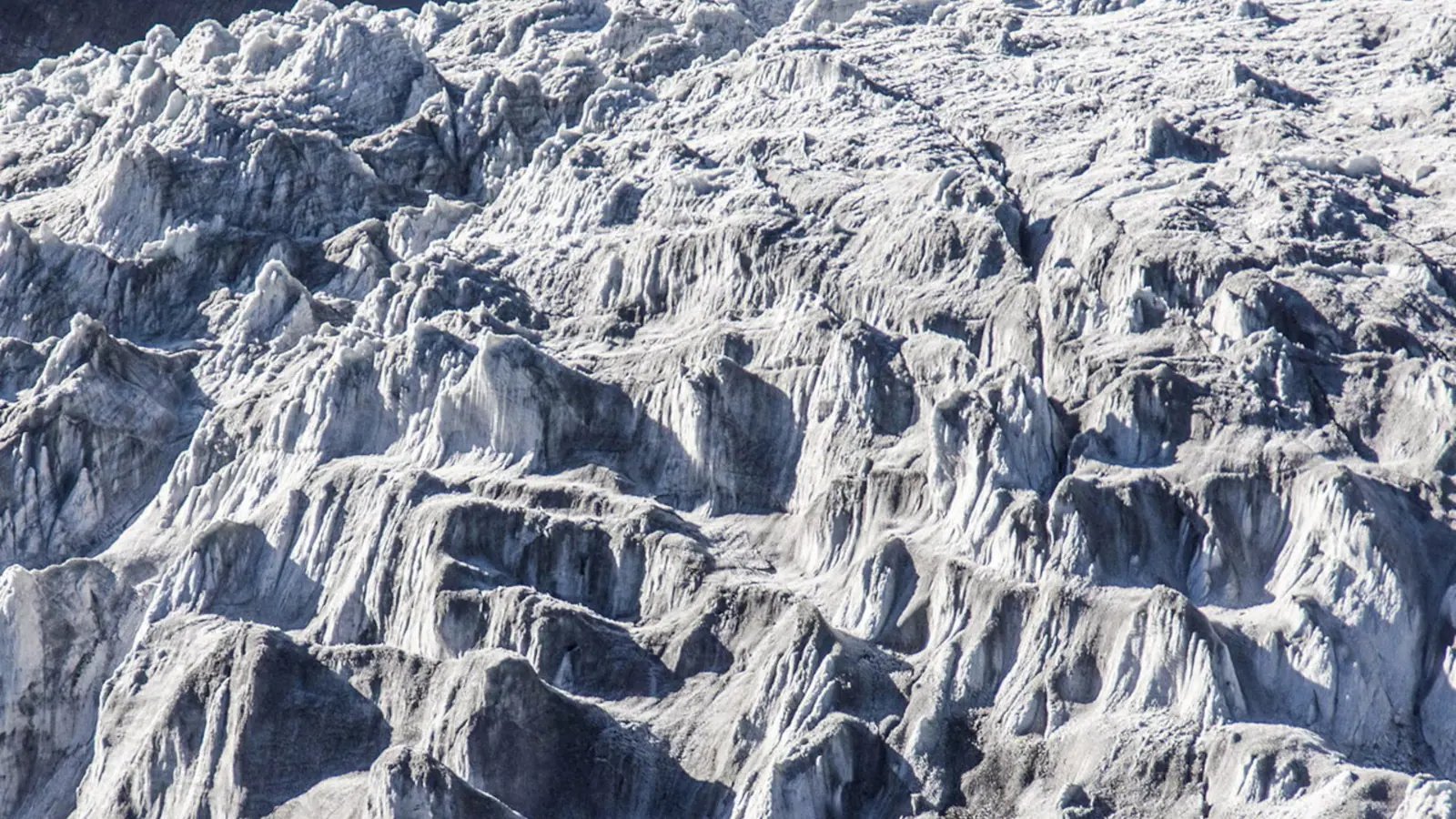
Dehradun: The majestic Himalayan glaciers that act as the lifeblood for millions across India and its neighbouring countries are under severe strain. A recent, comprehensive study conducted by scientists at the Wadia Institute of Himalayan Geology has revealed that 23 major glaciers in Uttarakhand are retreating at an alarming pace, driven by a lethal combination of global climate change and local geographical vulnerabilities.
The research, published in the journal Discover Geoscience by experts Jyoti Kumari, Girish Chandra Kothiyari, Atul Kumar Patidar, and Manish Mehta, highlights a critical shift in the Himalayan landscape. Their findings come at a time of heightened regional concern, following the recent devastating floods in Nepal that claimed over 1,400 lives—a disaster experts have explicitly linked to glacial instability.
The Science Behind the Retreat
The study identified two primary drivers for the rapid loss of ice. While rising global temperatures are the overarching cause, the specific “geographical setting”—including the slope, shape, and debris load of each glacier—determines how quickly they perish. Interestingly, researchers discovered that “clean-ice” glaciers are currently succumbing to the heat much faster than those covered by protective layers of debris.
Data spanning several decades paints a grim picture. The Pindari glacier, for instance, has seen its melting rate jump from 23.4 meters per year in the 20th century to a staggering 45.85 meters per year between 2000 and 2018. Similarly, the Milam and Khatling glaciers have been identified as some of the fastest-retreating ice bodies in the state, with Milam losing up to 37.8 meters annually.
A Threat to Water Security
These glaciers are the headwaters for iconic river systems, including the Ganga, Yamuna, Brahmaputra, and Indus. The implications of their disappearance extend far beyond environmental conservation; they threaten the foundation of the region’s irrigation, drinking water supply, and massive hydropower infrastructure.
The changing weather patterns in the high-altitude regions have exacerbated the crisis. Scientists report that altitudes up to 4,000 meters, which previously experienced regular snowfall, are now witnessing rain. Furthermore, the summer season has extended, while winter snowfall has dwindled, leaving little time for snow accumulation and consolidation.
Rising Risks of Disaster
The rapid melting is not just a long-term water security issue; it is an immediate safety concern. The accumulation of meltwater in high-altitude basins increases the risk of Glacial Lake Outburst Floods (GLOFs), where the failure of natural dams can send walls of water and debris cascading down into populated mountain valleys. Avalanches and land instability have become increasingly common as the structural integrity of the mountains is compromised.
As the scientific community continues to map these vulnerabilities, the report serves as a stark warning to policymakers. With the rate of glacier melt having risen sharply since the turn of the millennium, urgent climate mitigation strategies and improved disaster management frameworks are no longer optional—they are essential for the survival of the Himalayan ecosystem and the downstream populations that depend on it.
Disclaimer: This content is auto-generated for informational purposes only.
Source: Read Original News