







The landscape of wearable health technology has shifted significantly with the arrival of the Apple Watch Series 12. For many users who previously transitioned to dedicated fitness trackers for granular data analysis, the latest iteration from Apple serves as a compelling reason to return to a more integrated ecosystem. By refining both hardware sampling rates and software interpretation, Apple has successfully bridged the gap between casual fitness tracking and professional-grade health monitoring.
Enhanced Data Granularity
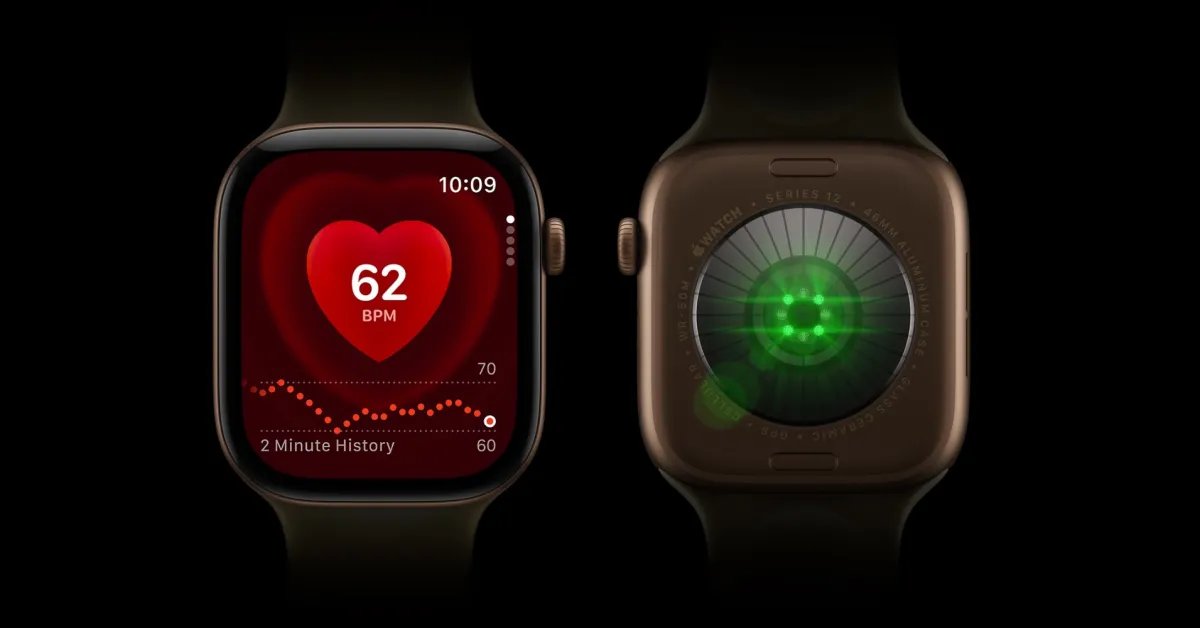
A primary criticism of previous Apple Watch iterations compared to competitors like WHOOP was the infrequency of heart rate data collection. Older models sampled heart rate data at five-minute intervals, which often created gaps in tracking intensity during fluctuating exercise or stress periods. The Apple Watch Series 12 addresses this deficiency by increasing the sampling frequency to once every five seconds.
While this remains slower than the one-second interval found in some dedicated recovery-focused wearables, the five-second frequency offers a substantial improvement in accuracy for the average user. This higher resolution allows for more precise tracking of physiological response during aerobic activities and rest periods. By capturing these data points more frequently, the device provides a more reliable foundation for calculating secondary metrics such as Heart Rate Variability (HRV), which is essential for determining overall physical recovery.
The Readiness Metric Integration
Perhaps the most significant software update accompanying the new hardware is the introduction of the Readiness app. Previous generations of Apple Watch focused heavily on active exertion—closing rings and reaching step goals—often at the expense of ignoring the body’s need for rest. The new Readiness app shifts this paradigm by providing a daily score on a 1-to-10 scale.
This metric is calculated by synthesizing HRV, sleep quality, and baseline physiological stress. Unlike traditional sleep tracking, which often provided a superficial score based primarily on duration, the Readiness algorithm interprets the qualitative aspects of rest. It recognizes that a long sleep duration does not necessarily equate to high-quality recovery. By providing a composite score, the device helps users decide whether to push for a high-intensity workout or prioritize active recovery, mimicking the analytical approach previously exclusive to specialized athletic wearables.
Overhauling the Health Interface
The hardware improvements are bolstered by the launch of the Apple Health app within the iOS 27 ecosystem. A common barrier for users of previous Apple Watch models was the fragmentation of data. Navigating complex menus to find actionable insights made the platform feel more like a data repository than a functional tool.
The redesigned Health app features a cleaner, streamlined interface that prioritizes data legibility. Statistics are presented in modular, easy-to-understand formats that surface relevant trends without requiring deep dives into obscure settings. This design choice simplifies the interpretation of complex biometrics, allowing users to understand their daily health trends at a glance. For individuals who prefer a straightforward summary of their recovery and exertion levels, the interface overhaul makes the Apple Watch a more approachable device for long-term health management.
The Value of a Multipurpose Device
While dedicated fitness trackers offer excellent health data, they often lack the utility provided by a traditional smartwatch interface. The Apple Watch Series 12 continues to excel by offering the necessary balance between health monitoring and daily connectivity. Users do not need to choose between a screen that provides notifications, communication, and navigation tools and a sensor suite that tracks internal health metrics.
The decision to maintain the watch’s display and communication features while drastically improving internal sensing hardware provides a unique value proposition. Many users who experimented with screenless wearables found themselves frustrated by the necessity of reaching for their smartphones for simple interactions. By consolidating sophisticated health tracking with a functional, high-resolution display, the Series 12 allows for a cohesive experience that manages both digital interaction and biological tracking without compromise.
Impact and Future Outlook
The combination of the Series 12 hardware and the updated software suggests that Apple is positioning its flagship wearable to compete directly with specialized recovery and wellness brands. By focusing on higher sampling rates and synthesized readiness scoring, the device is no longer just a fitness tracker—it is becoming a comprehensive biometric platform.
For the average consumer, this means fewer devices are required on the wrist to achieve a high-level overview of personal health. As Apple continues to integrate these health-focused metrics into the core of the operating system, the barrier between medical-grade monitoring and consumer-grade wearable tech continues to thin. While only longitudinal usage will confirm the long-term effectiveness of the new readiness algorithms, the current trajectory demonstrates a clear commitment to precision health analytics, making the Series 12 a significant milestone in the evolution of the platform.
Disclaimer: This content is auto-generated for informational purposes only.
Source: Read Original News