







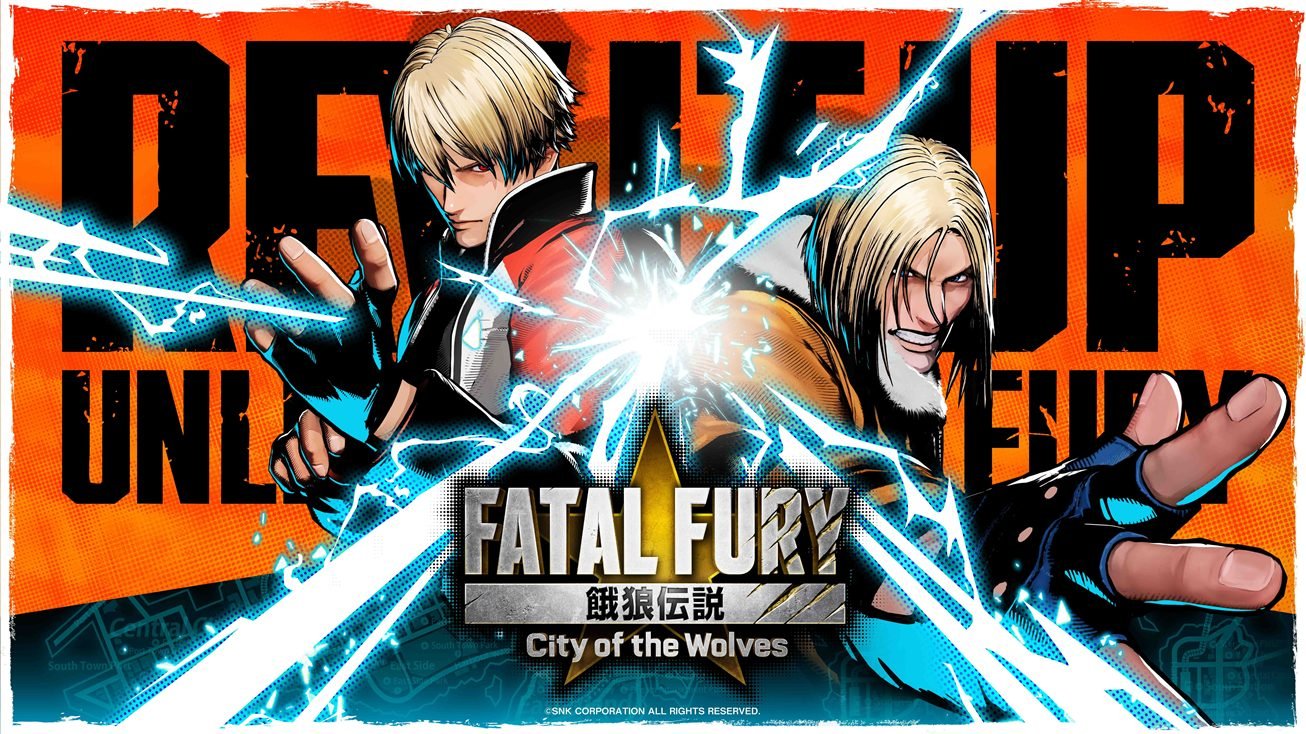
The release of any major fighting game title invariably triggers a specialized branch of digital investigation: data mining. As players pore over the internal assets of the recently updated Fatal Fury: City of the Wolves, the findings suggest a robust post-launch support plan that extends significantly further than the initial roadmap. According to research conducted by the enthusiast community, specifically through insights provided by heavenstardrive, the game files contain latent dialogue triggers that point toward an expansive Season 4 of downloadable content.
These findings are derived from specific win-quote files associated with the character Rick. In the current build of the game, these files contain placeholder or direct references to individuals not yet present on the official roster. For developers, these strings often serve as internal identifiers for upcoming assets or localization placeholders. When these identifiers appear in the game files long before an official announcement, they provide a credible roadmap of the development team’s long-term priorities and potential character additions.
The evidence surfaced from the data mining efforts revolves around four primary figures: Li Xiangfei, a water-affiliated character speculated to be Panni, a wind-manipulator associated with Alfred, and an enigmatic, high-skill boxer. The dialogue cues associated with Rick provide the strongest evidence. For instance, specific lines regarding a character capable of manipulating water appear to align with the profile of Panni, one of the antagonistic figures from the broader Fatal Fury lore.
Furthermore, the data suggests the return of Alfred, a character who famously commands wind-based techniques. The inclusion of these characters would represent a significant expansion of the game’s meta, as each introduces specific archetypes—water-based pressure and wind-based zoning—that differ from the current roster’s core mechanics. The most mysterious entry is a reference to a unique boxer who defies traditional pugilistic norms. Rick’s dialogue describes this individual as someone who engages in a “battle of the minds,” leading many to speculate that this could be White, a character known for intense, calculated combat styles. If these findings are accurate, the developer is aiming for a Season 4 that balances returning fan favorites with distinct mechanical playstyles that challenge the existing high-level competitive environment.
From a technical standpoint, the existence of these strings indicates that the game’s core engine is already prepared to integrate these characters. In modern game development, character modules are often built upon shared animation skeletons and state machines. By including win-quote triggers for unreleased characters, the development team ensures that the localization and audio integration pipelines are established, reducing the overhead required when the actual character data is pushed in a future patch.
However, it is important to categorize this information as speculative. While the code exists, development priorities can shift. Features that are partially implemented in early builds are sometimes delayed, repurposed, or discarded entirely as the balancing team iterates on the game’s mechanics. Nevertheless, the specificity of the dialogue suggests that these characters are not merely theoretical concepts but are actively moving through the production pipeline.
Parallel to the news of future content, the release schedule for Fatal Fury: City of the Wolves has introduced a notable hardware-specific incentive. The title is slated for a Nintendo Switch 2 release on October 22, 2026. To encourage early adoption on this new platform, the publisher is bundling the Mai Shiranui Classic Costume as a pre-order bonus. On other current platforms, this costume is classified as a paid piece of downloadable content.
This strategy serves as a bridge between the game’s long-standing heritage and the modern delivery of digital goods. By gating a desirable cosmetic item behind a pre-order on the Switch 2, the publisher is effectively incentivizing the migration of their player base toward the latest console hardware. For the end user, this represents a tangible financial benefit, as the cost of the costume is essentially subsidized by the initial software purchase. It also highlights the publisher’s desire to ensure high attach rates for the game on the newer platform, establishing a healthy player base from the first day of availability.
The introduction of new characters via a potential Season 4 is more than a simple content update; it is a mechanism for maintaining the longevity of the competitive scene. In the fighting game genre, meta-stability is a primary concern. Over time, the most effective strategies are refined and mastered, which can lead to a stagnating tournament environment. By periodically introducing characters with unique attributes—such as the wind and water mechanics hinted at in the leaked dialogue—the developer forces players to re-evaluate their character choices and tactical approaches.
The mention of a high-skill, strategic boxer adds a layer of depth to the meta, moving the focus away from raw damage output and toward decision-making and psychological zoning. If these characters are indeed integrated, they will require significant testing and balancing to ensure that they complement the existing mechanics of City of the Wolves without rendering previous roster additions obsolete. As the community waits for official word from the developer, the data-mined files serve as a precursor to what is clearly a long-term commitment to evolving the game’s internal ecosystem. For now, players are left to speculate on the specific move sets and frame data of these rumored additions, marking yet another chapter in the cyclical dance between developers and their most diligent digital archivists.
Disclaimer: This content is auto-generated for informational purposes only.
Source: Read Original News