








A New Engineering Standard for Mobile Photography
The launch of the iPhone 18 Pro and 18 Pro Max introduces a significant hardware evolution: the integration of a physical variable aperture on the primary camera. While mobile competitors have experimented with similar technologies in the past, Apple’s implementation marks a strategic shift in how the company balances automated convenience with manual creative control. This change serves as the cornerstone for a refined photography experience, designed to provide professional-grade results without compromising the accessibility that defines the iPhone ecosystem.
The development of this system was not driven by a desire to follow industry trends, but by a pursuit of higher sensitivity. Apple’s engineering team identified that to achieve superior low-light performance while maintaining image integrity, the optical system required a wider aperture. By moving from a static f/1.8 aperture to an f/1.48 lens, the system captures significantly more light. However, a wider aperture creates challenges regarding depth of field and sharpness, particularly in varied subject distances. The variable aperture was developed as a necessary solution to this technical hurdle, allowing the phone to benefit from the speed of f/1.48 when needed, while maintaining optical precision in other lighting conditions.
The Mechanics of Six-Blade Precision
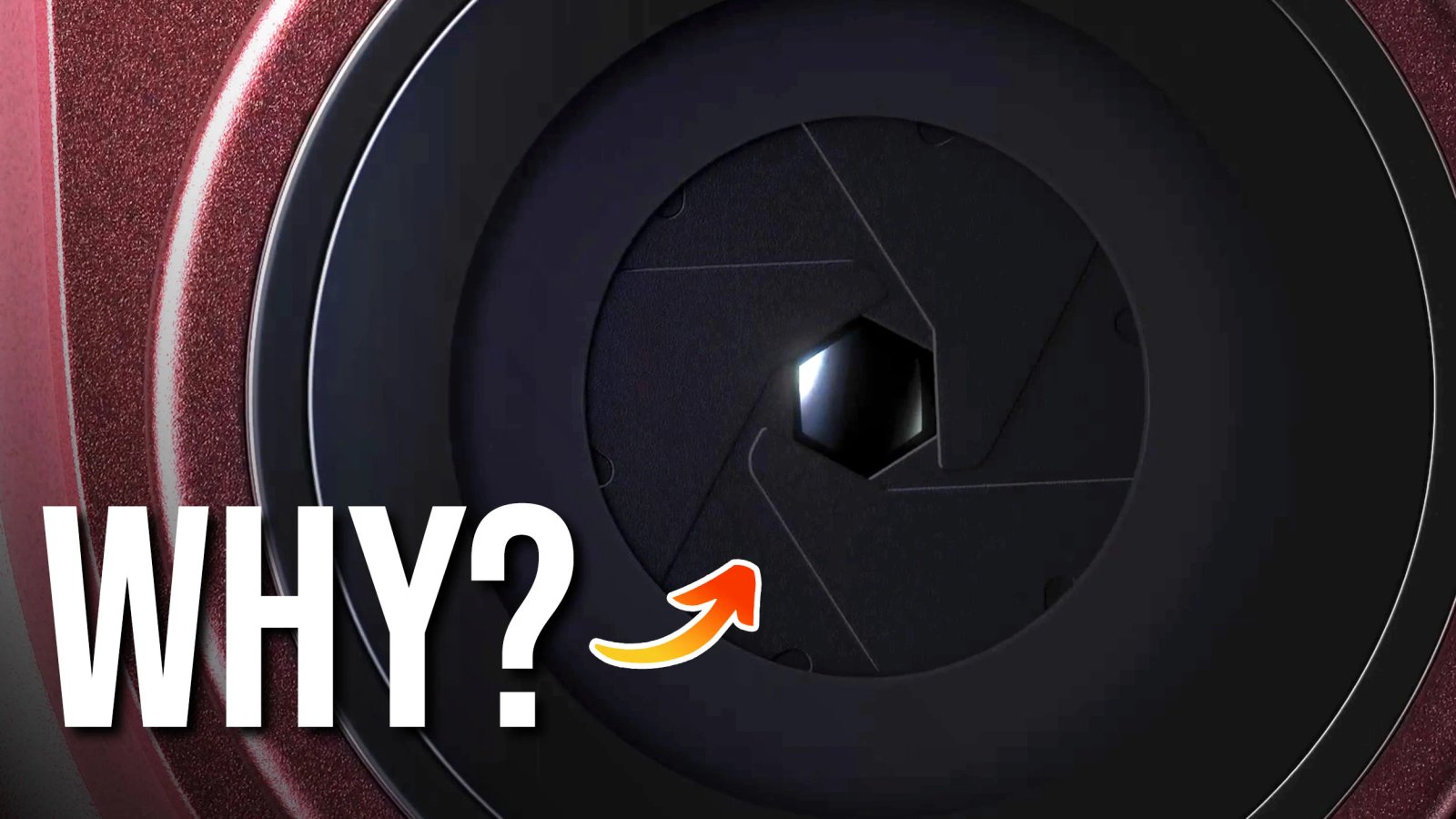
At the heart of the new camera module is a complex, six-blade mechanical aperture system. Designing this mechanism required navigating extreme physical constraints, as the space within a smartphone chassis is already at a premium. Apple’s engineers opted for a six-blade configuration to balance the need for a circular aperture shape—which dictates the quality of bokeh and out-of-focus highlights—with the mechanical reality of fitting a rotor assembly into a compact housing.
The blades themselves are constructed from a specialized polymer composite, selected for its balance of mass, durability, and flexibility. Each blade is thinner than a human hair, allowing for high-speed, precise transitions between aperture settings. The result is a system that can mechanically adjust the light intake through a physical iris, rather than relying solely on software-based post-processing. This design enables the camera to produce authentic starburst effects when shooting bright light sources, a characteristic often lost in systems that rely exclusively on computational depth mapping.
Expanding Creative Range Through User Control
Apple has implemented four distinct aperture settings for users to select: f/1.48, f/1.8, f/2.8, and f/4. While f/1.8 remains the default setting—providing the optimal equilibrium of sharpness and light sensitivity for general photography—the addition of the other settings offers a level of manual control previously reserved for dedicated mirrorless cameras.
The inclusion of these settings is complemented by the new Pro Controls interface within the native Camera app. This software update is designed to lower the barrier to entry for manual photography. Users who are unfamiliar with the technical implications of aperture can rely on the default automatic settings, while those looking to experiment can now adjust shutter speed and aperture independently. This provides videographers with the ability to manage exposure manually in bright environments by closing the aperture to f/4, avoiding the overexposure often forced upon lenses with a fixed, wide-open aperture.
The Integration of Hardware and Computation
A recurring theme in the development of the iPhone 18 Pro is the seamless integration of physical hardware and computational photography. While the mechanical aperture provides the optical foundation, the data captured is still processed through Apple’s advanced imaging pipeline. This means that users can exercise granular control over the aperture while still benefiting from features like Smart HDR, Deep Fusion, and the various Photographic Styles.
This hybrid approach ensures that the “pro” user receives the creative flexibility of an iris-based system, while the everyday user maintains the reliability of an automated point-and-shoot camera. Apple’s focus remains on preventing the “all-or-nothing” trade-offs that often plague hardware-heavy mobile systems, such as losing focus sharpness at wider apertures or suffering from diffraction at narrower settings. The software intelligently manages these optical constraints, providing a feedback loop that guides the user toward the most effective setting for the current scene.
A Long-Term Commitment to Professional Optics
Apple’s decision to commit to a variable aperture system is notable given the history of the technology in mobile devices. Many manufacturers have implemented similar features in the past only to discard them in later iterations due to the mechanical complexity and internal space requirements. Apple’s approach, however, is framed as a permanent advancement for the Pro product line.
By viewing the aperture as a foundational tool rather than a novelty, Apple is signaling a move toward more traditional photographic principles. The engineering effort required to maintain this feature suggests that the company is moving toward an architecture where manual control is an expectation rather than an exception. As it stands, the combination of the new lens hardware and the Pro Controls software creates a versatile platform that addresses the requests of enthusiasts while continuing to serve the needs of general users. This evolution marks a pivotal moment in mobile imaging, shifting the focus from purely algorithmic improvements back toward optical hardware capable of producing authentic, high-quality results across a wide spectrum of photographic scenarios.
Disclaimer: This content is auto-generated for informational purposes only.
Source: Read Original News