





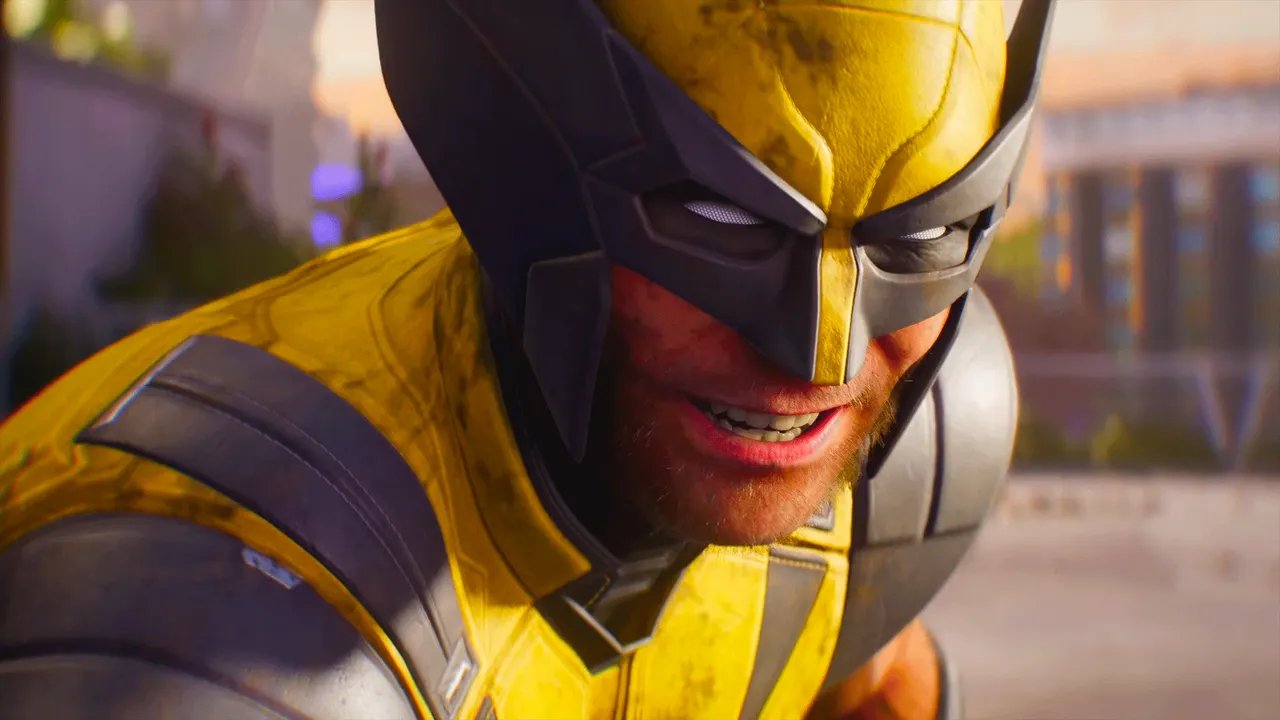
Insomniac Games has officially addressed concerns regarding the use of generative artificial intelligence in its latest PlayStation 5 release, Marvel’s Wolverine. The clarification arrives following a period of scrutiny on social media, where players identified visual anomalies within the game that closely resembled the common errors associated with machine-generated imagery.
The Source of the Visual Controversy
The speculation began when players encountered specific in-game bathroom signage that appeared warped and poorly defined. These signs featured human figures that were blended together in a fashion typical of artifacts seen in early generative AI models, which often struggle with complex geometric shapes and human anatomy. A video uploaded to TikTok by a user highlighted these textures, prompting widespread debate among the gaming community about whether the developer had integrated automated assets into the game’s production pipeline.
Given the current climate of apprehension regarding the role of synthetic media in creative industries, these visual errors were quickly misinterpreted as proof of automated development techniques. The concerns gained traction on various social media platforms, leading to inquiries from fans worried about the integrity of the game’s art assets.
Technical Explanation: The Role of UV Mapping
In response to the confusion, James Stevenson, the director of community and marketing at Insomniac Games, clarified the actual technical cause of the graphical defect. Stevenson explicitly confirmed that the strange, melted appearance of the signage was the result of a UV mapping error.
In 3D computer graphics, UV mapping is the process of projecting a 2D image onto a 3D model. The coordinates, known as UVs, dictate how a texture is applied to the surface of a model. If these coordinates are incorrect or improperly unwrapped, the texture can appear stretched, distorted, or merged, resulting in the exact type of visual glitch observed by players in Marvel’s Wolverine. Stevenson noted that the development team is aware of the issue and is preparing a software patch to rectify the distorted visuals. By attributing the issue to a standard technical oversight in texture application rather than algorithmic creation, the studio has sought to quell rumors regarding their asset production methods.
Industry Context and Generative AI Concerns
The rapid reaction from Insomniac Games highlights the heightened sensitivity surrounding generative technology within professional game development. As the industry grapples with the integration of AI tools, players have become increasingly vigilant. High-profile instances where automated content has been used in marketing materials or game assets without clear disclosure have led to significant backlash, making developers more cautious about their technical processes.
By proactively stating that there are no AI-generated assets in the title, Insomniac is attempting to maintain transparency with its audience. This move serves as a critical distinction between technical bugs, which are a common occurrence in complex software development, and the intentional use of generative models to produce finished game assets. For a high-fidelity exclusive like Marvel’s Wolverine, ensuring that public perception remains aligned with the intended craftsmanship of the studio is a significant priority.
Ongoing Post-Launch Support
The resolution of the UV mapping issue is part of a broader commitment from the studio to refine the player experience following the game’s September 15 release. Marvel’s Wolverine has faced several post-launch hurdles, including player feedback regarding the Scent Trail mechanic. Some users noted that the tracking feature, which helps players navigate the environment, was visually intrusive and humorously likened to gas-related effects.
Insomniac has already deployed a fix to adjust these scent indicators and is currently evaluating requests for a toggle that would allow players to disable or modify the feature entirely. This iterative approach to development—where player feedback drives specific adjustments shortly after release—is standard practice for major console titles. While these initial reports of graphical and gameplay issues have been focal points for discussion, the studio continues to iterate on the project to ensure a more polished outcome for its user base.
Balancing Expectations and Reality
The swift correction regarding the bathroom signage underscores the importance of clear communication between developers and the public. In an era where misinformation can spread rapidly across social media, the technical explanation provided by Stevenson serves as an essential tool for maintaining the professional reputation of the studio.
Despite the initial discourse surrounding technical glitches and the linear nature of the gameplay, Marvel’s Wolverine has seen a strong commercial start. While reviews have been mixed—with some critics noting that the combat systems may lose their appeal over the duration of the campaign—the project remains a significant release for the PlayStation platform. As the team at Insomniac continues to roll out fixes for identified bugs, the primary challenge remains reconciling the developer’s design choices with the evolving expectations of the modern player, all while maintaining a clear stance on the creative tools utilized during production.
Disclaimer: This content is auto-generated for informational purposes only.
Source: Read Original News