








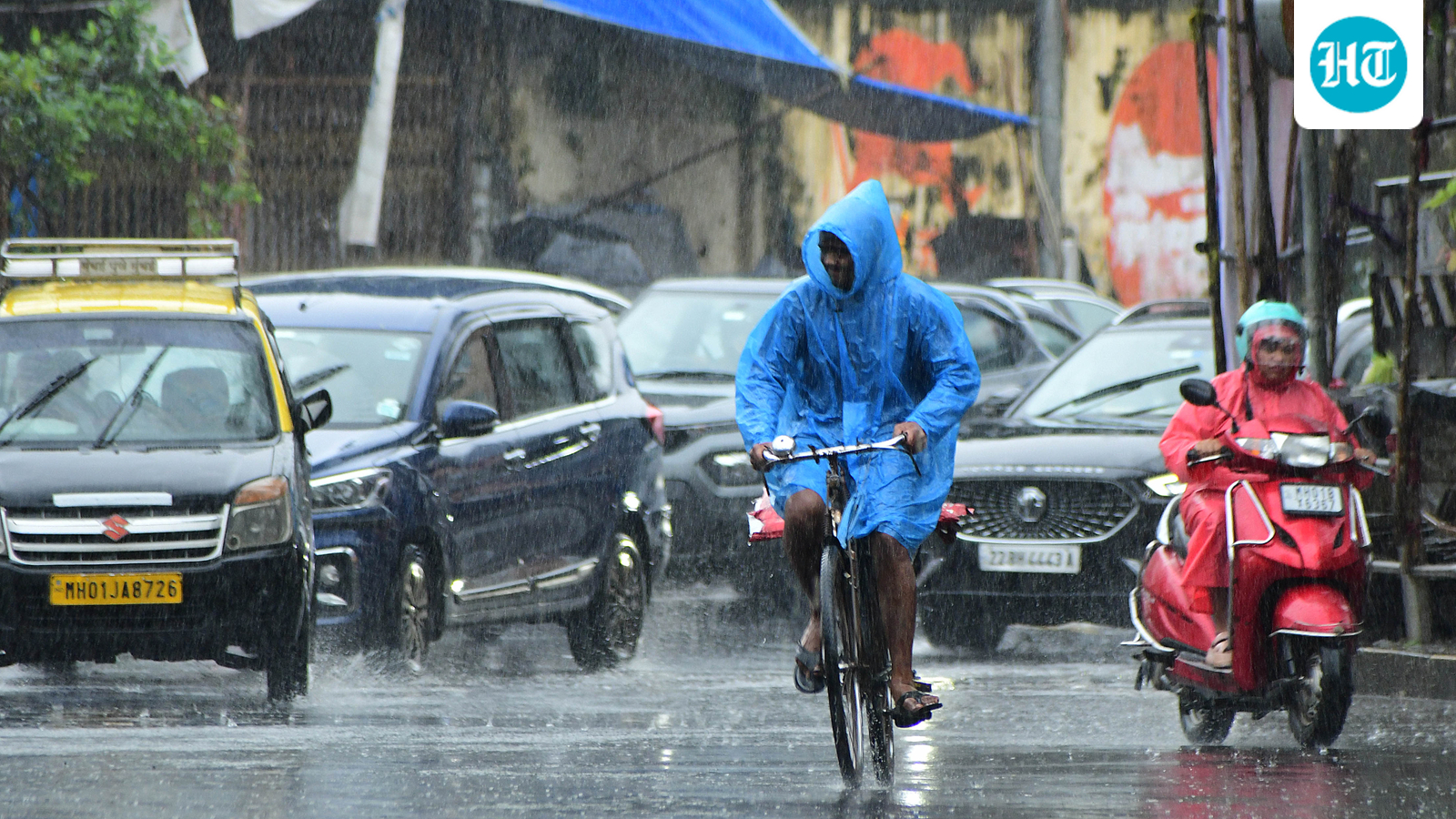
Monsoon Begins Withdrawal from Northwest India as Seasonal Deficit Persists
The southwest monsoon has officially commenced its departure from the country, with the India Meteorological Department (IMD) confirming that the retreat began from parts of west Rajasthan this Saturday. The seasonal withdrawal, a critical transition in India’s climatic calendar, is occurring two days later than the long-period average date of September 17.
Meteorologists have noted that atmospheric conditions are currently conducive to a steady withdrawal, with expectations that the rain-bearing winds will vacate further stretches of the northwestern region, including Punjab and the Saurashtra peninsula in Gujarat, over the coming days.
A Season of Variable Rainfall
While the withdrawal marks the winding down of the four-month rainy season, the overall performance of this year’s monsoon has been marked by uneven distribution. According to data released by the IMD, the national rainfall deficit stood at 15% as of September 18. This shortfall highlights the regional disparities that characterized the 2026 monsoon, where several pockets experienced prolonged dry spells interspersed with intense, localized bursts of precipitation.
The late start to the withdrawal process is not entirely unprecedented, as climate patterns have shown increasing variability in recent years. However, the 15% deficit remains a point of concern for agricultural planners and water management authorities, particularly in regions dependent on consistent rainfall for the maturity of the Kharif crop cycle.
Meteorological Indicators and Expectations
The retreat of the monsoon is typically signaled by the establishment of an anticyclonic circulation over northwest India, a reduction in moisture levels, and a significant decrease in cloud cover. IMD officials have been monitoring the moisture-laden winds as they shift their trajectory.
“The withdrawal process is a gradual movement that signifies the weakening of the monsoon trough,” a weather bureau official noted. “While the retreat has started from the desert regions of Rajasthan, it will continue to move southward and eastward across the northern plains before the entire process concludes in October.”
Impact on Agriculture and Infrastructure
The agricultural sector remains the most sensitive to these shifting weather patterns. For farmers, the timing of the withdrawal is crucial; while the rains are vital for recharging groundwater and sustaining crops, a delayed exit can sometimes overlap with the harvesting phase, potentially leading to crop damage. Conversely, a premature end to the rains can stress crops in regions that rely on late-season showers.
As the monsoon retreats, the country typically transitions into a period of clear skies and rising temperatures before the onset of the winter season. Urban centers like Mumbai and Delhi, which have navigated volatile rainfall events throughout the summer, are now preparing for the post-monsoon phase. The focus for civic authorities will soon shift from flood management and drainage maintenance to dealing with the lingering effects of the season’s precipitation on infrastructure.
The IMD will continue to issue daily bulletins to track the exact boundaries of the withdrawal, providing farmers and government agencies with the necessary data to manage the conclusion of what has been a challenging and deficit-heavy monsoon season.
Disclaimer: This content is auto-generated for informational purposes only.
Source: Read Original News