







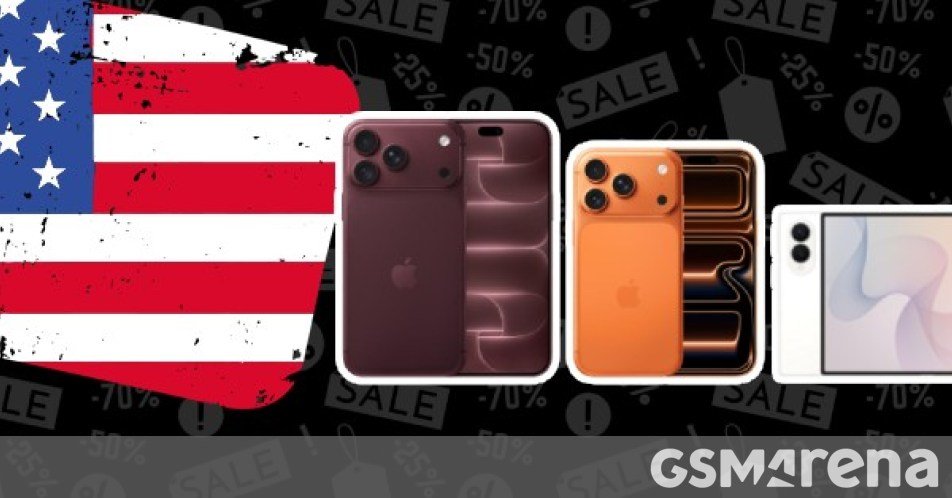
The global smartphone landscape shifted this week as the iPhone 18 Pro and 18 Pro Max officially reached retail shelves in 65 countries. This release marks a significant departure from Apple’s traditional hardware lifecycle, characterized by a notable price increase and a change in how the company manages its legacy inventory. Consumers looking for the latest in mobile silicon and camera refinement can now acquire the 18 Pro series, though those awaiting the much-discussed iPhone Duo must exercise patience, as that device is slated for a late October arrival.
A Shift in Pricing and Hardware Strategy
The iPhone 18 Pro series carries a $100 price premium over its predecessors, the 17 Pro and 17 Pro Max. This departure from previous strategies is compounded by the fact that older models did not receive the typical post-launch price cuts seen in prior years. In fact, current market dynamics have seen prices for previous-generation models rise rather than fall, complicating the value proposition for those considering a last-year model.
The primary technological advancement in the 18 Pro series is the integration of the A20 Pro chipset. Manufactured on a 2nm process, this processor represents a substantial leap in computational efficiency and raw performance. Furthermore, Apple has refined the hardware design by reducing the size of the punch-hole cutout for the FaceTime camera and Face ID sensors, providing a slightly less intrusive visual presence on the display. Other internal improvements include a variable aperture system for the primary camera and enhanced power management, allowing for faster charging that achieves a 50% battery level in just 15 minutes.
Navigating the Refurbished Market
Given the price adjustments affecting new units, many users are turning toward the refurbished market. Platforms like Amazon offer “Renewed Premium” units, which must meet strict quality standards, including zero screen scratches, minimal cosmetic wear, and battery health exceeding 90%.
For those not requiring the latest 2nm silicon, a one-year-old iPhone 17 Pro represents a more accessible entry point, frequently available for under $1,000. However, the market for the 17 Pro Max has displayed unusual resilience, with some retailers listing refurbished units at prices comparable to their original launch cost. This unusual stability in pricing underscores a high demand for established hardware even when newer, faster alternatives are available. Standard models from the previous cycle, such as the iPhone 17, 17 Air, and 17e, remain available through official channels, though these too have seen price hikes that make refurbished units a more logical path for cost-conscious buyers.
Accessories and Ecosystem Expansion
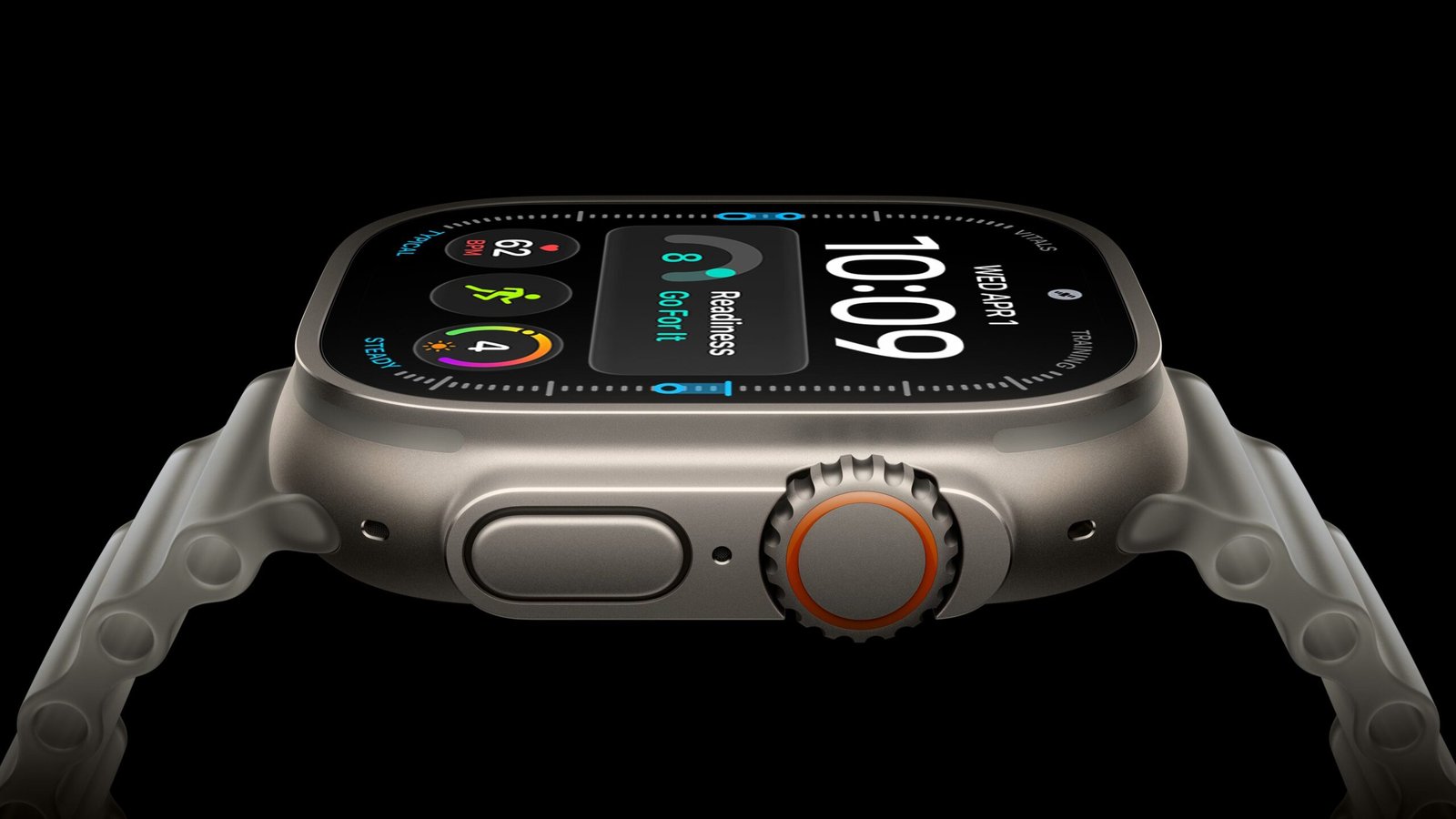
Concurrent with the iPhone 18 Pro launch, Apple has introduced a new suite of accessories, including TechWoven, silicone, and clear cases, all of which maintain full compatibility with the MagSafe ecosystem. Beyond the phones themselves, the company has expanded its wearable and audio portfolio. The latest additions hitting retail locations include the AirPods 5, the Apple Watch Series 12, and the Apple Watch Ultra 4. These peripherals continue to integrate deeply with the base iOS experience, offering refined health tracking and audio processing capabilities.
The Competitive Landscape: Folding Devices
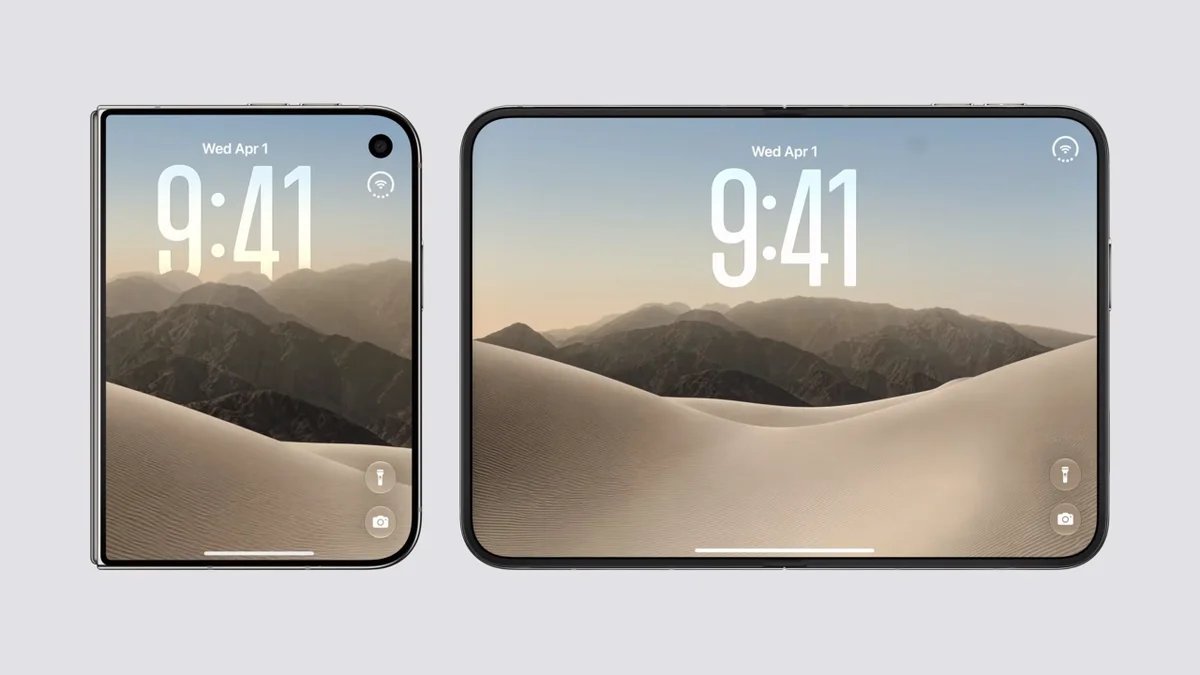
While the iPhone Duo is still pending release, the competition in the foldable sector is already intensifying. The Samsung Galaxy Z Fold8 has emerged as a primary contender for users seeking a large-screen, portable experience. The Z Fold8 distinguishes itself through a more compact physical profile, weighing 201g with a thickness of 9.7mm, compared to the 254g and 11.3mm specifications of the anticipated iPhone Duo.
The Z Fold8 utilizes the Snapdragon 8 Elite Gen 5 for Galaxy, providing a robust hardware foundation. Its camera array—consisting of a 50MP main sensor and a 50MP ultra-wide—is supported by dual 10MP selfie cameras housed in standard punch holes. In contrast, Apple is expected to utilize an under-display camera for the inner screen of the Duo. Furthermore, while the Duo supports stylus input, the Z Fold8 excludes this feature to prioritize portability and weight reduction.
For users seeking maximum screen real estate, the Galaxy Z Fold8 Ultra offers an 8-inch inner display with a high-end 200MP main camera and a dedicated 3x telephoto lens. Even with its larger screen, the Ultra model remains lighter than the Apple foldable. Conversely, the Galaxy Z Flip8 targets the compact market, folding into a pocket-friendly 13.1mm-thick unit. These competitive models highlight the current industry divergence: while Apple focuses on stylistic integration and under-display technology, the Android competition continues to iterate rapidly on weight reduction, lens variety, and ergonomic form factors. As the market enters the final quarter of the year, consumers face a distinct choice between Apple’s established high-performance ecosystem and the specialized, hardware-driven agility of the foldable market.
Disclaimer: This content is auto-generated for informational purposes only.
Source: Read Original News