








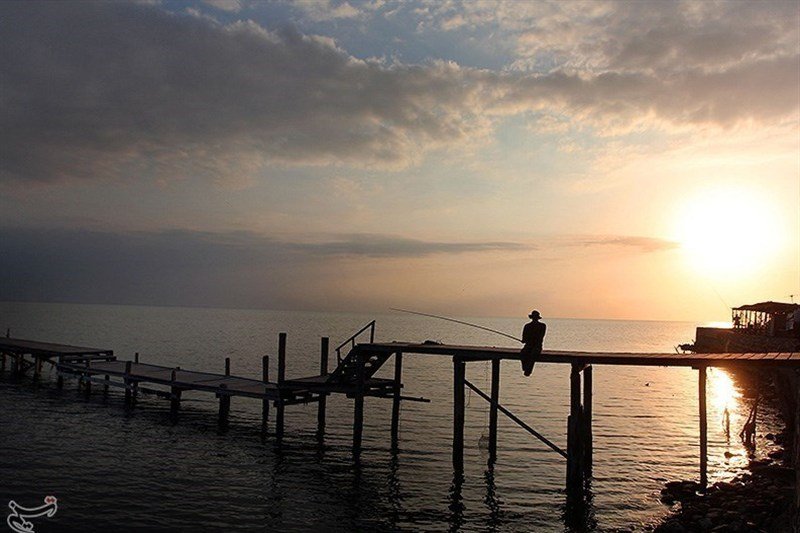
Tehran is set to host the seventh Conference of the Parties (COP7) to the Tehran Convention this week, marking a pivotal moment for the ecological future of the Caspian Sea. Shina Ansari, head of Iran’s Department of Environment, announced that the summit will begin with three days of expert-level technical discussions, followed by a high-level ministerial meeting on Wednesday, September 23.
The Tehran Convention, which serves as the primary regional framework for the protection of the Caspian Sea’s marine environment, brings together the five littoral states—Iran, Russia, Kazakhstan, Azerbaijan, and Turkmenistan. As the host nation, Iran aims to leverage the gathering to foster stronger regional cooperation and address the mounting environmental pressures facing the world’s largest inland body of water.
According to Ansari, the primary objective of the four-day event is to move beyond dialogue and toward the implementation of practical, coordinated measures. “Iran’s efforts to organize the conference in the capital are aimed at ensuring that the environmental issues and challenges facing the Caspian Sea are addressed and followed up within a regional and international framework,” Ansari stated.
The agenda for the meeting is extensive, reflecting the diverse range of threats confronting the Caspian ecosystem. Participants are expected to engage in rigorous debate regarding regional cooperation, the identification of common environmental challenges, and the development of institutional mechanisms to enforce protections. Central to these discussions will be the finalization of agreed-upon documents that will dictate the future management of the sea’s resources and the mitigation of pollution.
The Caspian Sea is currently grappling with a series of interconnected crises, including declining water levels, industrial pollution, the impacts of climate change, and the degradation of biodiversity. Scientific reports have increasingly highlighted the vulnerability of the Caspian’s unique endemic species, such as the Caspian seal and various sturgeon populations, which are threatened by habitat loss and unsustainable fishing practices. By convening the COP7, the littoral states are attempting to recalibrate their environmental policies to ensure that economic activities, such as oil and gas extraction and maritime transport, do not come at the expense of the sea’s long-term viability.
For Iran, the conference represents a strategic opportunity to utilize regional and international diplomacy to secure a sustainable future for the body of water. Ansari emphasized that the Iranian delegation intends to prioritize the creation of a unified front among the littoral states. The goal is to move past the bottlenecks that have historically hampered environmental governance in the region, laying the groundwork for joint decisions and actionable, cross-border projects.
The outcome of Wednesday’s high-level session will be closely watched by environmental experts and international organizations alike. The success of the Tehran Convention, which has been in force since 2006, hinges on the willingness of all five signatories to harmonize their domestic policies with international standards. If the participating nations can reach a consensus on the proposed documents, it would signify a renewed commitment to the “precautionary principle”—a vital approach for managing the delicate and complex ecosystem of the Caspian basin.
As the conference commences, the global community looks toward the littoral states to demonstrate the political will necessary to confront the reality of an ecological landscape in flux. The COP7 meeting stands as a critical test of whether regional diplomacy can transcend national interests to secure the ecological integrity of the Caspian Sea for future generations.
Disclaimer: This content is auto-generated for informational purposes only.
Source: Read Original News