






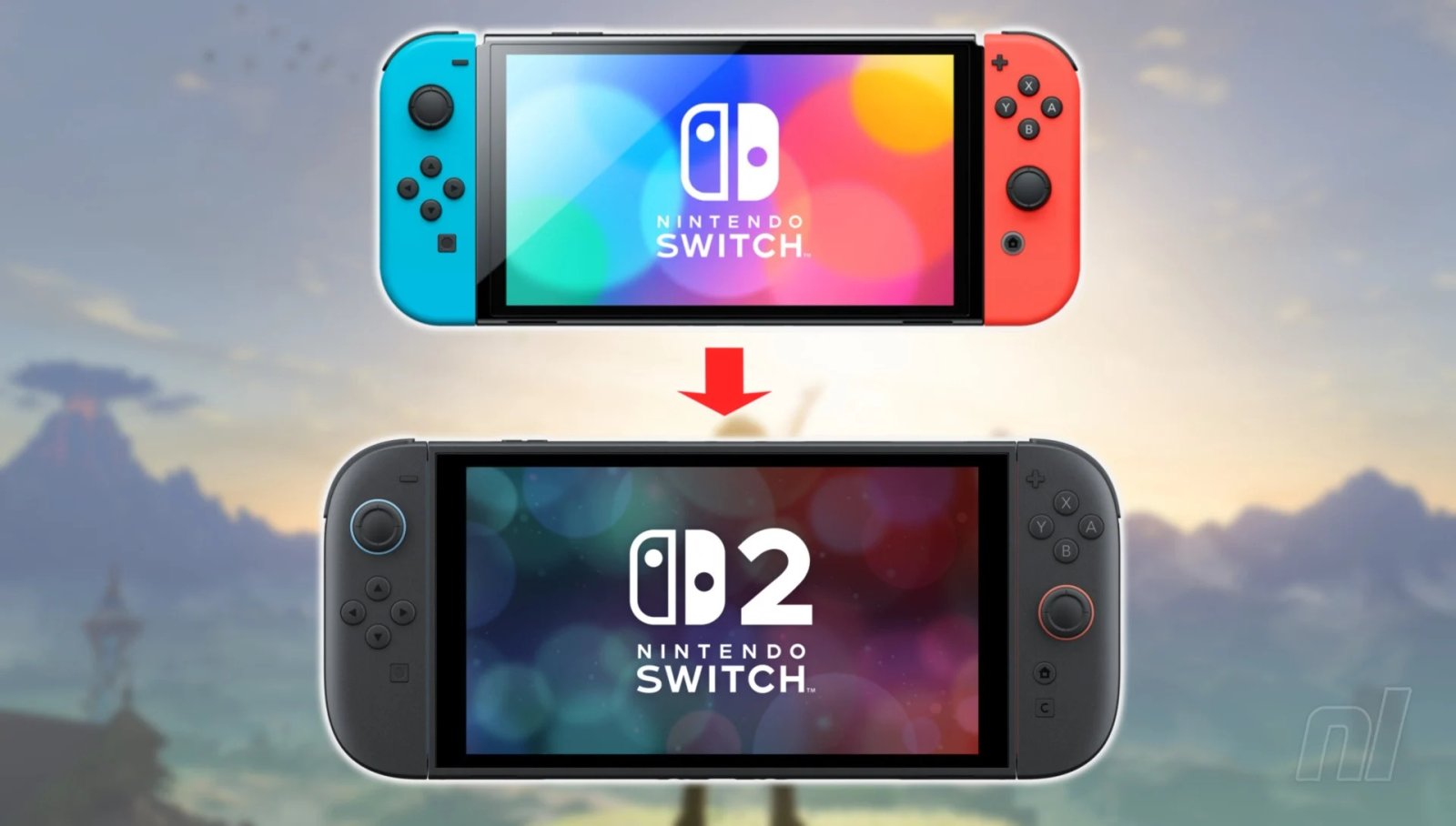
The Nintendo Switch 2, having now been on the market for over a year, continues to evolve through persistent firmware engineering. While the hardware established a strong foundation at launch, the ongoing commitment to software refinement highlights the complexities of cross-generational hardware architecture. Recent updates indicate that Nintendo is systematically addressing the hurdles associated with running original Switch software on the more powerful, upgraded platform, ensuring that the legacy library remains accessible and optimized for current users.
Technical Architecture and Compatibility
The transition between the original Switch and the Switch 2 involves significant shifts in internal architecture. While the two systems share a conceptual lineage, the Switch 2 employs upgraded processing components and a more robust feature set, including support for Variable Refresh Rate (VRR) technology in docked mode. Implementing backward compatibility is rarely as simple as allowing the newer hardware to read older software. It requires a sophisticated software layer that manages the emulation or virtualization of the previous environment while leveraging the overhead of the new processor.
Recent firmware updates, specifically the 23.0.0 iteration, serve as a bridge between these two generations. By adjusting system-level drivers and API calls, Nintendo is resolving performance bottlenecks and graphical glitches that were previously inherent in certain legacy titles. These firmware patches essentially tell the hardware how to better interpret legacy code, leading to smoother frame rates and fewer input response issues.
The Role of Firmware Update 23.0.0
The release of firmware version 23.0.0 stands as a milestone for Switch 2 users. Beyond the highly anticipated inclusion of VRR, which helps eliminate screen tearing and stutter by synchronizing the display refresh rate with the GPU output, the update includes a suite of background enhancements. These enhancements directly improve how legacy software interacts with the improved hardware output.
For the end-user, these updates are largely transparent. When a game encounters a rendering error on the newer hardware, developers often collaborate with platform engineers to create specialized profiles for those titles. Version 23.0.0 streamlined this process, allowing for more efficient distribution of compatibility patches for a wider array of games. This approach minimizes the need for individual developers to re-release or manually update their back-catalog, as the console itself takes on the heavy lifting of ensuring a stable experience.
Addressing Known Game Performance Issues
Despite the success of the transition, not all software functions seamlessly. Community reports and technical documentation indicate that a subset of the original library still faces challenges. High-profile titles, including various AAA games and smaller indie projects, have required targeted adjustments to resolve issues ranging from texture flickering to total application crashes.
Nintendo maintains an official search portal that catalogs these games and their current status. This database acts as an essential resource for players who want to ensure their specific library will run without interruption. The process is iterative; as players log issues, the system engineers evaluate the software’s performance and deploy fixes in batches. This collaborative cycle ensures that the library continues to grow in reliability, even for software that was never originally intended to run on the Switch 2 hardware.
Use-Cases and Hardware Impact
The impact of these compatibility efforts is significant for the longevity of the Nintendo ecosystem. By ensuring that players can carry their existing library forward to the new console, Nintendo preserves the value of the initial investment made by consumers. This is particularly important for titles with long tail-ends, such as massive open-world adventures or competitive multiplayer games that maintain a dedicated base for several years.
Furthermore, the integration of new hardware features—such as enhanced internal resolution upscaling and the aforementioned VRR—often breathes new life into older titles. Games that may have struggled with frame-pacing on the original hardware often find a more stable performance profile on the Switch 2. This creates a functional improvement, where the legacy software is not just merely playable, but arguably enhanced by the superior system specifications of the newer console.
Future Outlook and Community Feedback
The ongoing development of these compatibility fixes demonstrates a long-term commitment from the platform holder. While the focus remains on patching existing software, the feedback loop between the player base and the development team remains critical. Users frequently identify specific edge cases where game audio might desync or specific shaders might fail to load properly. These reports are often the catalyst for the next round of engineering work.
As the Switch 2 matures, the demand for high-fidelity performance on older titles will likely continue to guide firmware priorities. Whether it involves refining the emulation of specific graphical assets or expanding the capability of the hardware to interpret legacy instructions, the goal remains the same: a seamless, high-performance experience that makes the generational gap feel invisible. By continuing to iterate on these system-level fixes, Nintendo ensures that the Switch 2 serves as both a gateway to new experiences and a reliable, updated home for the history of the platform.
Disclaimer: This content is auto-generated for informational purposes only.
Source: Read Original News