








A Return to Roots Through Modern Design
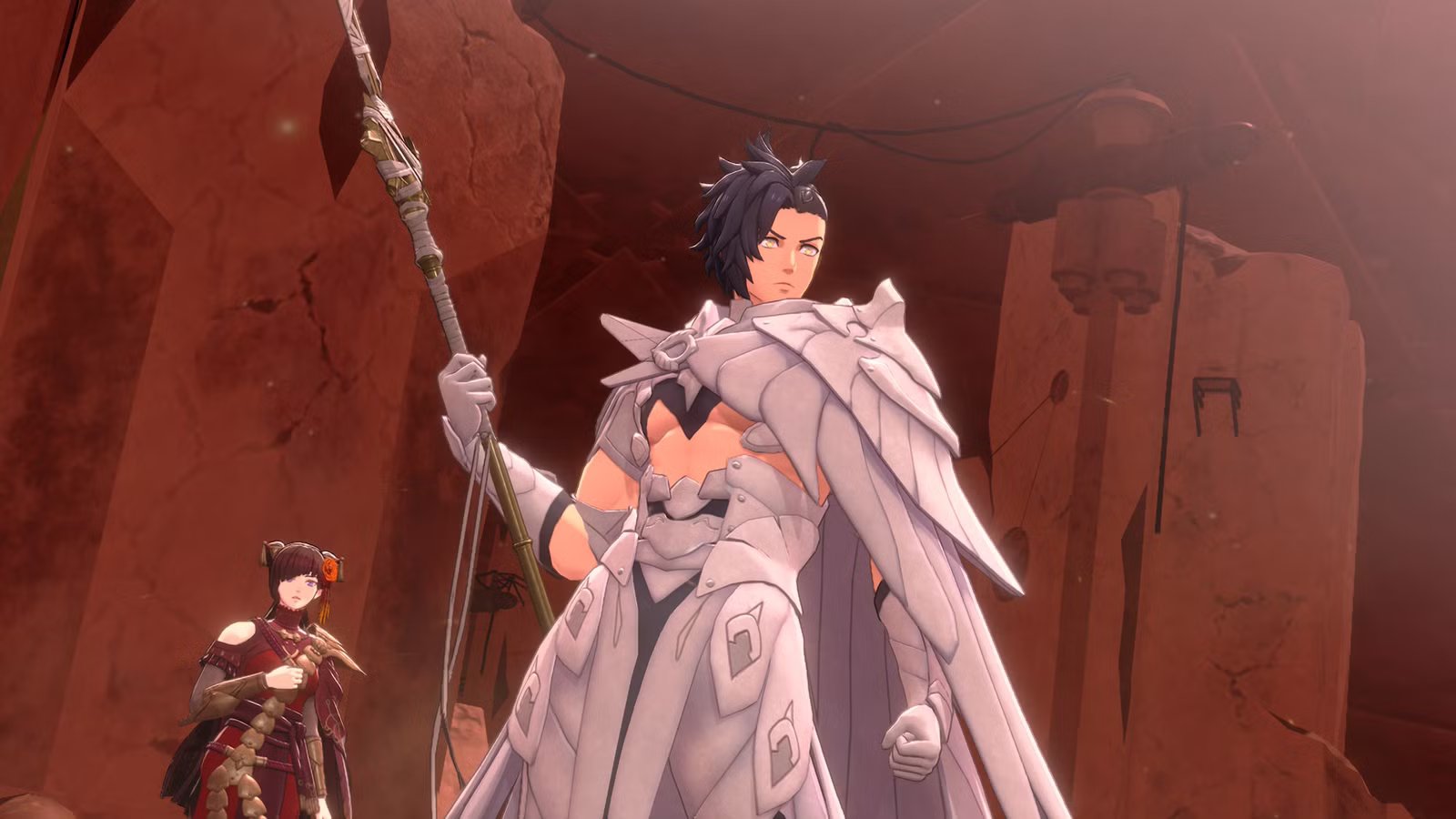
Fire Emblem: Fortune’s Weave represents a significant pivot for developer Intelligent Systems. While the title retains the polished interface and character-focused progression systems seen in recent entries like Engage and Three Houses, its core structure reflects the tactical rigor of the Game Boy Advance era. By stripping away some of the more bloated social mechanics of recent predecessors, the game manages to distill the series to its most compelling elements: character-driven narrative depth and high-stakes turn-based combat. The result is an experience that feels like a deliberate anniversary celebration, honoring three decades of design evolution while refining the mechanics for a contemporary audience.
Refining Character Connections
A notable shift in Fortune’s Weave is the departure from the “everything-for-everyone” approach to social interactions. In several previous titles, the sheer volume of support conversations and romance scenarios often diluted the narrative impact, leading to character beats that felt repetitive or forced. Fortune’s Weave returns to a more selective model, where each character has a curated set of support partners—family, colleagues, or rivals.
This change does not sacrifice depth; instead, it enhances it. By focusing on meaningful, character-defining interactions rather than overwhelming the player with filler content, the game ensures that even secondary characters feel like integral parts of the world. This approach mirrors the design philosophy of older titles, where character identity was established through sparse but impactful writing. The resulting relationships feel more intimate and grounded, allowing the player to understand the motivations behind a unit’s actions without needing to exhaust every possible social combination.
Integrating Narrative and Gameplay
The narrative structure of Fortune’s Weave introduces a dark, complex underworld plot that elevates the stakes beyond generic fantasy tropes. While the series has utilized supernatural adversaries before, this entry treats the underworld as a central catalyst for a sprawling family drama, tying historical events directly to the player’s current campaign. This integration of lore into the main questline prevents the story from feeling disjointed.
Beyond the narrative, the inclusion of undead enemies adds a layer of technical challenge. These foes possess unique abilities that force players to adapt their strategies, requiring more than just standard offensive maneuvers to overcome. By treating enemy composition as a core part of the environmental storytelling, the developers have successfully created a sense of peril that scales alongside the player’s progression, effectively utilizing the thematic elements of the underworld to dictate the rhythm of the game’s tactical skirmishes.
Tactical Depth in Low-Visibility Conditions
Fog of war has long been a contentious feature in the tactical RPG genre, often vacillating between being a brilliant test of caution and an exercise in frustration. Fortune’s Weave reintroduces limited-vision maps with a refined set of systems designed to reward proactive play. Rather than simply hiding the map, the game creates high-tension scenarios where the player must navigate blind corners against enemies programmed to exploit weaknesses and execute flanking maneuvers.
To balance this intensity, the developers introduced a new mechanical layer: the confusion status. When a player discovers an enemy in the fog, the unit is temporarily confused, preventing them from counterattacking. Furthermore, specific accessories allow players to buff their units when attacking these disoriented targets. This turns fog-of-war maps into a puzzle-like experience, where the player can use reconnaissance to set up devastating offensive turns, providing a satisfying sense of mastery that was lacking in previous, more passive implementations of the system.
The Evolution of Combat Mechanics
Perhaps the most controversial change in recent series history has been the fluctuation regarding weapon durability and the traditional weapon triangle. Fortune’s Weave resolves this debate by embedding tactical roles directly into weapon types rather than relying on class restrictions or temporary durability metrics. By giving axes higher raw power at the expense of accuracy and ensuring swords remain the superior choice for follow-up attacks, the game retains the strategic triangle’s purpose without the friction of constant inventory management.
This design shifts the focus toward skill synergy. Players are encouraged to combine specific unit skills with weapon attributes to create unique combat builds. This creates a high level of strategic flexibility, ensuring that two players can approach the same encounter with entirely different methodologies. After years of testing various systems—from weapon wear to complex debuff charts—Intelligent Systems has arrived at a balance that feels both modern in its fluidity and classic in its tactical weight. By focusing on synergy and player-driven builds, Fortune’s Weave serves as a definitive roadmap for how the series can evolve without losing the strategic identity that defined its longevity.
Disclaimer: This content is auto-generated for informational purposes only.
Source: Read Original News