







Optimizing Power Efficiency and Charging Velocity
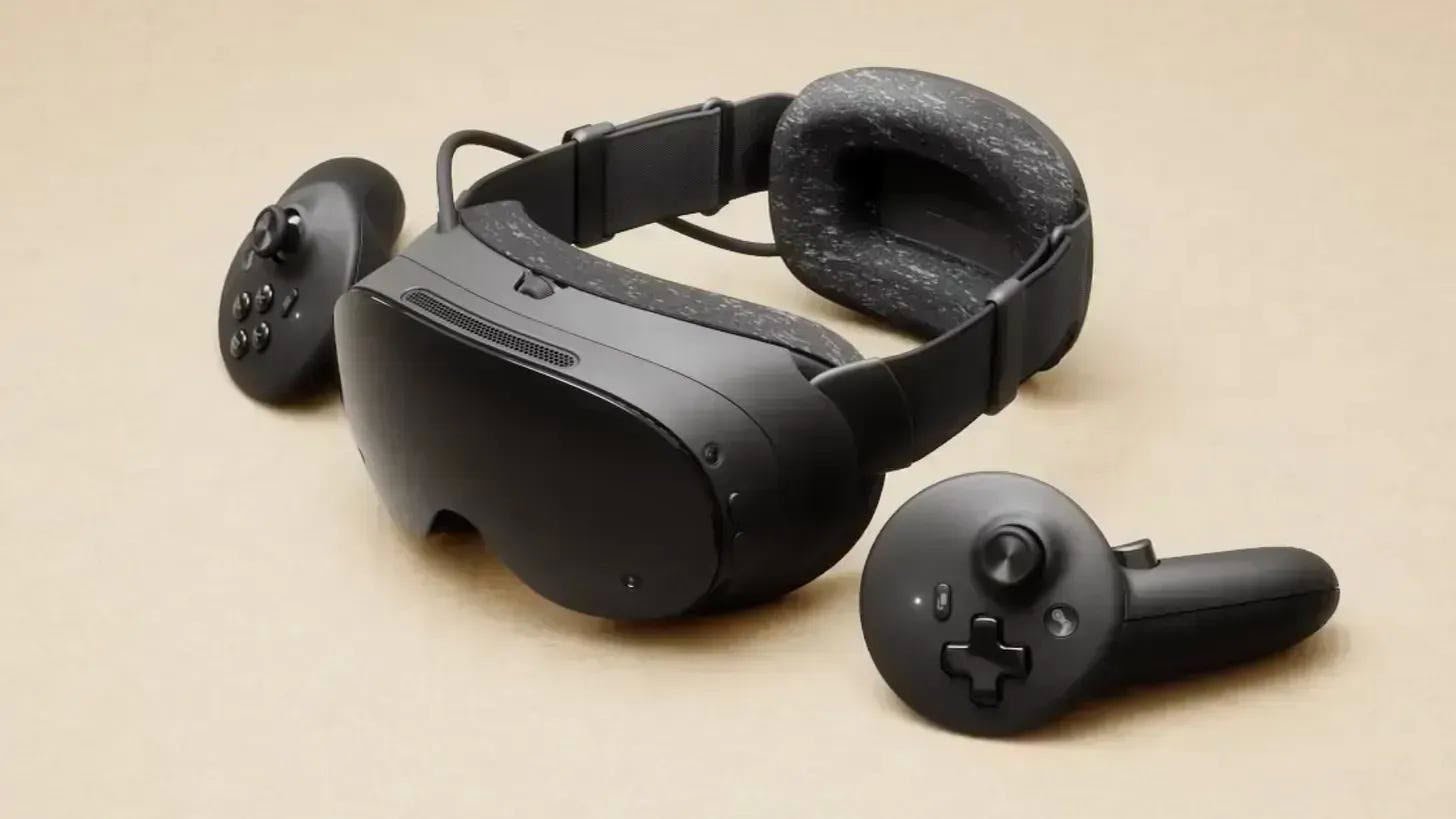
Valve has officially deployed SteamOS 0.3.0 for the Steam Frame, marking the first major system update since the high-end virtual reality headset launched on September 14. Among the various adjustments, the most critical improvement involves the power management system. Early reception of the $1,059 device noted significant frustration regarding its charging duration, which many reviewers identified as a bottleneck for extended sessions.
The update introduces a refined power delivery architecture that significantly accelerates charging speeds during sleep mode and while the device is powered down. Empirical testing conducted following the update reveals that the hardware now manages power intake with much higher efficiency. Previously, a depleted unit would initialize charging at roughly 8 W, eventually scaling to a peak of 27 W. Following the installation of the 0.3.0 patch, the system now initiates at approximately 19 to 21 W. Perhaps most impressively, the device maintains a charging rate of 42 W even while a game is actively running. Valve emphasizes that to utilize this power profile, users must employ a charger capable of delivering at least 45 W via the USB-C standard. This necessitates that users ensure their charging peripherals meet these technical specifications, as lower-wattage bricks will not trigger these accelerated charging states.
Refining Input Precision and Haptic Feedback
Beyond power management, the 0.3.0 update addresses performance inconsistencies regarding controller tracking. A frequent observation from early users involved tracking jitter or drifting that occurred specifically when the internal haptic motors were firing at high intensities. This suggested a signal interference or a resource allocation conflict between the controller’s motion-tracking sensors and the haptic feedback actuators.
Valve’s engineering team has optimized the firmware communication between these components to ensure that motor engagement no longer degrades the fidelity of the spatial tracking. By stabilizing the input pipeline, the update ensures that fine motor movements remain accurate even during intense gameplay moments characterized by frequent, high-frequency haptic vibrations. Furthermore, the update resolves a persistent audio issue where the integrated microphone would produce garbled or distorted input. By rectifying these stability concerns under high system load, the update creates a more reliable environment for both competitive play and social interaction within virtual spaces.
Advancements in Motion Smoothing and Visual Stability
The Steam Frame relies heavily on sophisticated reprojection and motion smoothing algorithms to maintain visual continuity. A notable bug identified in the initial software build caused the per-app “Force Always-On” motion smoothing setting to be ignored by the OS, forcing users into a default behavior that did not always align with their performance preferences. The 0.3.0 update corrects this logic, allowing the hardware to correctly honor user-defined settings for specific applications.
In addition to fixing the configuration toggle, Valve has specifically tuned the motion smoothing behavior for Half-Life: Alyx. Given that this title serves as a primary benchmark for the headset’s capabilities, these adjustments ensure that frame pacing remains consistent even when the engine encounters complex rendering environments. This indicates a commitment to optimizing the interplay between the proprietary software stack and the most demanding VR titles currently available on the Steam platform.
Developer Considerations and Ecosystem Compatibility
The update also brings significant benefits to developers, lowering the barriers for porting and optimizing titles for the Steam Frame hardware. A primary change involves the revision of “Playable” certification criteria. Previously, developers were required to ensure their applications supported 1440p resolution to meet the performance threshold. The latest update removes this rigid constraint, allowing for more flexible resolution handling. This change acknowledges that various VR experiences demand different rendering trade-offs and empowers developers to prioritize frame rate or graphical fidelity based on the unique needs of their projects.
Under the hood, the update integrates crucial Vulkan layer fixes and Mesa graphics driver performance improvements. These enhancements are vital for the Linux-based architecture of SteamOS, as they directly influence how the hardware interacts with GPU resources. By streamlining the graphics pipeline, these updates facilitate lower latency rendering and improved stability for complex shader compilations, which are essential for maintaining the sub-millisecond motion-to-photon latency required for a comfortable VR experience.
The Broader Impact of Rapid Lifecycle Updates
While the hardware began shipping to consumers on September 14, the distribution process is still in its early stages. Many users, particularly those who placed orders for the US and European markets, only began receiving their purchase notification emails on September 18. This creates a staggered onboarding experience where a significant portion of the user base will transition directly to the 0.3.0 firmware upon their first boot.
The speed at which Valve has addressed core complaints—most notably the charging rate—signals an aggressive post-launch support strategy. The Steam Frame represents a specialized computing platform, and the ability to push system-level improvements via SteamOS ensures that the device can evolve alongside changing software demands. For early adopters, this update provides a smoother, more reliable user experience that addresses the primary technical criticisms levied at the headset during its initial product launch. As the user base expands, the focus on stability and developer-friendly performance metrics will likely remain central to Valve’s efforts to differentiate the Steam Frame in a crowded VR hardware market.
Disclaimer: This content is auto-generated for informational purposes only.
Source: Read Original News