







A Retro Revival: Lufia Returns to Modern Hardware
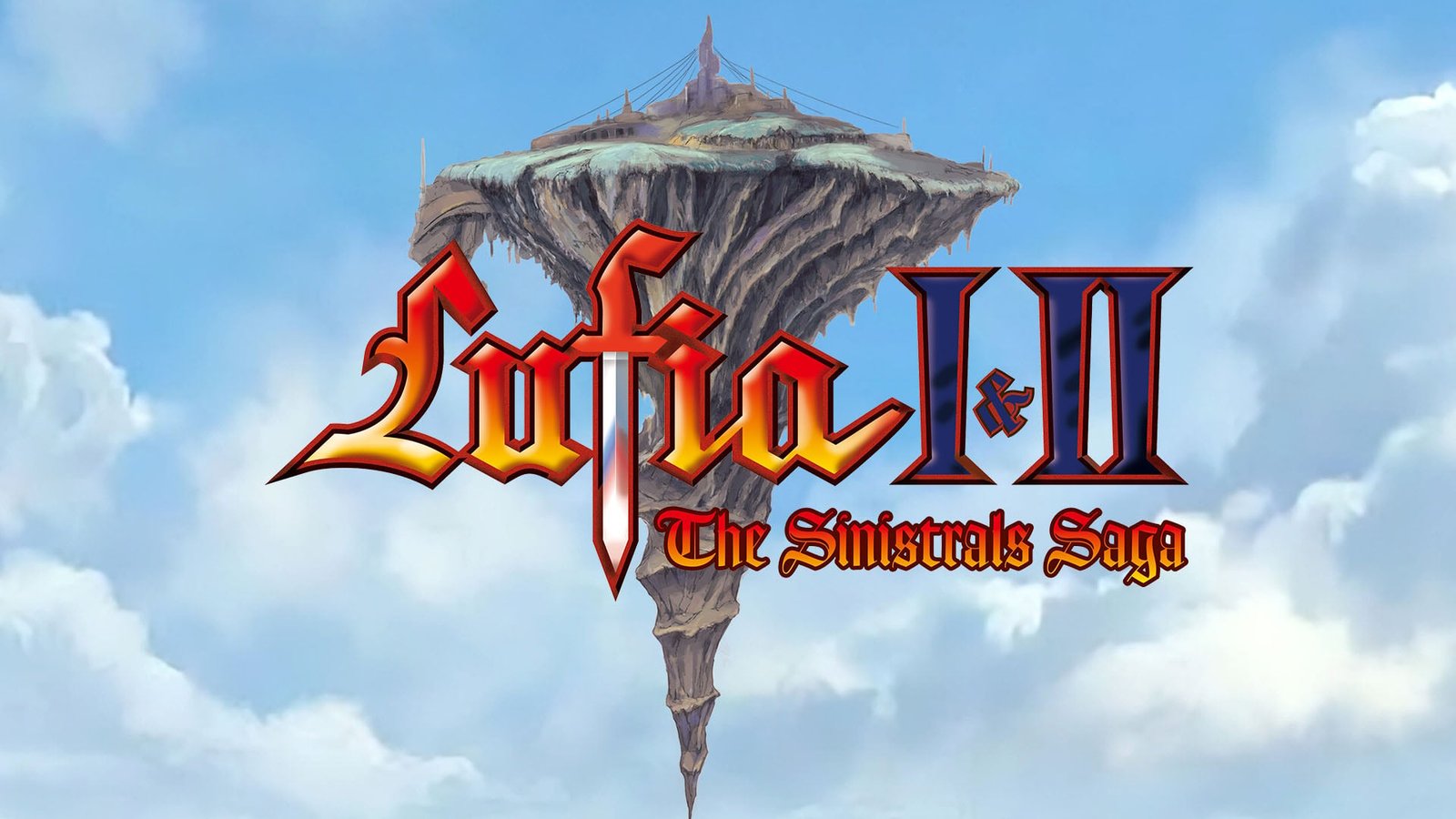
The landscape of classic role-playing games is undergoing a significant transformation as publishers revisit 16-bit era libraries to introduce them to contemporary audiences. Taito has officially confirmed that it is breathing new life into a beloved franchise with the announcement of Lufia I & II: The Sinistrals Saga. This comprehensive collection aims to preserve the integrity of the original titles while implementing technical enhancements tailored for the PlayStation 5, the upcoming Switch 2, the standard Nintendo Switch, and PC via Steam. The collection is currently slated for a 2027 release, with Clear River Games handling the distribution for Western markets.
The Lufia series, originally released during the early-to-mid 1990s, earned a reputation for combining traditional turn-based combat with intricate dungeon design and emotionally resonant narratives. By bundling the first entry, Lufia & the Fortress of Doom, alongside its highly regarded prequel, Lufia II: Rise of the Sinistrals, Taito is positioning this release as the definitive way to experience the complete arc of the Sinistrals saga. The decision to bring these titles to a wide array of hardware marks a strategic shift in how legacy software is archived and distributed for the modern gamer.
Technical Enhancements for Modern Standards
Transitioning legacy software from 16-bit console architectures to modern hardware involves more than simple emulation. The development team is focused on maintaining the original aesthetic of the sprite-based graphics while ensuring that performance remains stable across diverse resolutions. The modern porting process for Lufia I & II includes several quality-of-life features designed to modernize the experience for today’s players.
Among these improvements are customizable resolution scaling and aspect ratio settings, allowing the pixel art to remain crisp on high-definition displays. Additionally, the development team is implementing modernized user interface elements that reduce menu clutter, which was a common constraint of early 90s game design. These updates ensure that players navigating the complex, trap-filled dungeons characteristic of the series can do so without the friction caused by outdated input methods or slow menu transitions. By optimizing the rendering pipelines for current-generation systems, the game will offer a level of fluidity that was previously impossible on original SNES hardware.
The Narrative Scope of the Collection
The collection offers a dual-pronged approach to storytelling that defines the franchise. Lufia & the Fortress of Doom centers on the descendant of a legendary hero, tasked with confronting the Sinistrals—a group of powerful entities threatening the world. This title provides the foundational gameplay mechanics that define the series, including exploration-heavy dungeon crawling and standard turn-based battles.
Conversely, Lufia II: Rise of the Sinistrals acts as a prequel that provides context to the events of the first game. It focuses on the character of Maxim, tracing his transformation from a simple hunter into the legendary figure mentioned in the first installment. This prequel is widely cited for its superior pacing and innovative puzzle-solving mechanics, which required players to utilize items in real-time within dungeons. By including both, the collection allows players to experience the chronological evolution of the lore. The narrative synergy between these two titles is essential, as the events of the prequel directly inform the stakes and emotional weight of the conclusion seen in the first game.
Expanding Reach via Multi-Platform Accessibility
The choice to launch across PlayStation 5, Switch, Switch 2, and PC represents a strategic effort to maximize the accessibility of the collection. The PC release on Steam serves as a primary hub for this archival work, ensuring long-term compatibility for hardware enthusiasts. By utilizing Steam’s infrastructure, the game will benefit from features such as cloud saves and potential controller mapping adjustments, which are standard expectations for modern PC players.
Furthermore, the simultaneous support for Nintendo’s ecosystem—spanning both the existing Switch and the successor console—indicates a commitment to portability. The Lufia series, which thrives on the ability to pick up and play for short durations during dungeon exploration, is uniquely suited for handheld play. By launching on high-performance consoles like the PlayStation 5, the collection also invites players who prefer large-screen displays to enjoy these titles with enhanced stability. This platform strategy effectively bridges the gap between different gaming demographics, from those nostalgic for the original 16-bit experience to new players interested in classic JRPG design.
The Impact of Preservation and Remastering
The release of Lufia I & II: The Sinistrals Saga is indicative of a broader trend in the software industry: the move toward digitized preservation. As original hardware ages and becomes more difficult to maintain, legitimate digital releases ensure that these interactive works of art remain accessible to future generations. Taito’s move to update the code for modern APIs ensures that these games will not be locked behind the constraints of specific, aging hardware generations.
For the industry at large, this project serves as a template for how legacy franchises can be revitalized. By balancing strict adherence to original design principles with necessary backend updates, publishers can provide a product that satisfies both purists and newcomers. The anticipation surrounding the 2027 release suggests that there is a significant appetite for high-quality restorations of classic titles. As development continues, the integration of community feedback and the technical execution of these ports will be watched closely by both fans of the original series and developers interested in the mechanics of software restoration. This project remains a significant milestone in the ongoing efforts to maintain the continuity of gaming history through technological iteration.
Disclaimer: This content is auto-generated for informational purposes only.
Source: Read Original News