






The landscape of consumer audio has long been dominated by household names like Apple and Bose. However, when the conversation shifts from pure music fidelity to the nuanced requirements of voice communication, many users are finding superior performance elsewhere. Recent anecdotal evidence from audio enthusiasts and verified owners suggests that brands such as Anker and Huawei have engineered specific solutions that currently outperform established market leaders in call clarity.
The Rise of Specialized Microphone Systems
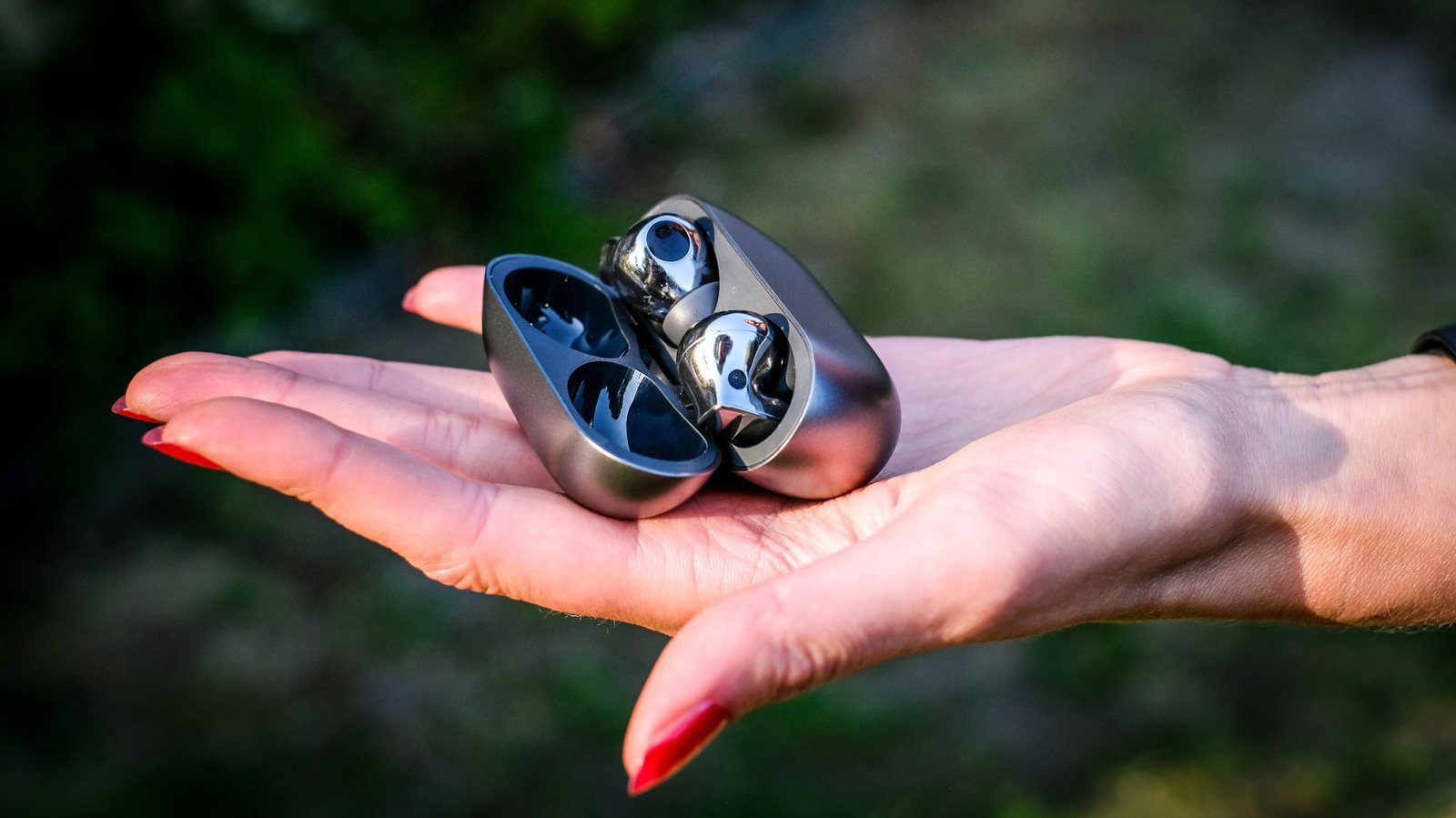
The primary differentiator for these top-performing earbuds lies in how they handle voice isolation in challenging acoustic environments. While premium flagship earbuds from major brands often prioritize active noise cancellation (ANC) for the listener, they do not always match the sophisticated voice-processing stacks found in the Anker Soundcore Liberty 5 Pro or the Huawei FreeBuds Pro 5.
Owners have consistently reported that these models excel in high-noise environments—such as busy city streets, public transportation, or office spaces—where traditional microphone arrays often fail to differentiate between ambient noise and the user’s voice. The effectiveness of these devices is frequently attributed to a combination of multi-microphone arrays and the strategic integration of bone conduction sensor technology. This hardware-level approach ensures that the earbuds rely on more than just software algorithms to separate the speaker from their surroundings.
Understanding Bone Conduction and Voice Pickup
At the core of the call quality offered by these models is a specialized sensor architecture. Unlike traditional microphones that rely solely on capturing sound waves through the air, these devices utilize bone conduction sensors to detect vocal cord vibrations directly through the skin. By monitoring these vibrations, the onboard AI can differentiate the user’s voice from background noise with significantly higher accuracy.
This dual-input method allows the device to construct a clearer profile of the user’s voice, even when ambient decibel levels are high. Huawei has integrated a “bone acoustic sensor” that complements its dual-driver input to feed data into its processing model, while Anker employs a more complex configuration. The Soundcore Liberty 5 Pro utilizes a system featuring eight microphones and two distinct bone conduction sensors. This hardware density provides the AI chip with a massive amount of data, allowing the system to sample noise approximately 400,000 times per second.
Performance Benchmarks in Real-World Use
The technical specifications provided by these companies illustrate why they have gained traction among remote workers and frequent callers. Anker’s processing power allows the Liberty 5 Pro to detect and isolate voices as quiet as 30dB in silent environments, while maintaining the ability to suppress up to 100dB of external background noise. This is an essential feature for professionals who frequently attend meetings while in transit or in public spaces.
Huawei offers a similarly robust performance profile, with a focus on wind mitigation. Their system is capable of filtering out wind noise at speeds up to 22 mph—roughly the speed of a vehicle traveling through a residential zone. This capability addresses a common failure point for many wireless earbuds, which often struggle to maintain vocal clarity when exposed to rushing air or heavy crosswinds.
Accessibility and Availability Considerations
While both products represent the pinnacle of current call-quality technology, potential buyers must consider regional market availability. Anker’s Soundcore Liberty 5 Pro is widely accessible globally and is a standard fixture on platforms like Amazon and the company’s own website. With a price point of approximately $170, these earbuds have earned a reputation as a high-value purchase for those who prioritize communication features.
Conversely, the Huawei FreeBuds Pro 5 face significant distribution hurdles in the United States. Due to ongoing trade restrictions and national security concerns, these products are not readily available through mainstream domestic retailers. For users in North America, the Soundcore Liberty 5 Pro stands as the primary, most accessible choice for those seeking this level of specialized voice processing.
The Shift Toward Intelligent Audio Processing
The success of these models signals a broader industry shift. As remote work and digital communication become permanent fixtures of the modern professional experience, the definition of a “flagship” earbud is evolving. Consumers are moving away from prioritizing brand prestige and toward demanding specific, measurable results in microphone performance and ambient noise suppression.
By prioritizing the integration of bone conduction sensors and dedicated AI-driven signal processing, manufacturers like Anker are establishing a new baseline for what is expected from portable audio hardware. As this technology matures, it is likely that the competitive gap in call quality will widen, forcing other major manufacturers to reconsider their reliance on software-only noise reduction in favor of the hardware-assisted methods that have made the Liberty 5 Pro and similar models a favorite among power users.
Disclaimer: This content is auto-generated for informational purposes only.
Source: Read Original News