






The Evolving Landscape of Industrial Relations in Indian Banking
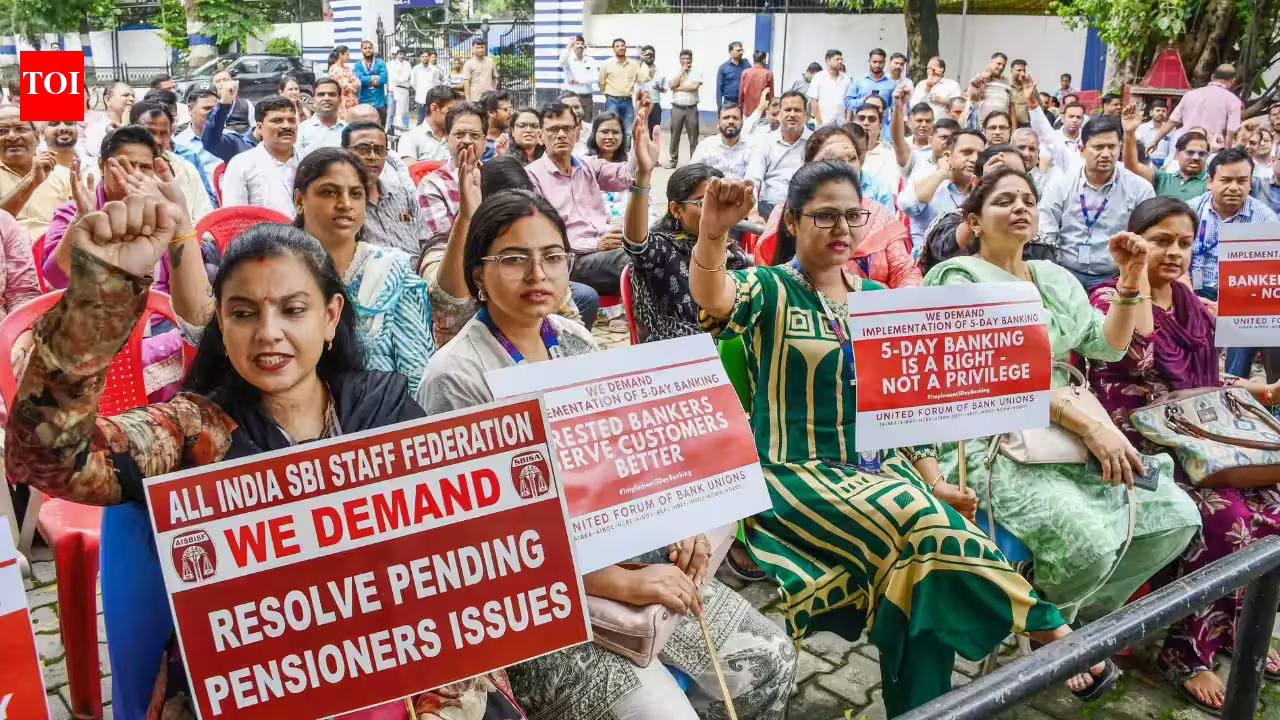
The Indian banking sector stands at a critical juncture where the rapid digitalization of financial services meets the traditional framework of employee labor relations. The recent call for a nationwide strike by the United Forum of Bank Unions (UFBU), scheduled for September 28 to 30, underscores a fundamental tension between the modernization of work practices and the demands of a massive, unionized workforce. As the Finance Ministry urges restraint, citing that significant concessions have already been granted, the situation highlights the complexities of governing the largest employer segment in India’s public sector.
At the heart of the dispute is the persistent demand for a five-day workweek. While corporate offices and the private sector have largely transitioned to a flexible work model, public sector banks operate under a different set of constraints. The government maintains that the banking industry is a backbone for financial inclusion, providing essential services to millions in rural and underserved areas. Consequently, any interruption to branch-based services—particularly during the crucial half-yearly closing window—carries significant implications for the broader economy, including government transactions, trade settlements, and international banking operations.
Economic Implications of Banking Disruptions
The timing of the proposed strike is particularly sensitive for the Indian economy. September 30 marks the half-yearly closing date, a period when banks perform extensive reconciliation, provisioning, and treasury operations. A three-day strike, compounded by the surrounding weekend, effectively halts branch services for a duration that could ripple through the financial system. For businesses, this means delays in critical liquidity management, processing of trade finance instruments, and the finalization of financial books.
From an analytical standpoint, the reliance on physical branches remains a paradox in the age of digital banking. While the government and lenders like the State Bank of India have encouraged the use of UPI, mobile applications, and ATMs to mitigate the impact of such strikes, the reality for a significant portion of the Indian population—particularly in rural zones—is that physical bank branches remain the primary interface for financial activities. When these institutions shut down, the friction in the economy increases, demonstrating that despite the push toward a “less-cash” economy, the physical infrastructure of the banking system remains indispensable for daily economic health.
Government Stance and Welfare Initiatives
In response to the union’s mobilization, the Ministry of Finance has adopted a conciliatory yet firm position. By highlighting the substantial welfare measures already implemented, the government aims to frame the strike as an unnecessary escalation. Key initiatives cited include the successful recruitment of approximately 4.82 lakh employees between fiscal years 2014-15 and 2025-26, which has significantly bolstered the staffing levels in public sector banks. As of July 1, the vacancy rates for officer and subordinate staff positions stand at impressively low levels, suggesting that the government has been proactive in addressing the workload concerns that frequently plague the banking sector.
Furthermore, the government has pointed to recent upward revisions in pay scales, the establishment of higher staff welfare funds, and improved transparency in transfer and promotion policies. By keeping the Performance Linked Incentive (PLI) scheme in abeyance to allow for further discussion, the government has signaled a willingness to prioritize dialogue over unilateral implementation. These actions indicate an effort to align the interests of the workforce with the institutional requirements of productivity and efficiency. The ongoing negotiations for the next Bipartite Settlement, set for November 2027, represent a structured channel meant to institutionalize these reforms without resorting to industrial action.
Digital Transformation and the Shift in Service Delivery
The push for a five-day workweek highlights a broader cultural shift within the banking workforce. Employees are increasingly seeking a work-life balance that matches the standards set by the global corporate environment. However, the government’s concern regarding a five-day workweek is rooted in the mandate for universal service. Unlike private entities, public sector banks are the primary vehicles for government schemes, direct benefit transfers, and financial literacy campaigns in remote geographies.
The move toward a 24/7 digital ecosystem is intended to fill the gaps created by branch downtime, yet this transition is not instantaneous. Banks are investing heavily in upgrading their digital backends to ensure that essential services like UPI and internet banking remain operational regardless of staff strikes. This duality—a highly digital front end managed by a heavily unionized, labor-intensive back end—is a unique feature of the Indian banking sector. The resolution of the strike will likely depend on whether the government can offer a compromise on the five-day workweek that includes robust digital service safeguards to protect the common consumer.
Strategic Outlook for Stakeholders
For investors, businesses, and the general public, the current climate of industrial unrest serves as a reminder of the necessity for contingency planning. Major banks have already begun issuing advisories, urging customers to conduct high-priority transactions before the strike begins. This highlights a transition toward self-reliance among bank customers, who are increasingly conditioned to expect potential service interruptions and thus adapt their financial behavior accordingly.
In the long term, the sustainability of the Indian public sector banking model will hinge on successful labor negotiations that do not sacrifice operational output. The government’s assertion that it remains open to dialogue is a strategic move to maintain stability while avoiding a precedent where labor demands consistently supersede the operational continuity of essential financial services. The challenge ahead lies in balancing the workforce’s demand for better working conditions with the overarching requirement for a resilient, always-available financial grid.
As the industry moves toward November 2027 for the next major Bipartite Settlement, the effectiveness of the current dialogue-based approach will be closely watched. If the government can successfully negotiate the five-day workweek while ensuring that digital service channels remain unfettered, it could establish a new framework for industrial harmony in the public sector. Conversely, if the cycle of strikes continues, it may accelerate the push for further privatization or even deeper digital automation, which would fundamentally alter the structure of the banking workforce itself. For now, the imperative remains clear: maintain the delicate balance between employee welfare and the uninterrupted functioning of an economy that is growing in complexity and global integration.
Disclaimer: This content is auto-generated for informational purposes only.
Source: Read Original News