









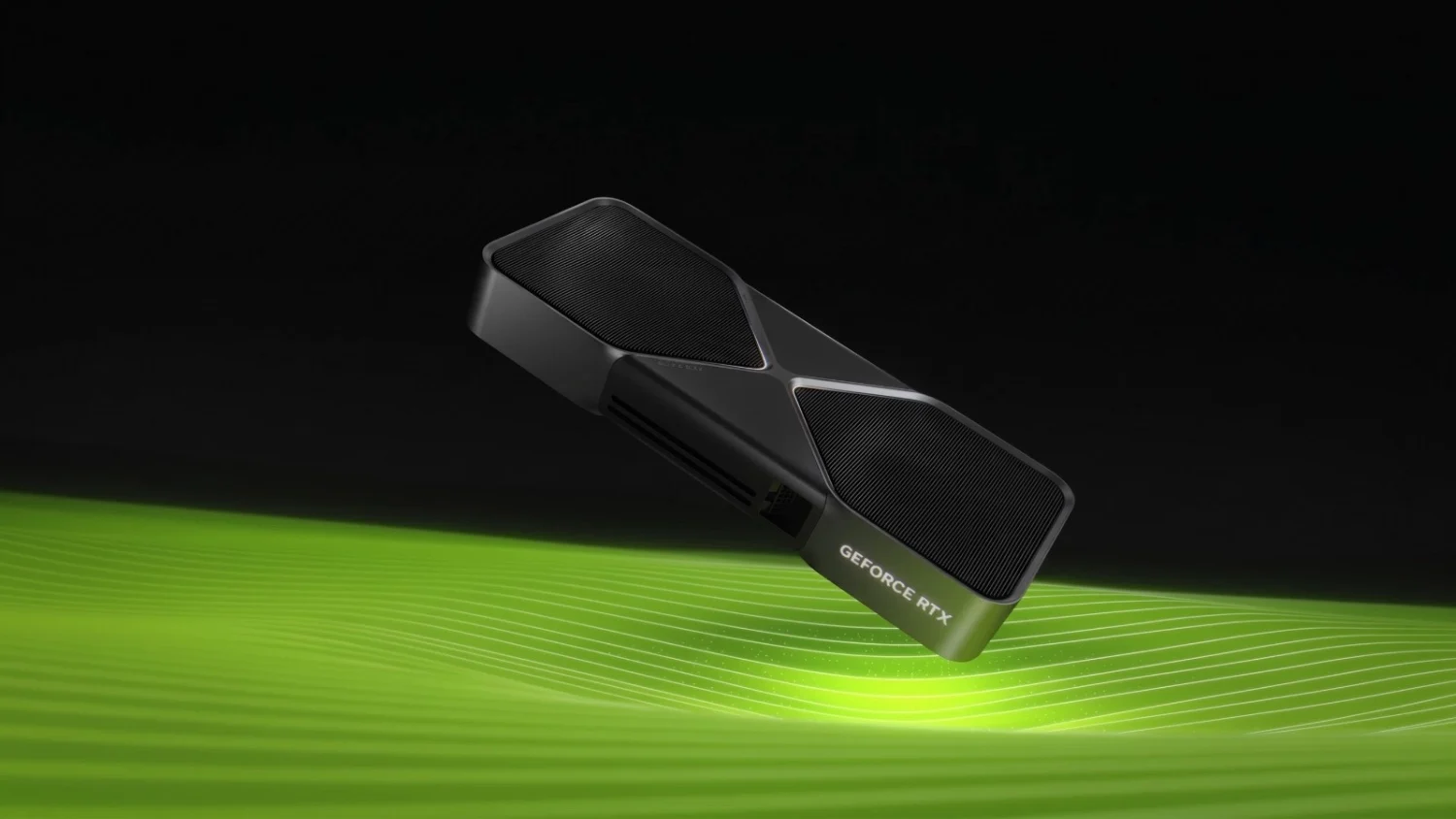
NVIDIA’s long-standing tradition of a two-year release cadence for its GeForce consumer graphics cards appears to be coming to an end. Emerging reports suggest that the company’s next-generation GPU family, the highly anticipated RTX 60 series, has been delayed until 2028.
The shift was first signaled by prominent industry leaker kopite7kimi on X, who confirmed that the launch timeline for next-gen GeForce products has slipped. Given that the RTX 50 “Blackwell” series only debuted at CES 2025, a 2028 release would create a three-year gap between generations—a significant departure from the 24-month cycle gamers have relied upon for the past decade.
This news contradicts earlier rumors, including reports from Moore’s Law Is Dead, which had previously suggested a possible H1 2027 release window. However, the lack of substantial, specification-heavy leaks regarding the RTX 60 family—and NVIDIA’s persistent silence on the architecture—lends significant weight to the new 2028 projection.
Industry analysts point to a clear divergence in NVIDIA’s priorities. While the consumer roadmap faces delays, the company’s data-center division continues to operate at a breakneck, near-annual pace. At GTC earlier this year, NVIDIA confirmed that the seven chips forming the “Vera Rubin” platform were already in production, following a rapid succession of Blackwell and Blackwell Ultra releases.
The driving force behind this imbalance is simple economics. According to NVIDIA’s Q2 earnings report, the data-center segment now accounts for a staggering 92.5% of the company’s total revenue. In a market constrained by global memory shortages and limited production capacity at TSMC, NVIDIA is clearly prioritizing its vastly more lucrative AI hardware over consumer-facing gaming cards. With front-end and packaging facilities at capacity, the company is opting to allocate its most advanced manufacturing resources to the AI sector, where demand remains insatiable and profit margins are significantly higher.
The delay may also ripple across the broader PC gaming ecosystem. Reports indicate that AMD might be following a similar trajectory, with most of its next-generation RDNA 5 graphics cards also reportedly pushed toward a 2028 launch. While AMD’s rumored “AT2” chiplet—slated to power Microsoft’s upcoming, efficiency-focused “Project Helix” console—might arrive sooner due to specific, long-term console development requirements, it does not guarantee a concurrent arrival for desktop Radeon products.
For enthusiasts waiting for the next leap in gaming performance, the prospect of a three-year wait comes at a difficult time. With GPU prices already at record highs and premium cards often costing thousands of dollars, the lack of new hardware is unlikely to ease the financial pressure on gamers looking for an upgrade. For now, the hardware landscape appears to be entering a period of prolonged stability, dictated entirely by the insatiable growth of the artificial intelligence industry.
Disclaimer: This content is auto-generated for informational purposes only.
Source: Read Original News