





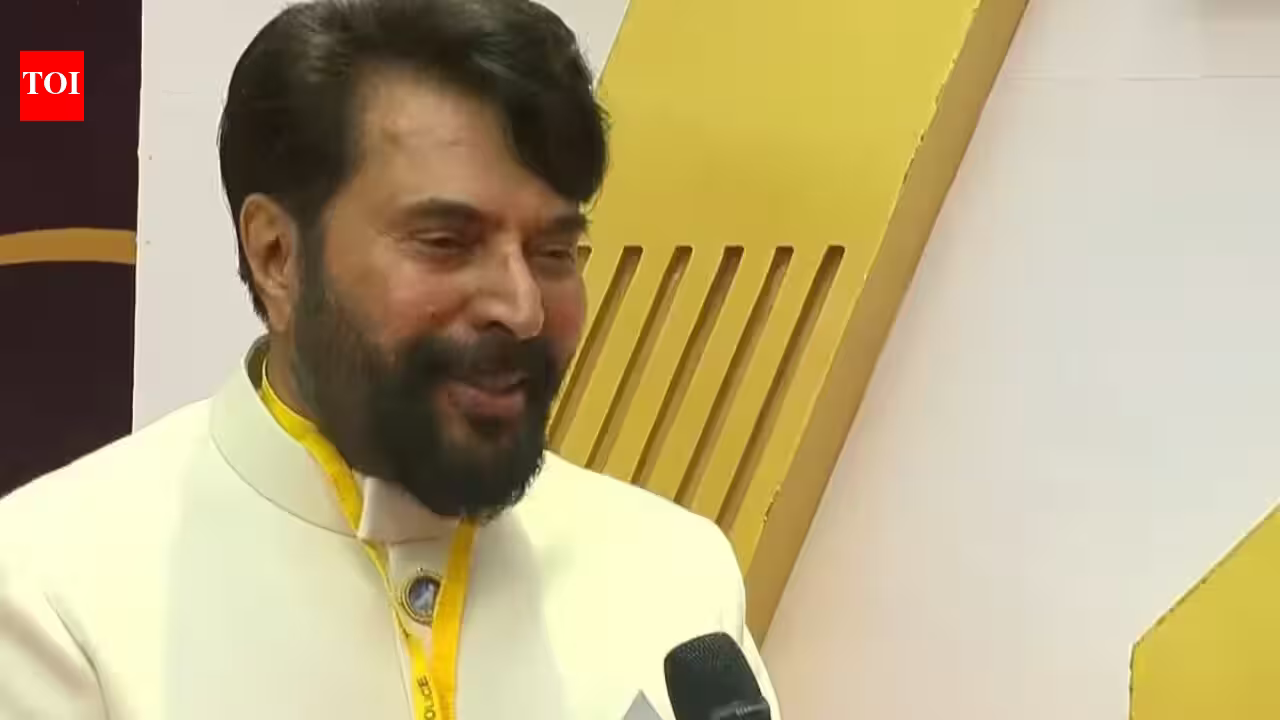
There are few constants in the rapidly shifting landscape of Indian cinema. Trends come and go, genres rise and fall, and faces flicker across the screen only to fade into the background. Yet, for over five decades, one man has remained an immovable pillar of artistic integrity: Mammootty. As he stepped onto the red carpet at the 72nd National Film Awards, cutting a sharp, refined figure in an immaculate white suit, he wasn’t just collecting another trophy for his mantle. He was validating a career built on the relentless pursuit of perfection.
Securing his fourth National Film Award for Best Actor for his bone-chilling performance in Bramayugam, Mammootty proved once again that he is not merely a star—he is an institution. Sharing the podium with Kartik Aaryan, who earned accolades for his own transformation in Chandu Champion, the veteran Malayalam icon stood as the elder statesman of the industry, offering a masterclass in humility that felt just as profound as his on-screen work.
A Legacy Written in Gold and Grit
To understand the weight of this fourth win, one must look past the glitz of the ceremony and into the decades of work that preceded it. Mammootty’s journey is not just a success story; it is a blueprint for longevity in an industry notoriously unkind to aging stars. When he spoke to the press on the red carpet, his words carried the weight of a man who knows exactly what it took to get there.
“It’s an inspiration to every performer to get recognised by the nation,” he told reporters, his voice steady and reflecting a deep sense of gratitude. “Luckily, I’m very fortunate to have my fourth National Award for Best Actor. It’s been a long journey with a lot of people behind me—my directors, my writers, my co-actors, and my producers.”
In an age where social media noise often drowns out substance, Mammootty remains a throwback to an era where the work spoke for itself. He doesn’t chase the spotlight; the spotlight simply knows better than to ignore him.
The Promise of the Infinite Performer
Perhaps the most striking aspect of Mammootty’s victory is his refusal to treat it as a curtain call. While many of his contemporaries have opted for the comfort of retirement or the predictability of cameos, the 73-year-old actor speaks with the hunger of a newcomer.
When asked about his future, his commitment to his craft was unwavering. “I’m very happy that I could entertain them for such a long time, and I hope that I can do it more, more and more times,” he said. “I can only assure you that I’ll be working very hard to be there.”
This is not the standard boilerplate statement an actor gives to appease the press. With Mammootty, these words land differently. His recent filmography—a daring run of experimental, dark, and challenging roles—suggests that he is entering what many critics are calling his “second prime.” He is not resting on the laurels of his past; he is actively dismantling his own screen image to find new, darker, and more complex shadows to inhabit.
Decoding the Magic of ‘Bramayugam’
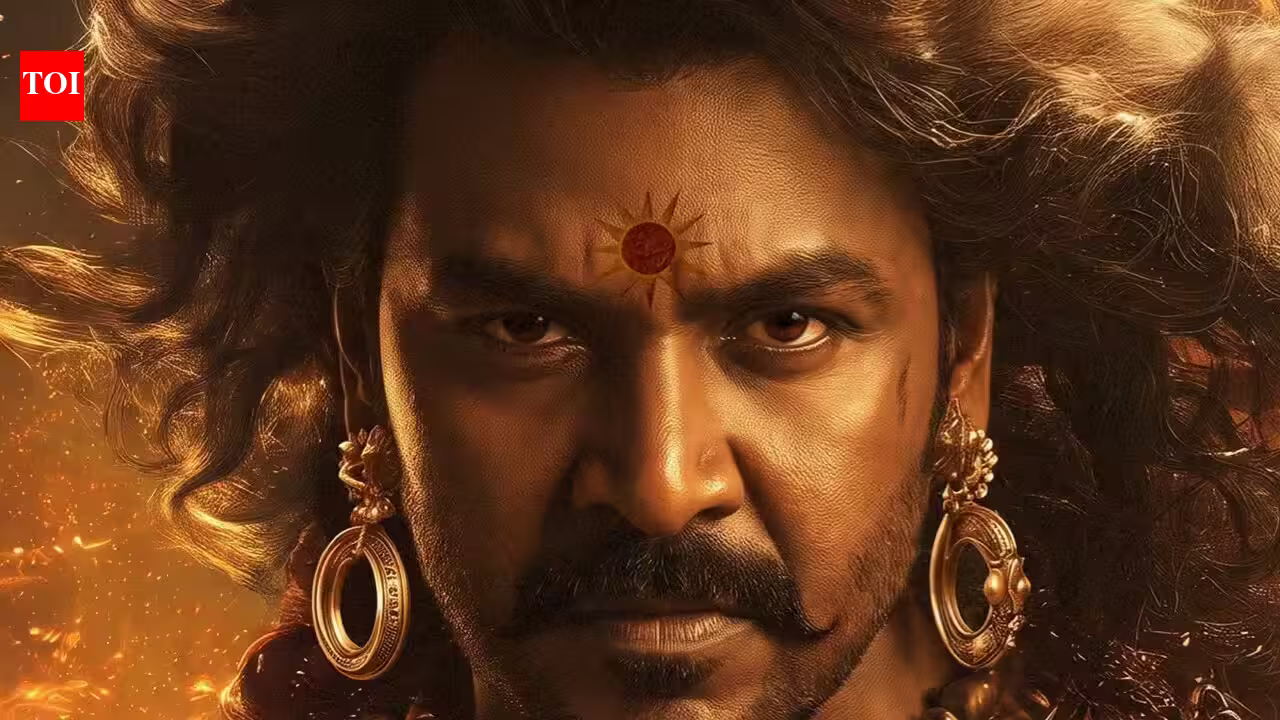
The catalyst for this latest recognition is undoubtedly Bramayugam. In Rahul Sadasivan’s atmospheric, black-and-white folk horror film, Mammootty took on the role of Kodumon Potti, a performance that felt like a descent into madness.
The film is a stark departure from the typical “hero-centric” narratives that dominate the box office. By opting for a monochromatic visual palette and a script that thrives on dread and ambiguity, Mammootty challenged his audience to look past the star and engage with the shadow. When discussing his process, he kept it simple: “I choose the script, then the role.”
It is this prioritization of the narrative over the ego that sets him apart. He spoke glowingly of the technical departments, specifically the makeup and cinematography teams, who helped mold the grotesque and hypnotic visage of Kodumon Potti. For an actor of his stature to deflect praise toward the hair-and-makeup artists and the cameramen is a testament to his collaborative spirit. He understands that a great performance is a composite effort, a realization that seems to have escaped many of his peers.
The Evolution of an Icon
As we reflect on this fourth win, it is worth noting that Mammootty is not just winning awards; he is winning the generational debate. In an era where younger audiences are increasingly turning to global cinema, Mammootty has managed to remain relevant by being arguably the most experimental actor in India today.
From the subtle, aching vulnerability of Nanpakal Nerathu Mayakkam to the chilling, malevolent presence in Bramayugam, he is constantly pivoting. He doesn’t play “the hero” anymore; he plays the human condition in all its messy, complicated, and often terrifying forms.
Beyond the Statue
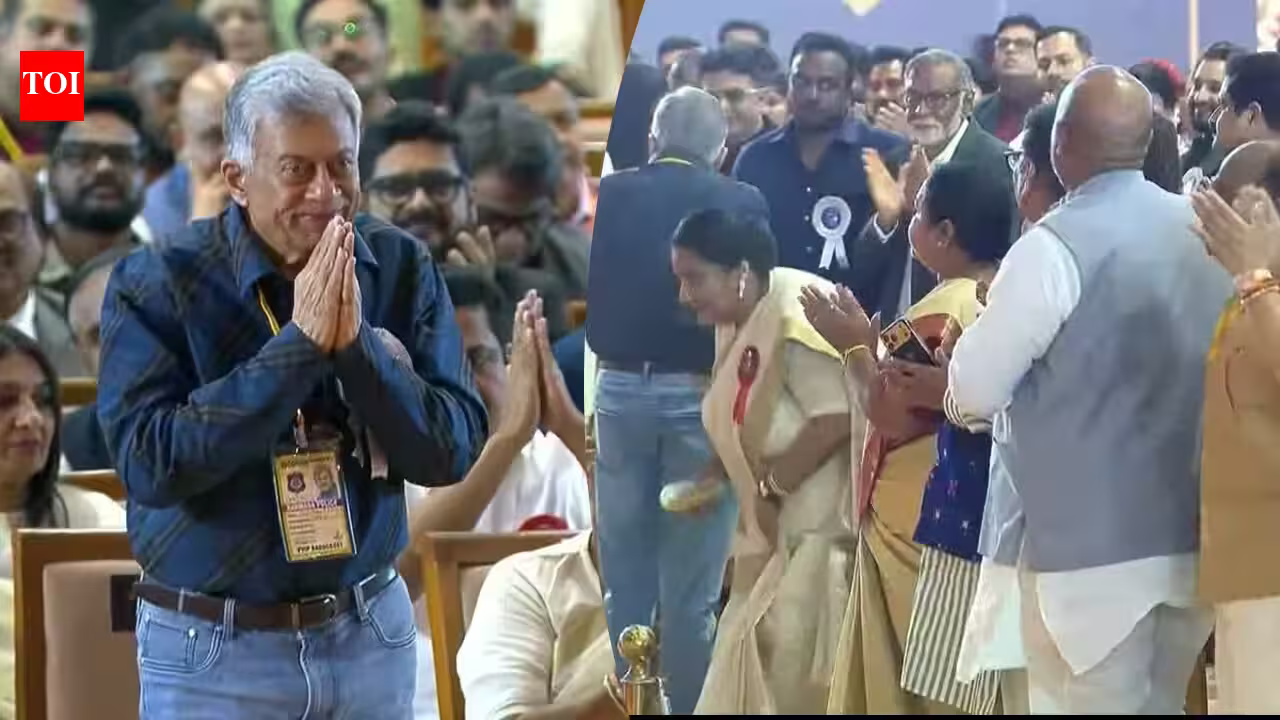
Watching President Droupadi Murmu present him with the award was a reminder of why the National Film Awards matter. In a cinematic culture often obsessed with the opening weekend gross, this recognition serves as a recalibration. It reminds the audience that storytelling is an art form that requires patience, risk-taking, and the courage to look ugly, old, or villainous for the sake of the narrative.
Mammootty has done it all. He has been the romantic lead, the action hero, the tragic figure, and now, the master of the macabre. As he walked off the stage, clutching his trophy, he didn’t look like a man at the finish line. He looked like a man who had just cracked a new code. For the fans who have followed his evolution from the 1970s to the present, one thing is certain: the “Mammootty Magic” isn’t waning. If anything, it’s only just beginning to get interesting. He isn’t just an actor anymore; he is our permanent link to the idea that, regardless of how much time passes, the best performance is always the one that is yet to come.
Disclaimer: This content is auto-generated for informational purposes only.
Source: Read Original News