








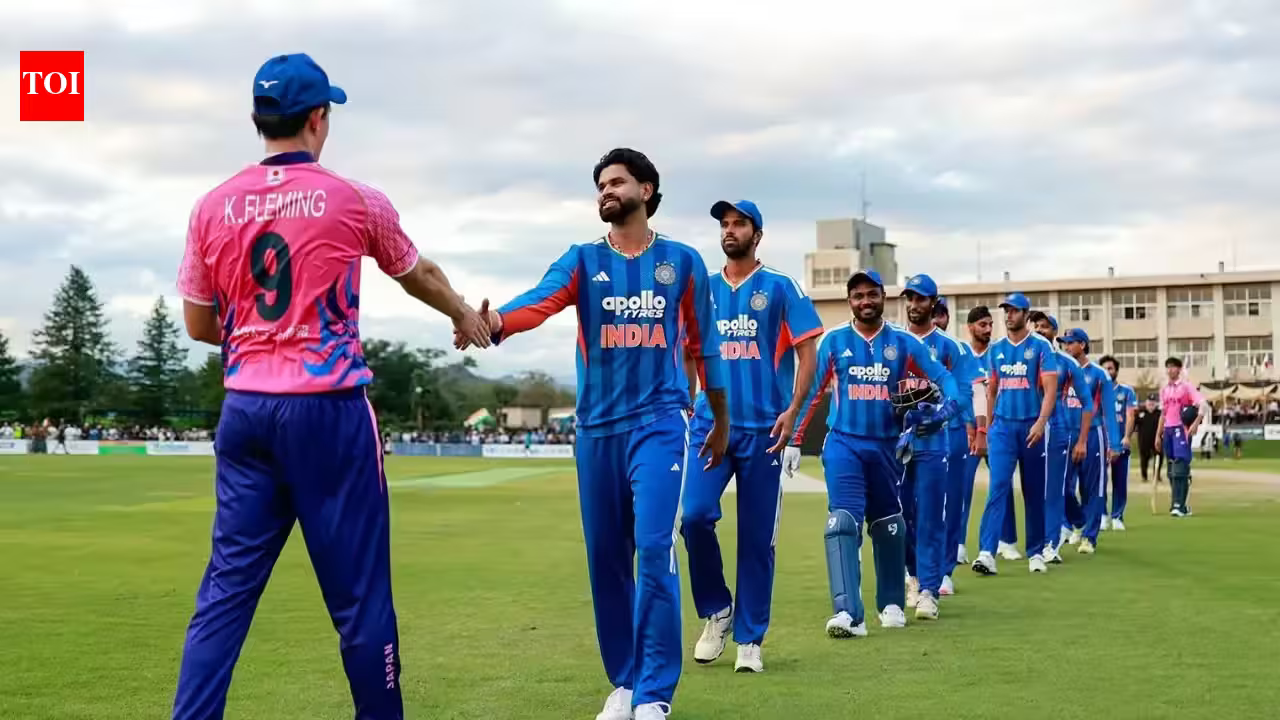
CRICKET’S UNLIKELY FRONTIER: Japan’s fascination with the willow and the leather is reaching a fever pitch at the Asian Games, marking a historic chapter for a sport that has spent over a century lurking in the shadows of the Land of the Rising Sun. While the Indian men’s team recently survived a heart-stopping, rain-shortened five-over thriller against Japan—a match that showcased the raw intensity of the sport—the real victory may be happening off the pitch, where a nation of baseball purists is being introduced to the complexities of cricket through tactical precision and educational outreach.
## A Legacy of 163 Years Finally Finds Its Footing
Cricket in Japan is not entirely new; the first recorded match was played 163 years ago in the port city of Yokohama. However, for over a century, the sport remained a niche curiosity, failing to capture the national imagination in a country dominated by baseball, football, and sumo. Today, the Japan Cricket Association counts roughly 7,300 registered players—a modest 0.00593% of the population.
Yet, the atmosphere at Korogi Sports Park tells a different story. As the host of the cricket competition for these Asian Games, Japan is treating the sport with the same methodical, tech-savvy approach it applies to its industrial prowess. Organizers are leaving nothing to chance, ensuring that the local audience isn’t left in the dark when a bowler charges in or a batter clears the rope.
## Simplifying the Complex: The ‘Ready Reckoner’
The brilliance of the promotion lies in its simplicity. Upon entering the venue, spectators are handed a carefully curated leaflet designed to demystify the game. These guides act as a visual “ready reckoner,” breaking down the intricate nuances of cricket into bite-sized, digestible content.
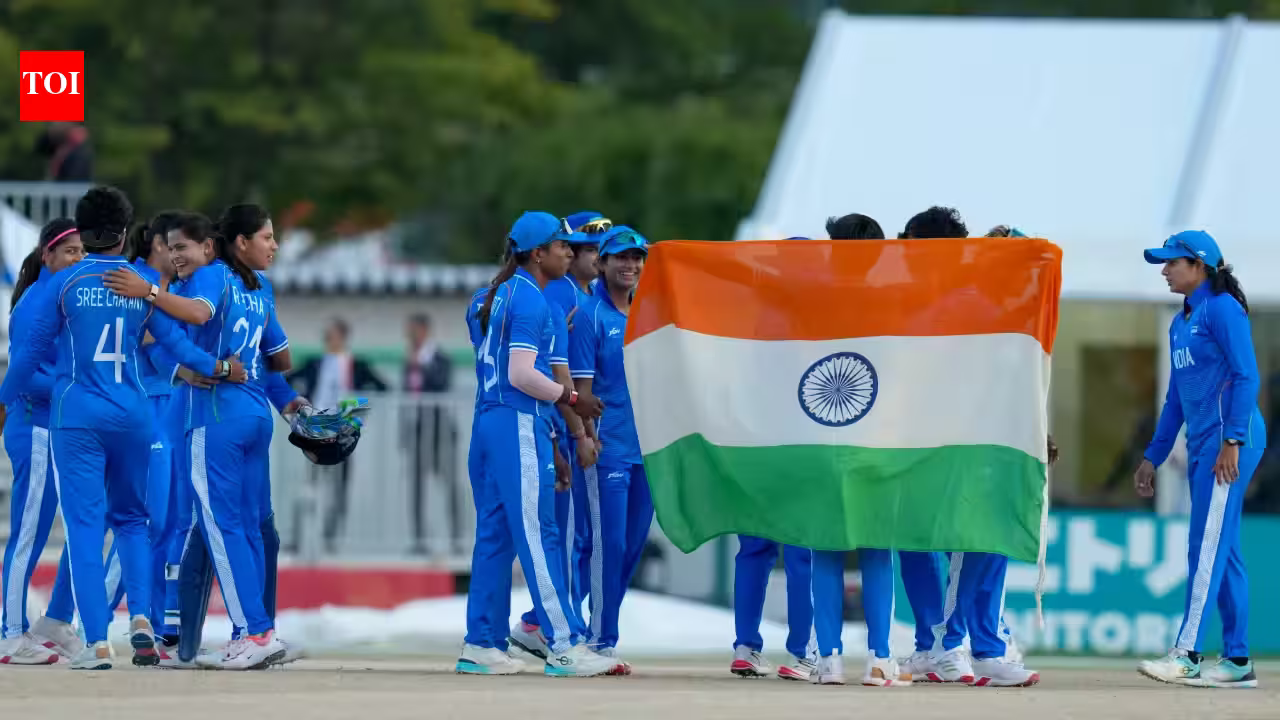
The leaflets explain everything from the standard eleven-player setup and fielding positions to the cryptic hand signals of the umpires. To help bridge the cultural gap, the materials even utilize comparative illustrations, placing the dimensions of a cricket field against the familiar layouts of football and baseball pitches. This has proven vital for fans like Hinata Sato, a local baseball mother who attended the women’s final with her 10-year-old son, Yuto.
“We have watched videos about cricket,” Sato noted, standing in the stands of the makeshift stadium. “My son wanted to watch it live, and the ready reckoner helped him relate to what was happening on the ground. Cricket is really catching up in Japan.”
For Yuto and his generation, the visuals are turning confusion into engagement, transforming cricket from a baffling foreign pastime into an accessible, tactical battle that feels surprisingly familiar to fans of baseball.
## Beyond the Pitch: The Culinary Crusade
While the action on the field has been electrifying—culminating in nail-biting finishes like India’s narrow escape against the hosts—the life of an athlete in Japan comes with its own set of unique challenges. For the Indian contingent, the transition to Japanese life has been a whirlwind of cultural immersion, rain-slicked pitches, and a persistent search for a taste of home.
While some athletes have been treated to the hospitality of cruise-ship accommodations offering familiar Indian cuisine, others staying in local hotels have found themselves navigating the labyrinth of Nagoya’s dining scene. For vegetarian athletes, this has been an arduous, sometimes humorous, and often frustrating endeavor.
“Hum ghaas-phoos khane wale ka struggle bahut hai!” (The struggle for those of us who eat grass and shrubs is real!) one athlete admitted, referencing the difficulty of finding meat-free options in a city where broth and fish-based stocks are ubiquitous.
The language barrier has added another layer of complexity. “Most restaurants have a non-veg odour that doesn’t agree with me. Language is a huge problem. When you ask for food without meat, they don’t understand,” the athlete explained.
However, the camaraderie of the international sports community has provided a lifeline. After hitting dead ends at several local establishments, a few dedicated Indian restaurants in the area have stepped up. According to the athletes, these local business owners have been more than just providers of food—they have become essential allies, offering their personal contact details and delivering hot, home-style meals at a moment’s notice.
## The Bigger Picture
As the Asian Games continue, the image of fans reading pamphlets to decipher an LBW decision, juxtaposed against the backdrop of athletes scouring the streets for vegetarian dal, paints a vivid picture of the modern global sporting landscape. Cricket is no longer just a sport confined to the Commonwealth; it is an export, a cultural conversation, and a challenge to be conquered.
Whether Japan becomes a cricket-loving nation overnight is debatable, but the seeds have been sown. Through sheer effort, education, and the occasional bowl of Indian curry in a Japanese alleyway, the sport is finding its own unique path to growth. For the thousands currently cheering on their teams at Korogi Sports Park, one thing is certain: they aren’t just watching a match—they are witnessing the birth of a new sporting tradition.
Disclaimer: This content is auto-generated for informational purposes only.
Source: Read Original News