





AICHI-NAGOYA — The quest for gold will have to wait, but the history books have been updated. India’s men’s badminton team concluded their campaign at the 2026 Asian Games with a hard-fought bronze medal, following a 3-1 defeat to perennial powerhouses China in a tense semifinal showdown on Wednesday.
While the result mirrors the disappointment of the final in Hangzhou three years ago, this latest podium finish marks a significant milestone for Indian badminton. By securing bronze in Aichi-Nagoya, the team has achieved the remarkable feat of clinching back-to-back Asian Games team medals for the first time in four decades—a drought that stretched all the way back to the golden era of the mid-1980s, specifically the 1982 and 1986 editions.
A Stormy Start in Aichi
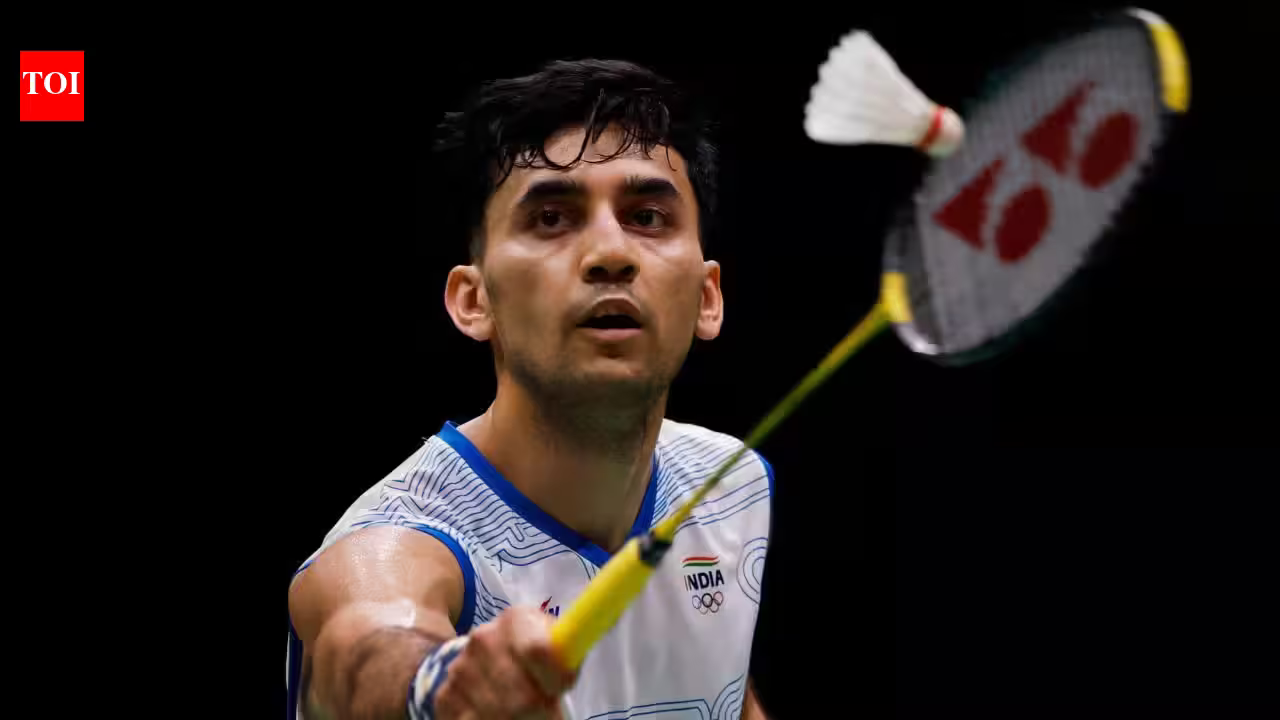
The tie began with the highly anticipated opening singles clash between Indian star Lakshya Sen and China’s formidable Shi Yu Qi. Expectations were high for Sen, who has consistently pushed the boundaries of the world rankings, but the Chinese veteran displayed clinical precision from the opening rally. Shi Yu Qi neutralized Sen’s aggressive net play, stifling the Indian’s rhythm and securing a straight-games victory to put China ahead 1-0.
With the pressure mounting, the onus fell on the world-class duo of Satwiksairaj Rankireddy and Chirag Shetty to restore parity. Facing the reigning World Championship gold medalists, Liang Weikeng and Wang Chang, the Indian pair delivered a masterclass in tactical doubles badminton.
Rankireddy and Shetty were electric, dictating the pace with thunderous smashes and lightning-fast reflexes at the net. They dismantled the Chinese defense in the opening game 21-11. The second game proved to be a grueling battle of attrition, but the Indian pair held their nerve under immense pressure to close it out 22-20, leveling the tie at 1-1 and sending a clear message that India would not go down without a fight.
The Chinese Wall Returns
Despite the momentum swing provided by the doubles victory, China’s immense depth proved to be the deciding factor. In the second singles match, Ayush Shetty stepped onto the court against Li Shifeng. While the Indian youngster showcased grit, particularly in a tightly contested first game, Li Shifeng’s experience shone through. The Chinese shuttler absorbed the pressure to win 21-19, 21-13, regaining the lead for his nation and placing India on the brink of elimination.
For India, the task was clear: win the second doubles match to force a decider or bow out of the tournament. The responsibility rested on the shoulders of Hariharan Amsakarunan and MR Arjun. The pair started slowly, conceding the first game 21-16, but they demonstrated true championship spirit by mounting a spirited comeback to take the second 21-17.
However, the final game revealed the brutal reality of competing against a titan like China. As fatigue set in and the Chinese pair intensified their aggressive approach, the Indian duo struggled to keep pace, ultimately falling 21-9 in the deciding game. The 3-1 aggregate scoreline officially ended India’s pursuit of the final, but the team walked away with their heads held high.
Legacy Secured: A Historic Achievement
Reflecting on the tournament as a whole, the bronze medal serves as a testament to the surging strength of Indian men’s badminton. In an era dominated by the East Asian juggernauts, India has firmly established itself as a consistent podium contender.
The significance of this result cannot be overstated. After the 1982 and 1986 bronzes, the Indian men’s team faced a long, arid stretch in the continental competition. Breaking that 40-year pattern of inconsistency is a massive psychological hurdle overcome by the current generation of players. This bronze is not merely a consolation; it is an affirmation of the structural growth of the sport within the country, supported by the continued excellence of stars like Rankireddy and Shetty, and the rising potential of players like Ayush Shetty and the wider squad.
As the team prepares to depart Aichi-Nagoya, they do so with a piece of hardware that validates their grueling training cycles and tactical evolutions. China moves on to fight for gold, but India leaves with the pride of knowing they have rewritten their history and cemented their place among the badminton elite on the world’s most competitive stage.
Disclaimer: This content is auto-generated for informational purposes only.
Source: Read Original News