





In Ghana, the debate surrounding the future of the gold mining sector has taken a critical turn, with experts arguing that the success of initiatives like GoldBod must be measured by more than just trade volume and economic output. In a recent opinion column published by MyJoyOnline, Dr. Selorm Awumey emphasizes that the true impact of gold industry reform should be evaluated through the lens of human health, environmental sustainability, and the long-term well-being of mining communities.
For decades, Ghana has grappled with the complexities of its gold industry, which serves as a vital economic engine but often at a steep cost to the environment and public health. GoldBod, a key player in the nation’s efforts to formalize and regulate gold mining, is currently being positioned as a potential catalyst for positive change. Dr. Awumey argues that the initiative’s value lies in its ability to foster responsible sourcing, enhance the traceability of gold, and support the transition of artisanal and small-scale miners into the formal economy.
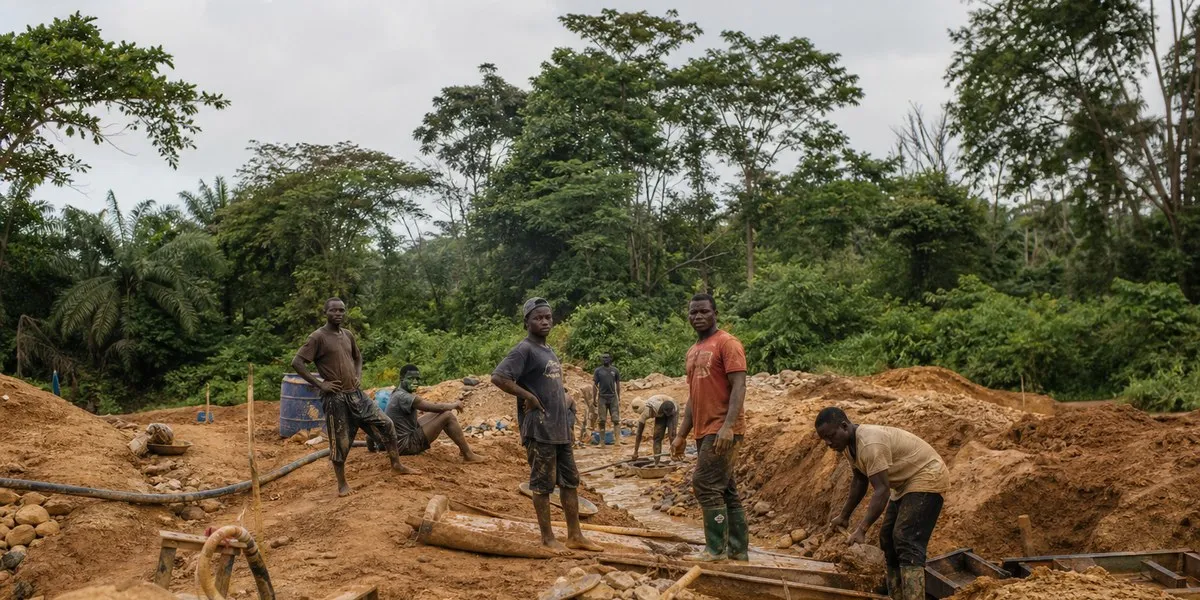
However, the discourse suggests that these administrative and financial goals are insufficient on their own. The “seductive metal,” as gold is often called, has long been associated with the galamsey crisis—a term used in Ghana for illegal, small-scale mining. This issue, Dr. Awumey asserts, is not merely a matter of law enforcement. It is fundamentally a problem of socioeconomic development, governance, and human security. Because gold mining represents a primary source of income for rural families living in areas where formal employment remains scarce, the objective of policy reform should not be to punish these prospectors, but to facilitate a transformation toward safer, regulated, and more productive working conditions.
The environmental and human health risks associated with poorly managed mining operations remain severe. Workers and community residents are frequently exposed to hazardous conditions, including high concentrations of dust, toxic chemicals used in extraction processes, and dangerous, uncovered excavation pits. Beyond the immediate danger to miners, the broader landscape suffers from widespread degradation. The pollution of local waterways and the destruction of forests have ripple effects that extend far beyond the mine sites, undermining local agriculture, fishing industries, and the biodiversity necessary for ecological resilience. Furthermore, the contamination of water sources directly threatens the basic human rights and health of households that rely on these streams for their daily needs.
To achieve genuine success, Dr. Awumey proposes that GoldBod’s effectiveness must be assessed by tangible, localized improvements. This includes the implementation of rigorous safety standards for miners, the protection and restoration of contaminated waterways, and the active reclamation of land damaged by mining activity. In this view, the “Gold Shore” can only be considered healthier if the governance of its resources results in lower rates of illegal and environmentally destructive extraction, alongside measurable improvements in the living conditions of the communities that inhabit the mining regions.
As Ghana continues to refine its approach to resource management, the call for a more holistic evaluation framework highlights a growing consensus among environmental observers: national economic indicators are insufficient metrics for progress if they do not account for the health of the land and the people. The path forward, according to these experts, lies in a balanced strategy that integrates trade traceability with social responsibility, ensuring that the wealth extracted from the earth does not come at the expense of the country’s future.
Disclaimer: This content is auto-generated for informational purposes only.
Source: Read Original News