







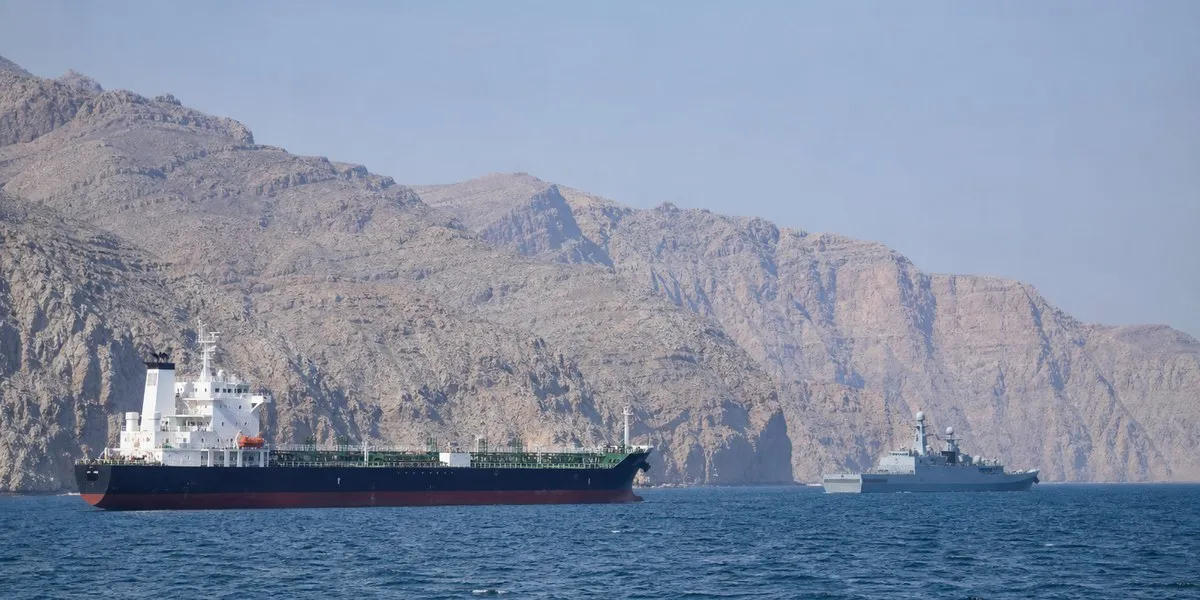
Indian Seafarer Killed in Attack on MV Cape Dao Near Strait of Hormuz
A violent attack on the Antigua and Barbuda-flagged cargo vessel MV Cape Dao has resulted in the tragic death of an Indian national, marking yet another escalation in the volatile maritime corridor near the Strait of Hormuz. The vessel, which was en route to India, was struck just 2.5 nautical miles off the coast of Oman, triggering an emergency response from the Omani navy.
Following the assault, which reports from the Forward Seamen’s Union of India (FSUI) suggest involved two torpedoes, the Omani authorities successfully evacuated 27 crew members. Among those on board were 19 Indian nationals. The Indian Ministry of External Affairs has officially confirmed that the deceased victim was an Indian citizen, and the Indian Embassy in Muscat is currently working in close coordination with Omani officials to ensure the safety and wellbeing of the remaining crew.
Global Tensions and Market Volatility
The incident occurred during a period of extreme geopolitical friction in the Middle East. Only hours before the attack, U.S. President Donald Trump, while addressing the United Nations General Assembly, issued a stern ultimatum to Iran, demanding a resolution to ongoing tensions or facing the threat of total annihilation.
The security breach has sent shockwaves through global energy markets. International oil prices, which had seen some fluctuations earlier in the day, climbed sharply following the news of the attack. By mid-morning on September 23, West Texas Intermediate (WTI) for November delivery had risen to $90.64 per barrel, while Brent crude was trading at $100.34. The volatility underscores the critical importance of the Strait of Hormuz, a vital artery for global oil and gas transport that has remained largely compromised since the onset of the regional conflict in February.
Call for Enhanced Maritime Protection
The attack on the MV Cape Dao has reignited intense debate regarding the safety of civilian seafarers in the region. The FSUI has voiced deep concerns over the vulnerability of merchant sailors, calling for immediate protective measures, including the deployment of Indian naval escorts to safeguard vessels transiting the area.
The maritime environment remains increasingly hostile. According to International Maritime Organization (IMO) data, this latest strike marks the 85th confirmed incident since the Middle East war began earlier this year, with the total number of seafarer fatalities now climbing past 20.
As the U.S. and Iran continue to engage in high-stakes diplomacy—reports indicate recent talks involved figures such as Steve Witkoff and Jared Kushner representing the U.S. side—the maritime theater continues to be the primary site of confrontation. With Iran asserting its intent to maintain influence over the region’s critical transit points and the United States enforcing counter-blockades, the risk to commercial shipping remains at an all-time high. The global maritime community is now watching closely to see how the Indian government and international stakeholders will respond to this latest loss of life and the continued threat to freedom of navigation.
Disclaimer: This content is auto-generated for informational purposes only.
Source: Read Original News