






Private Fuel Retailers Impose Diesel Rationing Amid Global Market Volatility
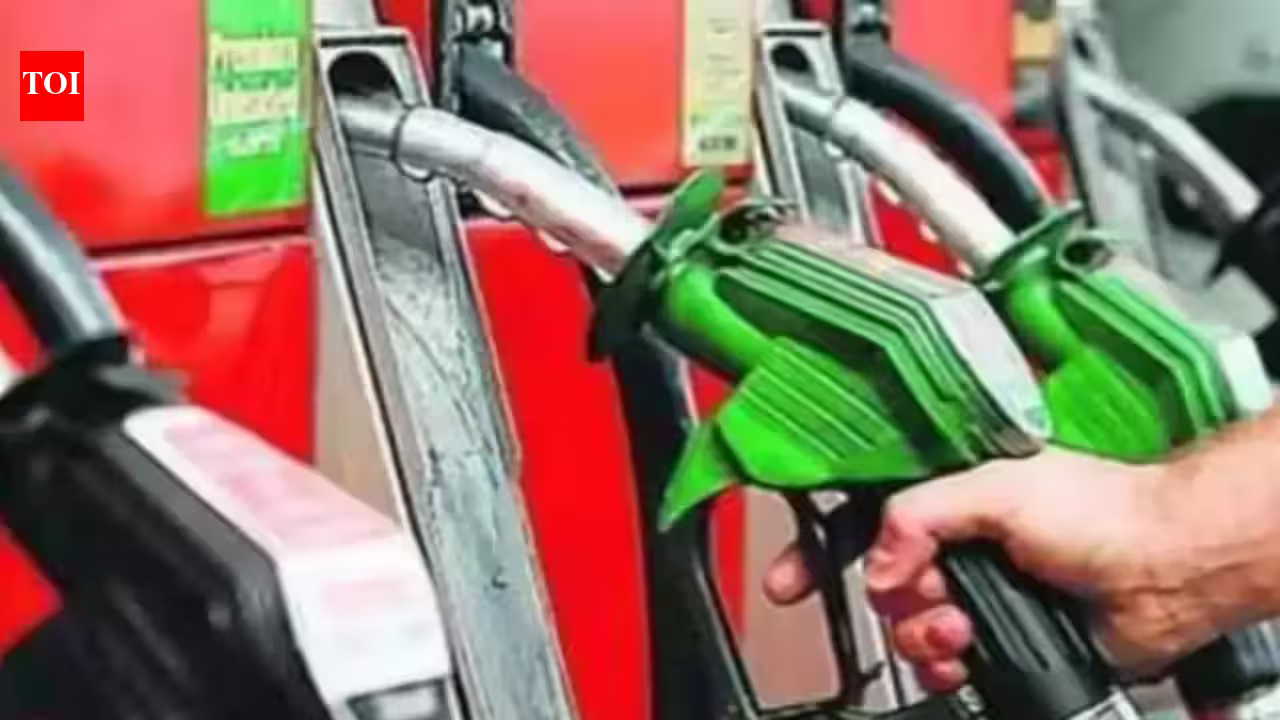
NEW DELHI: As geopolitical tensions in West Asia continue to cast a shadow over global energy markets, private fuel retailers in India have begun implementing rationing measures for diesel. The move, triggered by soaring crude oil prices and supply chain uncertainties, has prompted some private chains to place strict limits on the quantity of fuel available to consumers at their retail outlets.
While the fuel sector faces these challenges, government officials and state-owned enterprises have moved to reassure the public. Major public sector oil marketing companies (OMCs)—namely Indian Oil Corporation (IOCL), Hindustan Petroleum Corporation Ltd (HPCL), and Bharat Petroleum Corporation Ltd (BPCL)—have categorically stated that there are no such restrictions in place at their network of petrol pumps. Given that these three entities manage nearly 90% of the country’s vast network of over one lakh fuel stations, the overall impact on the average consumer is expected to be minimal.
Impact on Private Retail Networks
Despite the stability offered by public sector outlets, the experience for those utilizing private fuel stations has shifted in recent days. Several outlets belonging to Jio-BP, a joint venture between Reliance Industries and bp, have confirmed that they have received internal directives to streamline distribution. Customers at these locations are now being restricted to a maximum purchase of 50 litres of diesel per transaction. Furthermore, these specific retail sites have been assigned a total daily sales cap of 6,000 litres.
Similar measures have been observed at retail stations backed by Nayara Energy, which is supported by Russian oil giant Rosneft. Dealers operating under the Nayara brand reported that they have implemented variable caps on diesel sales, with transaction limits ranging between 70 and 200 litres depending on local inventory levels and regional demand.
Implications for Long-Haul Transport
The primary concern regarding these rationing measures is the potential disruption to the logistics and transport sector. Long-haul commercial vehicles, such as heavy-duty trucks and interstate transport buses, often require significantly more fuel than a standard passenger vehicle to complete their routes.
Industry analysts warn that these caps could create operational bottlenecks, particularly in remote or geographically isolated regions where the density of fuel stations is significantly lower. For transporters accustomed to “tank-filling” at reliable stops, the sudden shift toward transaction limits may necessitate adjustments to their refueling schedules or force drivers to make additional stops at public sector pumps, potentially leading to increased transit times.
Global Context and Supply Constraints
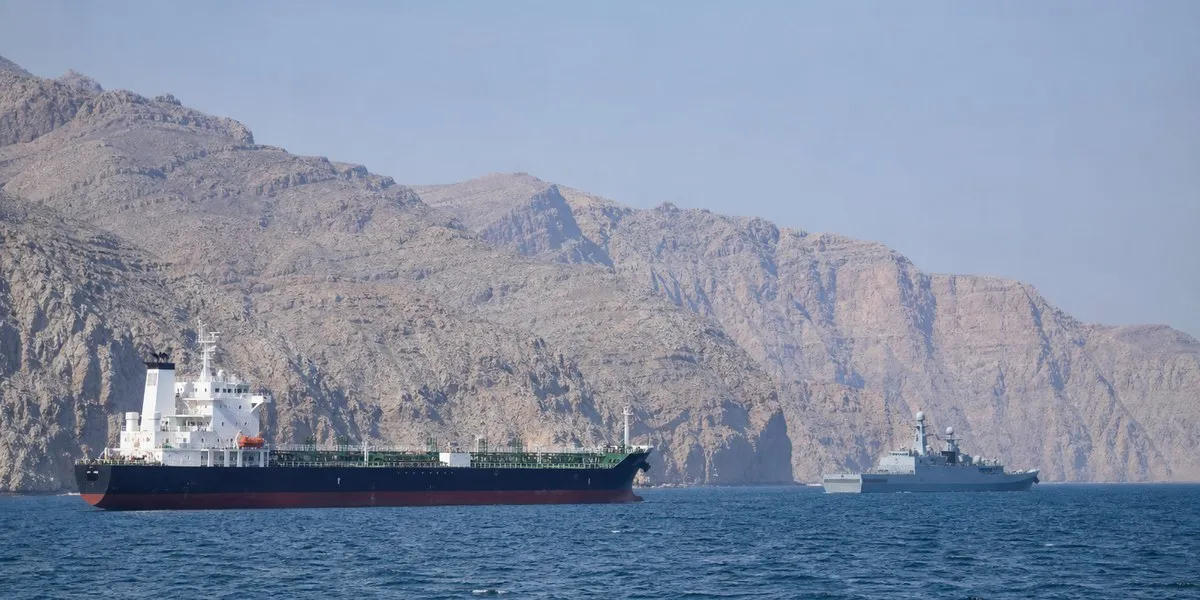
The current energy market volatility is being attributed largely to the ongoing conflict in West Asia, a region that serves as a critical artery for global crude oil supplies. The resulting instability has created a ripple effect, forcing fuel retailers to manage their existing inventories more cautiously to avoid stock-outs.
Market experts suggest that as long as crude oil prices remain elevated and supply chains remain pressured by regional instability, private retailers may continue to exercise caution. However, the robust presence of state-run oil companies—which maintain steady supply lines—remains the primary safeguard preventing widespread fuel shortages across the country. For now, the situation remains fluid, with industry stakeholders closely monitoring global developments for any signs of de-escalation that could stabilize fuel procurement costs.
Disclaimer: This content is auto-generated for informational purposes only.
Source: Read Original News