







Anticipating the iOS 27.0.1 Patch
The release of a major operating system version is often a significant milestone for both developers and users. With the recent rollout of iOS 27, Apple introduced a broad suite of enhancements, ranging from advanced artificial intelligence capabilities in Siri to improved ecosystem connectivity. However, the complexity of modern smartphone software means that even the most rigorous beta testing phases occasionally miss subtle implementation errors that only surface once the software reaches the global user base.
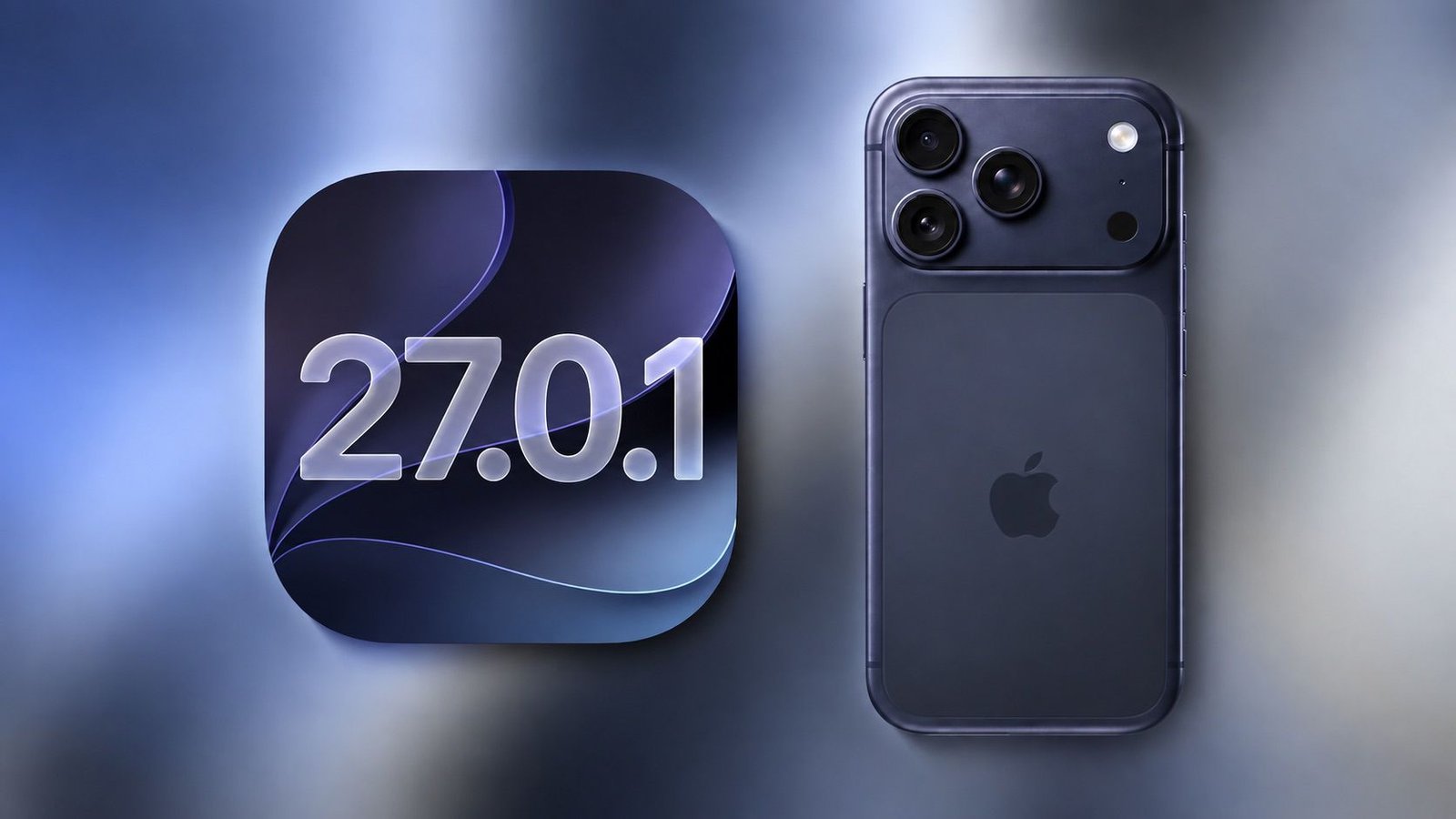
Evidence from internal logs suggests that Apple is already actively testing iOS 27.0.1, a maintenance release intended to address early-cycle software bugs. These minor “dot” updates are a standard component of the software development lifecycle, serving as a rapid response mechanism to stabilize the platform shortly after a major deployment. While the specific contents of the update remain unconfirmed by official documentation, historical patterns indicate that this version will prioritize system stability, performance refinements, and critical security hardening.
Addressing Emerging Face ID Hardware Challenges
One of the primary drivers behind the rapid development of iOS 27.0.1 appears to be performance irregularities discovered within the iPhone 18 Pro. Shortly after the new hardware reached consumers, reports surfaced regarding inconsistent behavior in the Face ID authentication system. For many users, this has manifested as recognition delays or intermittent failures to unlock the device, suggesting a potential synchronization issue between the newly updated biometric sensor firmware and the iOS 27 codebase.
By prioritizing these fixes, Apple aims to maintain the high standard of user security and accessibility that Face ID requires. Because facial recognition is central to the iPhone experience—governing everything from device access to secure financial transactions via Apple Pay—resolving these inconsistencies is a high priority. Users can expect the upcoming update to include specific calibration adjustments or driver patches designed to improve the reliability of the depth-sensing array and the neural engine processing that drives biometric authentication.
Wider Ecosystem Stability and Synchronization
The necessity for updates like iOS 27.0.1 is often dictated by the broader Apple ecosystem. Simultaneously, the company has released watchOS 27.0.1 for the Apple Watch Series 12 and Apple Watch Ultra 4, highlighting a coordinated effort to stabilize devices that interact closely with the latest iPhone software. This watchOS patch addresses a critical issue involving unexpected restarts, ensuring that wearables maintain a consistent connection with their host smartphones.
This cross-platform approach is vital for the functionality of features introduced in the latest update, such as the new iPhone Handoff capability. This feature allows users to fluidly transition active tasks and phone number usage between multiple iPhones. For this level of inter-device communication to function correctly, both the primary OS and the underlying framework must be optimized for background synchronization. Consequently, the iOS 27.0.1 update likely contains background process improvements that ensure handoff and cloud-based data handshakes remain reliable during high-load scenarios.
Managing Post-Launch Software Infrastructure
The rapid deployment of a secondary patch is a strategic move to preserve brand reliability during the initial weeks of a new device rollout. Following the launch of the iPhone 18 Pro and the introduction of advanced AI-driven features in iOS 27, the volume of data and variety of usage patterns increase exponentially. Engineers analyze diagnostic logs submitted by users to identify bottlenecks or memory management issues that were not visible in smaller-scale testing environments.
Beyond immediate bug fixes, these updates often include optimization for battery efficiency. Major OS upgrades frequently cause temporary battery drain as background indexing processes and AI learning algorithms finish their initial calibration. A follow-up release such as 27.0.1 often refines these resource-heavy background tasks, allowing the processor to return to an idle state more efficiently. This not only extends daily usage duration but also reduces the heat output that some users experience during the first few days of a new operating system installation.
Strategic Deployment and User Impact
As Apple prepares the final build of iOS 27.0.1, the focus remains on delivering a seamless transition for the millions of users who recently migrated to the current platform. While minor updates may not feature the flashy interface redesigns or headline features found in the primary version of iOS 27, their impact on the overall longevity and usability of the device is substantial. By addressing the teething issues of the iPhone 18 Pro’s Face ID and stabilizing the interaction between interconnected devices, this update functions as a foundational support layer.
Users should expect a notification regarding the availability of this update via the Settings app in the coming days or weeks. When the update becomes available, it is recommended to ensure the device is backed up via iCloud or a local computer before installation. This standard procedure ensures that the transition to the more stable 27.0.1 environment remains smooth, allowing the full feature set of iOS 27—including the enhanced Siri capabilities and cross-device functionality—to operate as intended without the interference of early-release technical anomalies. For those currently navigating the complexities of the new system, this upcoming patch serves as the final refinement for a comprehensive mobile experience.
Disclaimer: This content is auto-generated for informational purposes only.
Source: Read Original News