








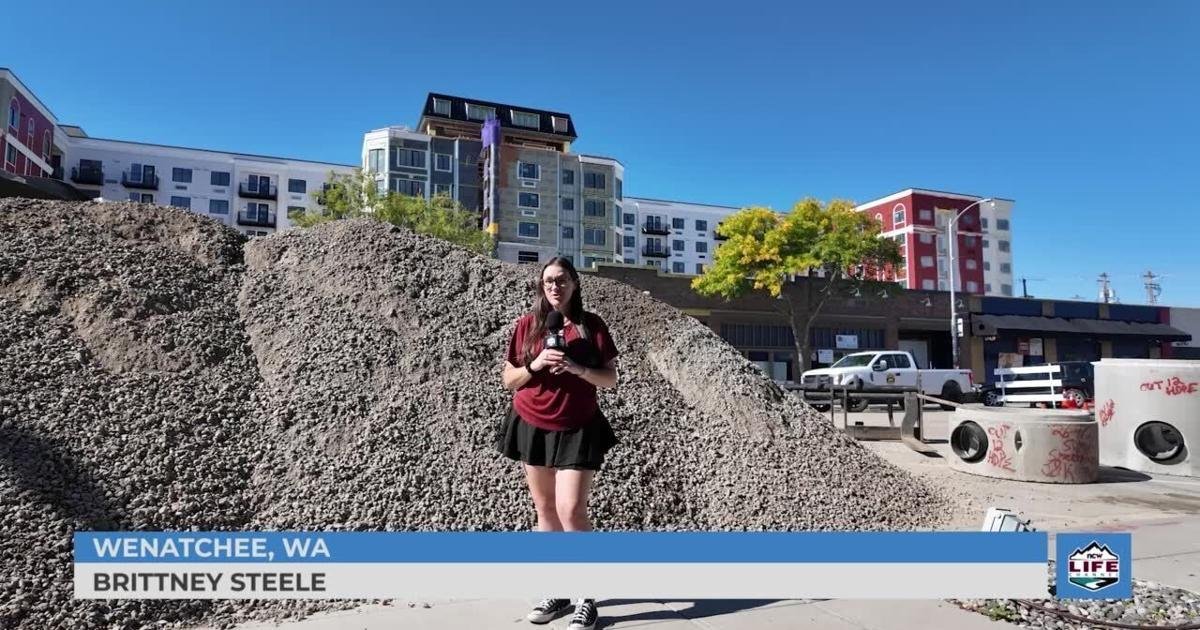
The ongoing construction of a major apartment complex in downtown Wenatchee has become a focal point of local frustration, illustrating a growing tension between urban development and the immediate needs of established small businesses. While the cranes and scaffolding dominate the skyline, the project serves as a stark reminder of how physical infrastructure projects often struggle to integrate with the digital-first expectations of modern commerce.
## Digital Visibility vs. Physical Reality
For local business owners, the disruption caused by the construction goes beyond mere noise and dust; it fundamentally alters the way customers discover and interact with their shops. In an era where Google Maps and local search discovery dictate foot traffic, the physical barriers created by construction zones can lead to a significant “digital-physical” disconnect.
When construction crews reroute traffic or block sidewalks, real-time data on platforms like Google Maps—which relies on user reports and location intelligence—often lags behind. Business owners have reported that prospective customers, misled by outdated navigation or frustrated by the inability to find nearby parking, simply reroute their day. For small retailers, this translates to a tangible drop in revenue. The challenge highlights the importance of businesses keeping their Google Business Profiles updated with precise attributes—such as alternative parking entrance instructions—to mitigate the impact of physical site changes.
## AI and Local Economic Planning
The Wenatchee situation mirrors a broader trend seen across the tech industry: the struggle to bridge the gap between AI-driven urban logistics and ground-level reality. Google’s ongoing advancements in AI and computer vision aim to make urban navigation more seamless, using satellite imagery and real-time sensor data to better predict congestion. However, these tools still struggle with the granular, day-to-day volatility of small-scale construction projects.
Technologists are currently exploring how generative AI can help municipal planners communicate more effectively with local businesses. By integrating construction permits with live data feeds, AI-driven platforms could theoretically push real-time alerts to local stakeholders, helping them manage delivery schedules and customer expectations. While these technologies are maturing, the current frustration in Wenatchee suggests that the human element of construction management—communication and accessibility—remains an area where sophisticated algorithms cannot yet fully substitute for old-fashioned community engagement.
## The Future of “Smart” Downtowns
As Wenatchee looks toward the completion of the new complex, the conversation is shifting toward what a “smart” downtown should look like. Integrating new residential density into a historical commercial district requires more than just blueprints; it requires a digital strategy that supports local commerce throughout the transition.
Google’s evolving ecosystem of tools, from its sophisticated Google Search algorithms to localized advertising, offers a potential lifeline for affected businesses. By leveraging geo-targeted ads or updated “Updates” features on their Google Business Profiles, shop owners are finding ways to notify their loyal base that they are indeed “open for business” despite the construction walls.
The ordeal in Wenatchee serves as a microcosm of the modern urban experience. As residential developments rise, they inevitably bring change that complicates the established order. Yet, as companies like Google continue to refine the way the world navigates its surroundings, the hope is that digital tools will eventually minimize the friction of growth. Until then, business owners in Wenatchee remain locked in a balancing act, navigating a landscape where physical construction and digital discovery rarely move at the same speed. For now, the resilience of these entrepreneurs is being tested—not just by the jackhammers and detour signs, but by the ongoing challenge of staying visible in a world that is increasingly navigated through a screen.
Disclaimer: This content is auto-generated for informational purposes only.
Source: Read Original News