








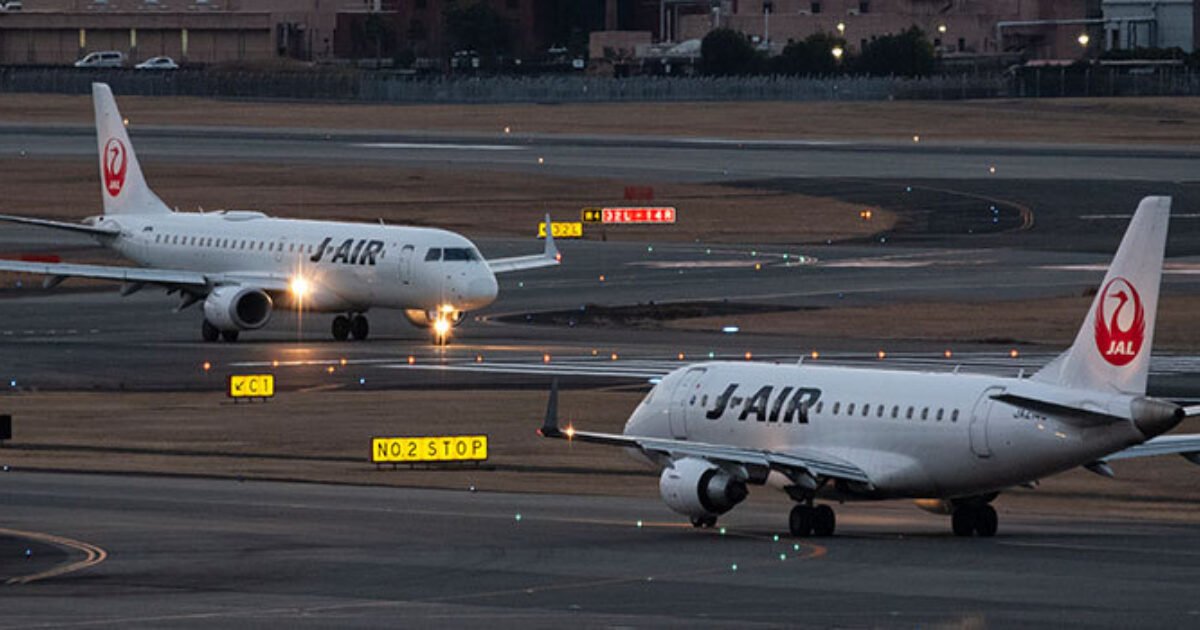
Embraer has solidified its long-standing partnership with Japan Airlines (JAL) by announcing a multi-year extension of its signature Pool Program. The agreement, finalized during a trade event in Singapore, ensures that J-Air—the regional subsidiary of JAL—will continue to receive comprehensive maintenance, repair, and logistical support for its fleet of 32 E170 and E190 aircraft.
This renewal marks a pivotal moment for the two companies, who have been collaborating on E-Jet operations since 2008. By utilizing Embraer’s Pool Program, J-Air effectively offloads the complexities of inventory management to the original equipment manufacturer (OEM), ensuring that the carrier can focus on its core mission of providing reliable regional connectivity across Japan.
## Enhancing Operational Resilience Through Data and Logistics
The core of the Embraer Pool Program is designed to minimize the “ground time” that plague regional airlines. Under the arrangement, Embraer manages a rotable inventory of critical components, allowing J-Air to access spare parts on-demand rather than funding and warehousing their own massive stock of individual components.
While the specific logistics regarding part locations or turnaround time guarantees were not disclosed, such programs are increasingly reliant on sophisticated supply chain management technology. In the broader aviation industry, manufacturers are increasingly turning to advanced AI-driven predictive analytics to anticipate component failure before it happens. By analyzing historical repair data and real-time aircraft performance metrics, companies like Embraer can optimize their inventory levels, ensuring that the right part is available at the right regional hub exactly when it is needed. This proactive approach is a significant shift from traditional reactive maintenance models, effectively leveraging digital twins and data modeling to ensure the high 99.8% service reliability rate that Embraer currently reports for the J-Air fleet.
## Expanding the Asia-Pacific Support Ecosystem
The extension of this contract serves as a testament to Embraer’s growing footprint in the Asia-Pacific region, a market where the manufacturer has been active for over four decades. Today, over 15 airlines across seven countries in the region rely on Embraer’s regional jet technology.
To support this fleet density, Embraer has invested heavily in a localized aftermarket infrastructure. This includes a robust Regional Distribution Centre boasting over $120 million in inventory, alongside a network of authorized service centers and localized simulation training facilities. The integration of these resources acts as a force multiplier for airlines; by maintaining local inventory, Embraer can significantly reduce the lead times associated with importing parts, a critical necessity in an era where global supply chain volatility remains a lingering challenge for the aerospace industry.
## The Future of Aftermarket Technology
The partnership between JAL and Embraer reflects a broader trend in the tech-integrated aviation sector. Airlines are increasingly seeking “Support-as-a-Service” models, which mirror the subscription-based shifts seen in the software and cloud computing industries. By centralizing component repair and supply through the manufacturer, operators like JAL can utilize the OEM’s global visibility to mitigate the risks associated with aging fleets and component shortages.
As Embraer continues to refine its service support, the integration of better diagnostic tools and automated inventory tracking systems remains a high priority. These technological advancements, combined with physical support structures, provide the necessary framework for airlines to maintain the high safety standards that Yuta Kawaguchi, executive officer at JAL Engineering, highlighted as the primary objective of the renewal. As the aviation industry leans further into the digital age, the marriage of mechanical reliability and sophisticated logistics software will remain the defining feature of successful carrier-manufacturer relationships worldwide.
Disclaimer: This content is auto-generated for informational purposes only.
Source: Read Original News