







Google Health 5.09 Introduces Advanced Health Guardian Features
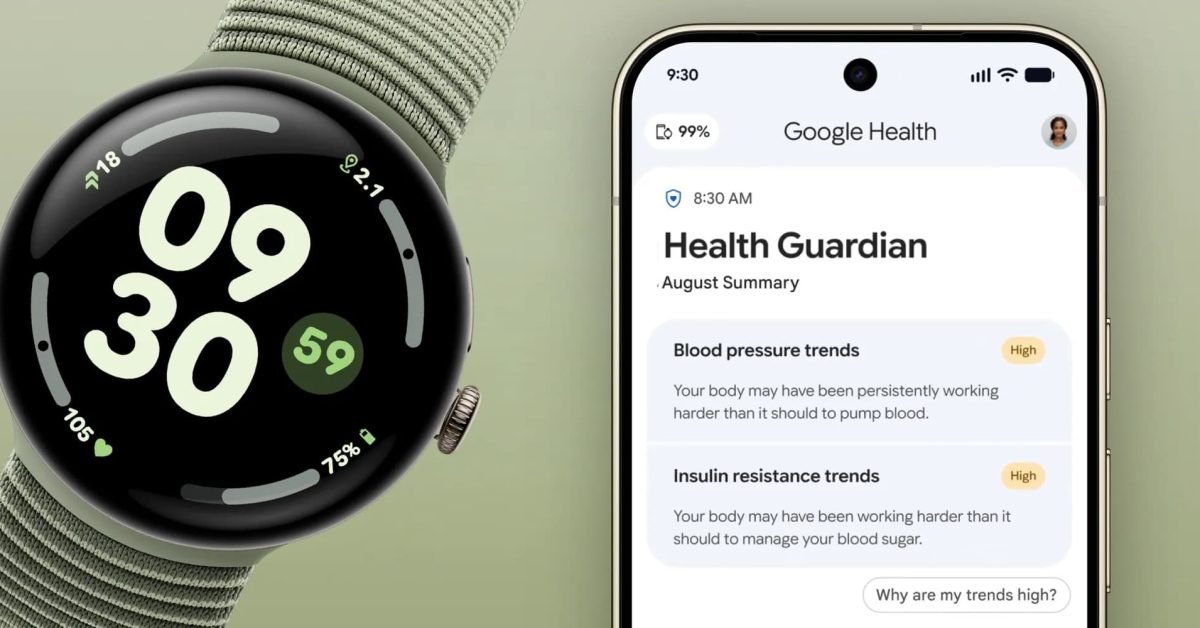
Google has officially released version 5.09 of the Google Health application, marking a significant milestone for users of the Pixel Watch 3, 4, and 5. This update introduces the long-awaited Health Guardian suite, a set of analytical tools designed to provide deeper insights into cardiovascular, metabolic, and respiratory wellness. By leveraging the advanced sensor arrays found in recent Pixel Watch hardware, the application processes longitudinal data to help users identify health patterns before they manifest as critical issues.
The integration of these features follows a rigorous period of testing and data collection. Users who have worn their compatible devices consistently throughout September will be eligible to view their first monthly summary when the cycle concludes in early October. This systematic approach ensures that the insights provided are based on a sufficient sample size of biometric data, increasing the accuracy and reliability of the generated trends.
Advanced Metrics for Cardiovascular and Metabolic Tracking
The Health Guardian suite introduces two primary tracking mechanisms for systemic wellness: blood pressure trends and insulin resistance trends. Blood pressure monitoring is localized within the Heart section of the Health tab. By analyzing sustained data points collected during periods of regular wear—specifically a five-day consecutive streak—the algorithm identifies fluctuations that may indicate potential heart strain. This proactive monitoring allows users to observe patterns in their circulatory health that might otherwise go unnoticed during sporadic check-ups.
Parallel to this, the metabolic tracking features address a vital component of long-term health. The new insulin resistance trends monitor physiological markers that correlate with metabolic efficiency. To unlock these metrics, users must have worn their device for seven days and nights throughout the month. By aggregating data across both active and resting periods, the application establishes a baseline for metabolic stability. These tools are designed to facilitate an informed dialogue between users and their healthcare providers, offering a more nuanced view of metabolic function than a single, isolated measurement could provide.
Optimizing Respiratory Health and Sleep Hygiene
Beyond cardiovascular and metabolic monitoring, Google Health 5.09 focuses on respiratory patterns during sleep. The new sleep breathing quality metrics provide a detailed examination of how breathing irregularities influence daily energy levels. This feature is accessible through both the Sleep and Respiratory sections of the application.
The software interprets respiratory rate variability during sleep cycles, presenting data as both daily snapshots and broader monthly trends. Understanding these patterns is essential for identifying potential sleep quality inhibitors. By visualizing the relationship between sleep breathing consistency and daily fatigue, users gain the ability to make more informed decisions regarding their nighttime habits and overall physical recovery. This shift toward diagnostic-adjacent data represents a move toward more comprehensive wearable utility.
Unified Cardio Load Across Third-Party Platforms
One of the most requested features in the evolution of the Google Health ecosystem is the integration of Cardio Load metrics from third-party sources. Previously, the Cardio Load score—a proprietary metric that quantifies the intensity and physical demand of workouts—was primarily tethered to native Google tracking. With the 5.09 update, this has changed.
The application now supports the synchronization of heart rate data from external fitness devices and applications. If a user tracks a workout on a third-party wearable or application and syncs that data to Google Health, the system will now factor that exercise into the user’s total Cardio Load score. This change acknowledges the reality of the modern fitness enthusiast, who may prefer specific equipment for certain activities while maintaining a centralized health dashboard. As long as the external device records continuous heart rate data, the Google Health platform will incorporate that exertion into the broader assessment of the user’s weekly training intensity.
Refinements in Nutrition and Activity Logging
The update also includes a series of quality-of-life improvements aimed at making the platform more responsive to daily user needs. In the nutrition section, the interface for creating custom food items has been streamlined. Users can now toggle serving units and assign meal times with greater ease. These adjustments rectify previous software constraints, such as the persistence of deleted items in custom lists, ensuring that user-maintained databases remain accurate and uncluttered across both Android and iOS platforms.
Activity logging has also received a functional overhaul. The Fitness tab now includes an expanded selection of logging methods, allowing for more specific documentation of physical achievements. Furthermore, Google has resolved a technical issue that caused the loss of historical step streaks for some users. The restoration process for this data is currently underway, with affected users seeing their historical milestones reappear within the application interface. These refinements, while incremental, contribute to a more stable and user-friendly experience, reinforcing the position of Google Health as a primary hub for personal wellness management.
Disclaimer: This content is auto-generated for informational purposes only.
Source: Read Original News