








The landscape of the Energia All-Ireland League (AIL) Division 1A has undergone a seismic shift, cementing Dublin’s absolute dominance over the top flight of Irish club rugby. As the new season kicks into gear, the capital has officially tightened its grip on the competition, with an unprecedented seven of the ten participating clubs now hailing from the Dublin area.
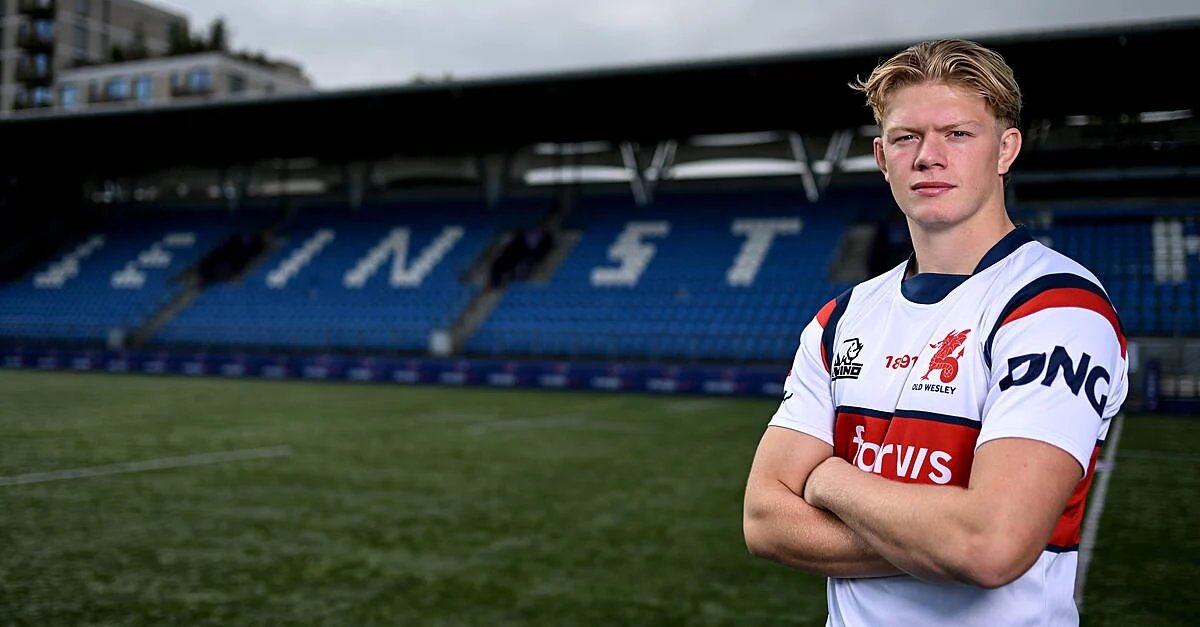
This concentration of power follows a transformative campaign last year, which saw four Leinster clubs reach the play-offs for the first time in the competition’s history. The trend has been further reinforced by the return of Old Wesley to the top flight. Their hard-earned promotion, marking a return to the AIL’s elite after a grueling 29-year absence, acts as the final piece of a geographical puzzle that has left the remaining provincial challengers facing a significant logistical uphill battle.
For the Dublin-based sides, the season ahead looks remarkably manageable. The density of clubs within the capital means that travel requirements have plummeted. With seven teams clustered in the city and surrounding suburbs, players and coaching staff will face just three significant away trips for the entirety of the regular season. Furthermore, the schedule is packed with a dozen high-stakes local derbies, ensuring that rivalries are intensified while the physical toll of mid-week travel is kept to a minimum.
In stark contrast, the three non-Dublin outfits—Cork Constitution, Ballynahinch, and Young Munster—find themselves facing an exhausting slog. Without the luxury of proximity to their peers, these clubs are staring down the barrel of nine long-distance bus journeys each, as they traverse the country to fulfill their fixtures in the capital. The absence of local derbies means that every weekend serves as an away-day endurance test, significantly complicating training schedules and player recovery compared to their Leinster counterparts.
Rugby analysts suggest this “Dublin-centric” model is creating a two-tier reality, not just in terms of resources, but in physical preparation. The reduced travel time for Dublin clubs allows for greater consistency in training routines, while the perennial travelers are forced to navigate the logistical drain of constant coach journeys.
As the season progresses, the pressure will be on the provincial clubs to overcome this imbalance. Whether the travel fatigue impacts performance on the pitch remains to be seen, but one thing is certain: the AIL has become a fortress for Dublin rugby, and for the outsiders, the road to the title has never looked longer. The battle for the top-flight crown is no longer just about talent and tactics; it has become a logistical war of attrition that heavily favors those who play within the M50.
Disclaimer: This content is auto-generated for informational purposes only.
Source: Read Original News