







US Positions Itself as Key Energy Partner for India Amid Shifting Global Dynamics
As India continues to navigate the complexities of global energy security, the United States has stepped forward with a strategic bid to become a primary supplier for the South Asian nation. With India’s domestic energy appetite scaling rapidly, New Delhi has been actively seeking to diversify its import portfolio—a long-standing objective that is now receiving renewed momentum through deepened cooperation with Washington.
Strengthening the Energy Bridge
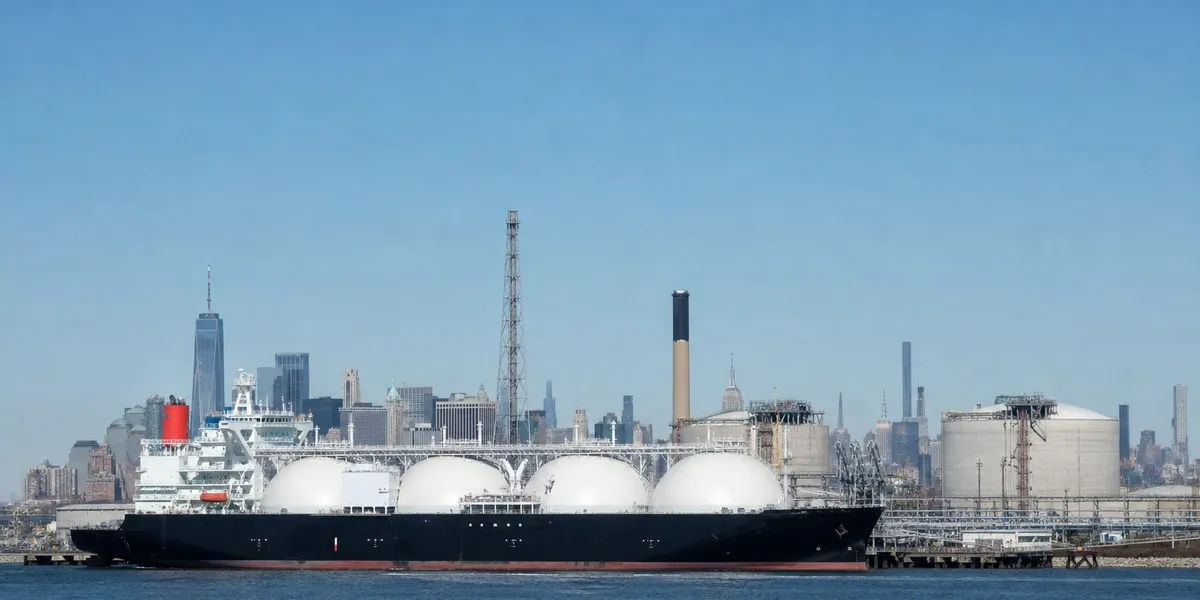
A senior official from the US State Department recently highlighted that the United States is aggressively expanding its hydrocarbon export capacity, with a specific focus on meeting India’s growing demand. Currently, the US holds the position of the world’s largest exporter of liquefied petroleum gas (LPG) and the second-largest exporter of liquefied natural gas (LNG).
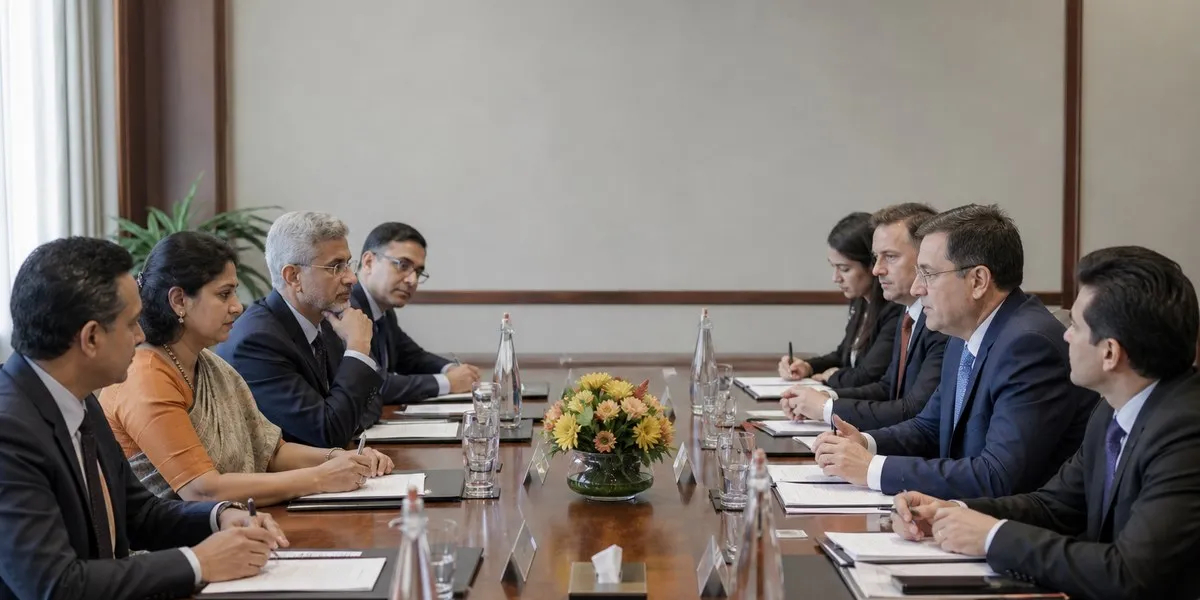
According to State Department representatives, while India had initiated efforts to diversify its energy basket prior to the ongoing geopolitical conflicts, the urgency to finalize alternative supply chains has intensified. High-level discussions regarding these energy avenues have become a staple of bilateral talks between Indian External Affairs Minister Subrahmanyam Jaishankar and US Secretary of State Marco Rubio, signaling a high-priority alignment on energy independence.
Navigating the Shadow of the 2026 Sanctions Act
The diplomatic pivot toward US energy imports coincides with the recent enactment of the Lindsey O. Graham Sanctioning Russia and Iran Act of 2026, signed into law by President Donald Trump. This legislation grants the US administration the authority to impose tariffs reaching up to 100% on nations that continue to purchase oil and gas from Russia, a list that technically includes significant buyers like India and China.
However, the State Department official was quick to clarify that the implementation of these tariffs is neither automatic nor immediate. The legislation contains a robust “national security exception” clause, providing the necessary diplomatic flexibility. Washington has indicated that it views India as a strategic partner and is looking for cooperation in broader geopolitical efforts to resolve current international conflicts, rather than moving immediately toward punitive measures.
Exploring New Market Horizons
Beyond standard hydrocarbon trade, the US is looking at the long-term potential of other energy-rich regions. The American administration has signaled that it may hold the keys to unlocking access to Venezuelan energy markets for Indian firms. While India previously maintained significant refinery interests within Venezuela, the official noted that the industry there has suffered from systemic degradation during the years of Nicolás Maduro’s administration.
The State Department suggested that any restoration of Indian operational capacity in Venezuela would be tied to the broader framework of the current US administration’s policies in the region. As Washington positions itself as both a direct provider of LNG and a strategic coordinator for global energy access, the message to New Delhi is clear: the path to energy security for a rising India is increasingly being paved through a deeper, more comprehensive partnership with the United States.
As these dialogues evolve, both nations appear focused on balancing the immediate necessity of affordable energy with the long-term requirements of their bilateral security and economic agenda.
Disclaimer: This content is auto-generated for informational purposes only.
Source: Read Original News