








The Strategic Impact of Periodic Bank Closures on Indian Financial Operations
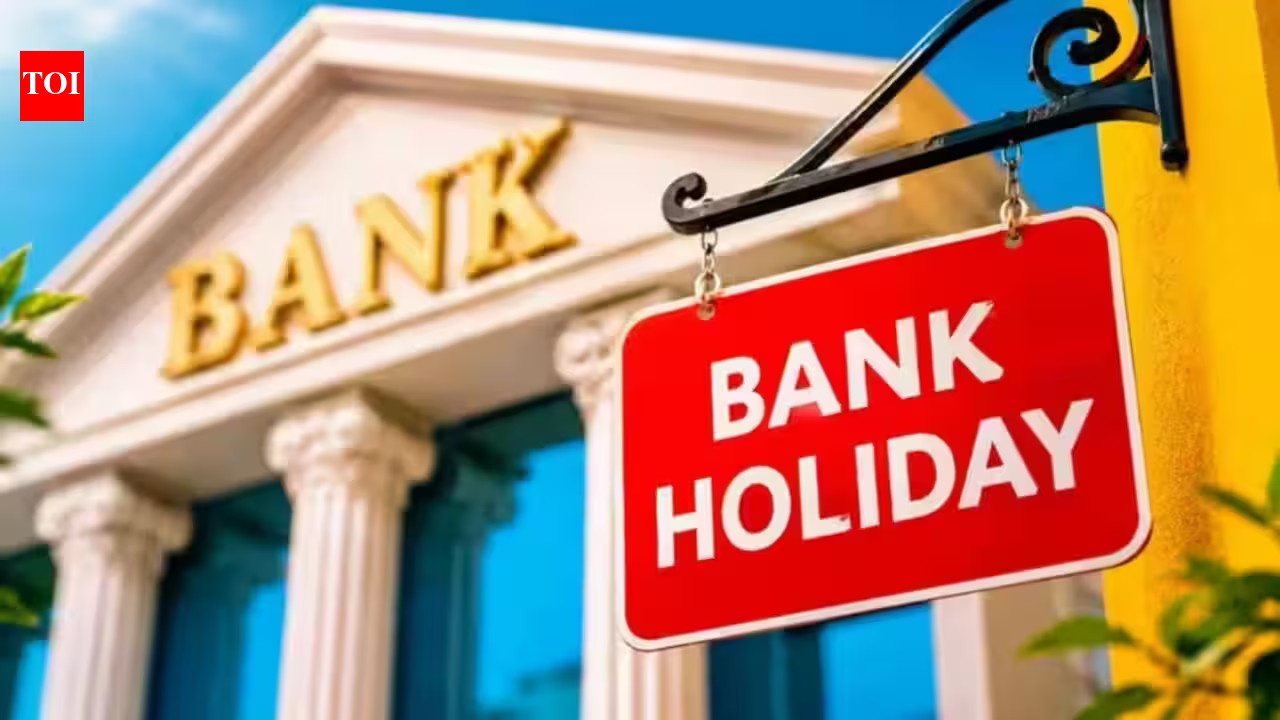
The Indian banking sector, a cornerstone of the national economy, functions under a complex regulatory framework that necessitates periodic closures for both statutory holidays and institutional labor relations. As we observe the upcoming period from September 28 to October 4, characterized by both union-led strikes and national commemorations, the broader implications for liquidity, customer convenience, and digital adoption become evident. For businesses and individual consumers alike, these days of inactivity highlight the ongoing evolution of the Indian financial landscape, where physical branch dependence is rapidly being supplanted by robust digital infrastructure.
When major lenders cease operations, the impact on business continuity can be significant. The three-day nationwide strike initiated by the United Forum of Bank Unions (UFBU) from September 28 to September 30, coupled with the national closure on October 2 for Gandhi Jayanti, creates a concentrated window of limited accessibility. During such intervals, the traditional reliance on “over-the-counter” services—such as large-scale cash deposits, physical check clearances, and intricate trade finance documentations—is effectively paused. Analyzing these closures provides a clear lens through which we can assess the maturity of India’s digital banking penetration and the necessary adjustments in corporate cash flow management.
Navigating Labor Relations and Regulatory Holiday Calendars
Bank holidays in India are determined by a combination of state-specific government declarations, national holidays, and institutional industrial actions. The Reserve Bank of India (RBI) categorizes these closures under three distinct headings: the Negotiable Instruments Act, the Real Time Gross Settlement (RTGS) holiday, and the Closing of Accounts. Understanding these distinctions is critical for treasury managers and retail customers who must reconcile their financial commitments with the restricted availability of banking personnel.
Industrial actions, such as the upcoming UFBU strike, introduce an element of unpredictability that differs from standard holiday calendars. While national commemorations are fixed and predictable, union strikes are often the result of long-standing negotiations regarding wage revisions, pension reforms, and recruitment policies. For the Indian banking consumer, these events serve as a practical test of a lender’s operational resilience. It forces a strategic pivot toward alternative channels, ensuring that while human-led services are absent, the systemic integrity of the financial network remains intact. The complexity of managing these shutdowns across different states further underscores the importance of the RBI’s centralized, yet state-customized, holiday transparency.
The Resilience of Digital Banking Infrastructure
Perhaps the most significant development in Indian banking over the past decade is the decoupling of financial services from physical bank branches. The rapid proliferation of the Unified Payments Interface (UPI), coupled with advanced internet banking and mobile application suites, has mitigated the operational paralysis that once accompanied long holiday stretches. During the upcoming week of closures, the vast majority of retail transactions—ranging from Peer-to-Peer (P2P) transfers to merchant payments—will continue uninterrupted.
This transition toward a “branchless” primary experience is not merely a convenience; it is a necessity for a high-velocity economy. As digital adoption grows, the pressure on banks to maintain massive physical footprints for routine operations diminishes. Banks now view their digital platforms as the primary interface, while physical branches are reserved for high-value advisory roles, complex lending processes, and regulatory compliance tasks that still necessitate in-person verification. Consequently, the temporary closure of branches serves to reinforce the value proposition of digital-first banking, encouraging segments of the population that might still lean toward physical counters to embrace mobile alternatives.
Operational Challenges for Corporate and Retail Banking
Despite the efficiency of the digital ecosystem, certain sectors remain tethered to the physical branch. Businesses engaged in high-volume cash transactions, retail establishments requiring daily physical deposit processing, and importers/exporters needing manual authentication of customs or trade documents face distinct hurdles during multi-day bank closures. In these instances, a three-day strike followed shortly by a national holiday necessitates advance planning.
Treasury departments in large firms must preemptively schedule disbursements and liquidity management to ensure that payment cycles are not disrupted by the absence of clearinghouse services. For the retail sector, the primary challenge is the “float”—the delay in funds being credited due to the pause in manual clearing cycles. While the Immediate Payment Service (IMPS) and RTGS are electronic, certain inter-bank settlement processes still require verification protocols that may experience latency when staff numbers are depleted or offices are fully shuttered. Businesses are increasingly adopting automated reconciliation software that anticipates these holiday windows, allowing for a seamless transition into the shutdown period without impacting the operational bottom line.
Strategic Recommendations for Customers and Businesses
To minimize friction during periods of bank closures, stakeholders should adopt a proactive stance. First, the importance of maintaining an updated view of the RBI’s holiday calendar cannot be overstated. By cross-referencing this calendar with internal business timelines, organizations can prevent liquidity crunches. Second, customers should leverage the downtime to verify their digital credentials. Ensuring that mobile banking apps are updated, two-factor authentication tokens are functional, and transaction limits are set at appropriate levels are essential preparatory steps.
For those requiring high-value services that cannot be performed digitally, such as the submission of original physical documents or the resolution of dormant account disputes, it is vital to complete these tasks well before the onset of the holiday cycle. Furthermore, businesses that rely on cash-in-transit services should coordinate with their logistics partners to ensure that physical cash is secured during the strike period. By treating these closures as planned maintenance windows rather than unexpected disruptions, both individual account holders and corporate entities can effectively maintain the continuity of their financial activities.
The Long-Term Perspective on Banking Accessibility
The trend toward reduced reliance on physical banking branches is likely to accelerate, driven by both technological innovation and a shifting regulatory environment. As the Indian banking system continues to integrate more deeply with advanced fintech solutions, the concept of a “bank holiday” will continue to lose its traditional significance for the average user. While a branch may be closed, the bank itself, as an entity of liquidity and credit, remains permanently available through the cloud.
As we look toward the future, the integration of Artificial Intelligence in customer service—such as automated chatbots that resolve common queries during holidays—will further reduce the necessity for physical intervention. The upcoming disruption serves as a reminder of the historical importance of the physical branch, but it simultaneously highlights how far the industry has moved. In the modern Indian economic context, a holiday for a branch is no longer a holiday for the economy. By embracing the digital tools currently at their disposal, participants in the Indian financial market can ensure that their operations remain as robust and resilient as the economy they serve, regardless of the physical status of their local bank branch.
Disclaimer: This content is auto-generated for informational purposes only.
Source: Read Original News