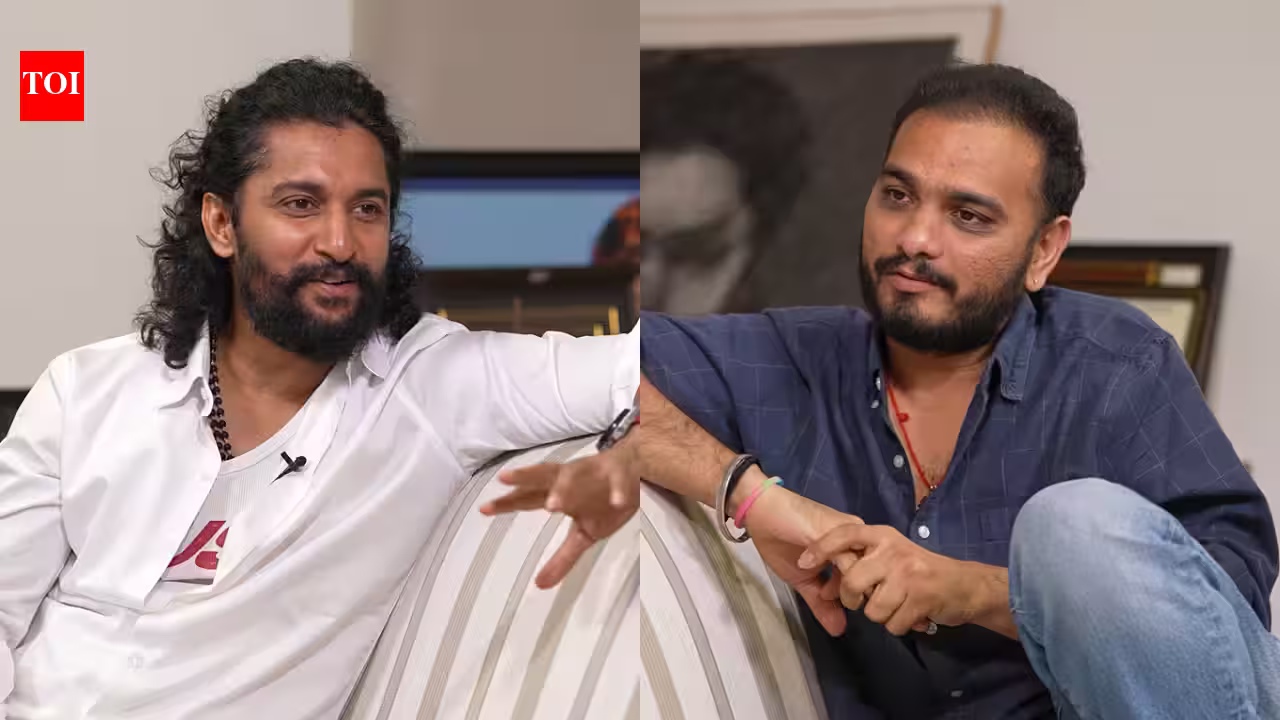








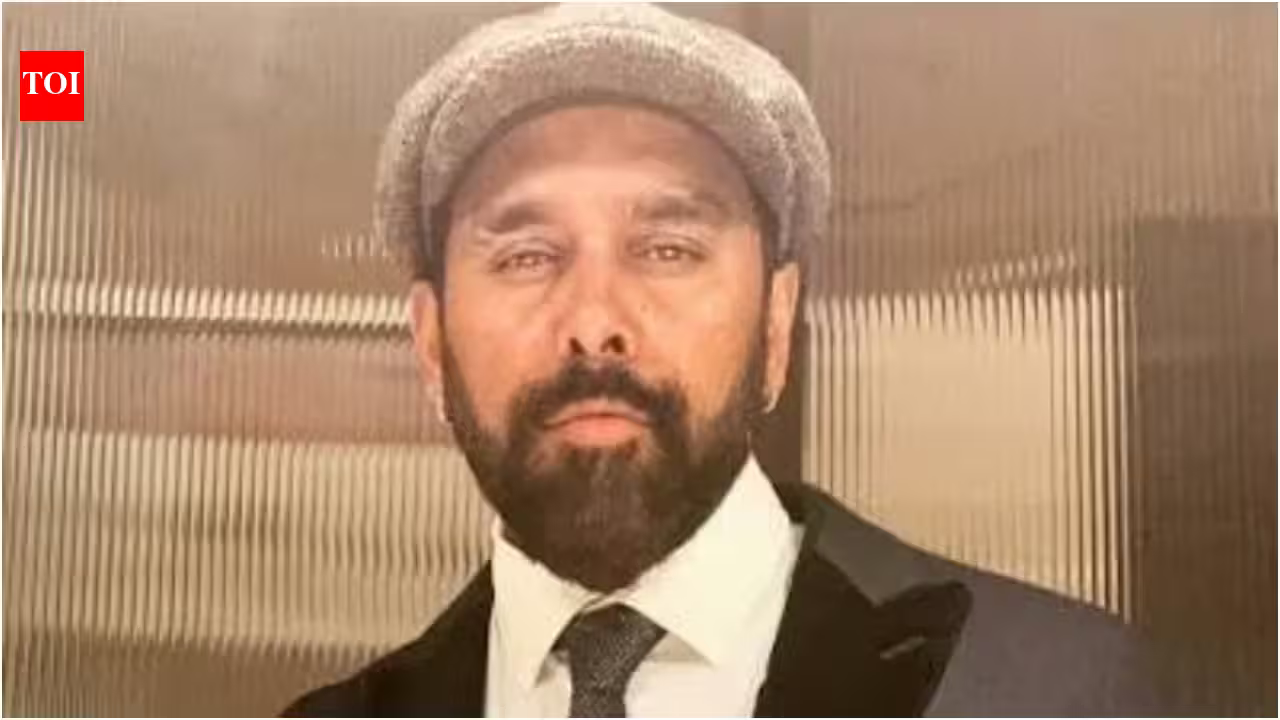
In the cutthroat world of Bollywood, where friendships are often forged on film sets and frayed by the pressures of success, the lines between personal camaraderie and professional expectation are notoriously thin. Recently, ace choreographer Bosco Martis, one half of the iconic duo Bosco-Caesar, pulled back the curtain on a pivotal, albeit bruising, moment in his career involving actor Vivek Oberoi. It is a story that captures the volatile landscape of the early 2000s, a period when Vivek Oberoi was ascending as one of India’s most promising young stars.
The anecdote, shared on Bosco’s own YouTube channel, serves as a masterclass in shifting perspectives—transforming what was once perceived as an ego-driven slight into a vital lesson in industry professionalism.
A Flashback to the Era of ‘Company’ and ‘Saathiya’
The year was 2002. It was a watershed moment in Hindi cinema, defined largely by the meteor-like rise of Vivek Oberoi. With back-to-back hits in Ram Gopal Varma’s gritty crime drama Company and the romantic masterpiece Saathiya, Oberoi had become the industry’s most sought-after name.
Bosco Martis, while already carving his niche, was operating in a space where old-school industry norms were colliding with a new generation of stars who demanded more from their collaborators. Reaching out to Oberoi during this whirlwind period, Bosco felt the sting of a cold shower. “I called Vivek during this period, after a very long time,” Bosco recounted. Eager to collaborate, the choreographer pitched a song idea to the actor. Instead of the warm, nostalgic reception one might expect between old acquaintances, Oberoi’s reply was starkly business-like: he asked for a creative concept and a detailed breakdown before committing.
At the time, the reception left Bosco reeling. “I said, ‘Vivek, I want to do a song with you.’ You said, ‘Yes, we should definitely do it,’ and then you added, ‘Work out the creatives and give me a breakdown.’ Although I agreed, I felt hurt thinking about why you said that with so much attitude,” Bosco admitted.
The Anatomy of Professional Boundaries
Looking back, the interaction reveals the friction that often exists when talent meets stardom. For Bosco, the hurt stemmed from the expectation that their shared history should supersede the formality of a business pitch. However, as he reflected on the exchange years later, he had an epiphany that shifted his entire outlook on his craft.
He realized that his frustration was born from his own lack of preparation. Approaching a man at the height of his powers—a star who was meticulously curating his image and trajectory—required more than just a casual friendly outreach. It required a vision.
“I eventually realized you were absolutely right,” Bosco confessed to the actor. “I am going to a star who has worked so hard to reach a certain level. I am a choreographer, and if I am approaching a star, I have to be prepared about how I can position him.” This admission marks a level of maturity that is rarely seen in the often-ego-driven circles of the entertainment industry. It highlights that true professionalism isn’t just about the work itself, but about respecting the value of one’s collaborators by coming to the table with substance.
The Philosophy of ‘Work is Work’
The conversation between the two men eventually turned into a larger discussion about the ethics of Bollywood. For Vivek Oberoi, the distinction between his personal life and his professional obligations is non-negotiable. He holds a firm stance: mixing the two is a recipe for disaster.
“Work is work, right? Kaam ko dosti aur yaari se alag hi rakhna chahiye (Work should be kept separate from friendship and camaraderie). You can’t take it for granted. If you do that, you will fall soon,” Oberoi asserted.
It is a sobering perspective, one that explains how many stars manage to sustain long-term relevance. In an industry defined by fleeting relationships and fickle loyalties, treating every opportunity as a serious professional commitment—regardless of who is on the other side of the table—is how one survives the long game. Oberoi’s rejection of the “chalta hai” attitude (the casual, laissez-faire approach) underscores why he was able to command the screen so effectively in the early 2000s.
A Legacy Defined by Versatility
To understand the weight of the demands Vivek Oberoi placed on his team, one only needs to look at the sheer breadth of his filmography. Following the intensity of Company and the nuance of Saathiya, he didn’t settle into a single mold. He navigated the transition from dark, character-driven roles to mainstream entertainer effortlessly.
From the cult-favorite Masti franchise to the visceral brutality of Omkara and the high-octane drama of Shootout at Lokhandwala, Oberoi’s career has been nothing if not eclectic. He has consistently crossed regional borders as well, making waves in the South Indian film industry with projects like Lucifer and Kaduva.
As he returns to familiar territory with the recent Mastiii 4, one can see that the same meticulousness he demanded from his choreographers two decades ago has likely fueled his resilience in the industry. The story shared by Bosco Martis is not a critique of the past, but an appreciation of the standards that elevate a mere actor to a star. It reminds us that behind every iconic frame in a song or film sequence, there is a complex web of negotiations, high expectations, and the quiet, often difficult, evolution of professional respect.
Disclaimer: This content is auto-generated for informational purposes only.
Source: Read Original News