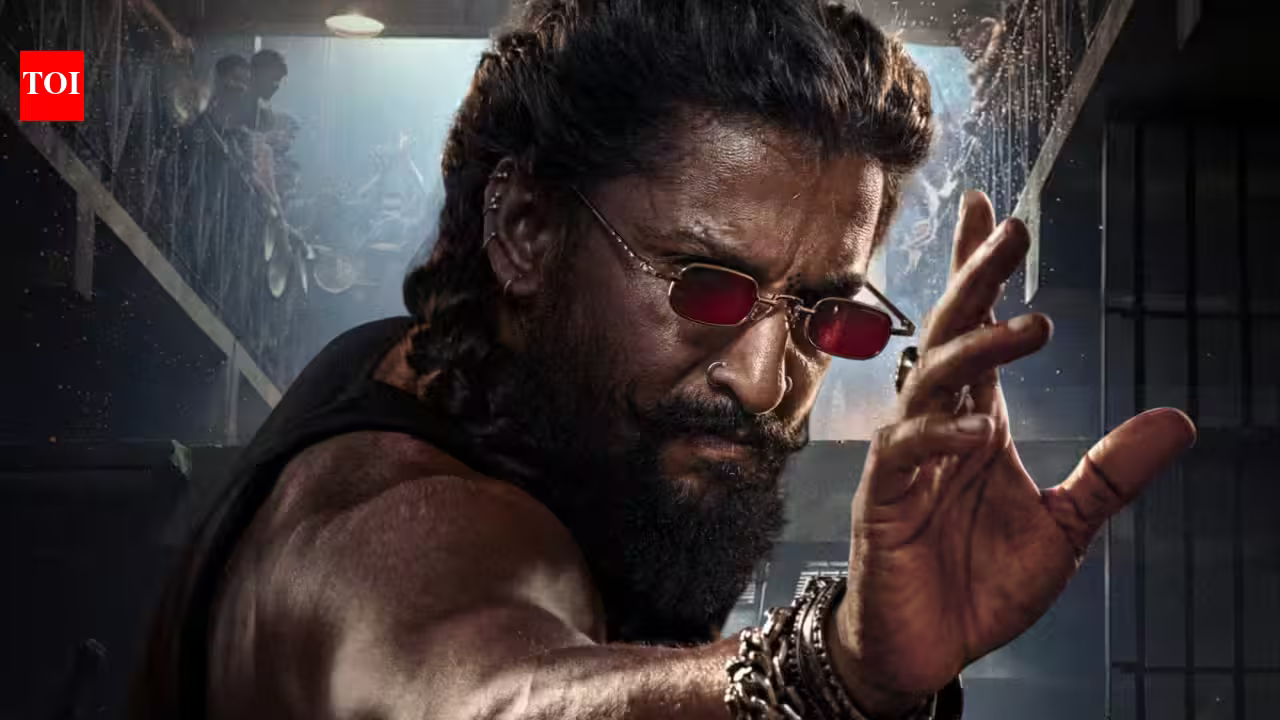









The buzz surrounding Ranabaali has officially reached a fever pitch. In an era where period dramas are fighting for space in a saturated market, the creative team behind this highly anticipated project has decided to pivot from traditional promotional tactics. Instead of a standard trailer or a teaser drop, they are inviting audiences into a historical deep-dive, blurring the lines between cinema and investigative storytelling.
With Vijay Deverakonda and Rashmika Mandanna reuniting on screen, the hype was already palpable. But by announcing a four-part documentary series titled “Never Forget – The Truth Series,” the makers are signaling that Ranabaali is intended to be more than just a box-office spectacle—it’s an attempt to excavate a painful, often overlooked, chapter of Indian history.
Setting the Stage: A Historical Reckoning
Directed by the visionary Rahul Sankrityan, Ranabaali transports us back to the late 19th century, focusing specifically on the Madras Famine of 1876-78. For those unfamiliar with the period, this was one of the most devastating humanitarian crises under British colonial rule.
Sankrityan is known for his atmospheric world-building, and this film appears to be his most ambitious undertaking to date. By choosing to frame the film’s promotion around these documentary chapters, the production is effectively grounding its fictional narrative in grim, documented reality. It’s a bold move that demands the audience take the subject matter—and the historical weight of the protagonist’s struggle—seriously.
Unpacking “The Truth Series”
The “Never Forget” documentary series is a masterclass in pre-release engagement. By releasing these segments leading up to the October 16, 2026, premiere, the producers are building a thematic bridge between the viewer’s curiosity and the film’s core conflict.
The schedule for these episodes provides a clear roadmap of the film’s narrative pillars:
- Chapter One: ‘The Famine We Forgot’ (Sept 28): Tackling the “man-made” nature of the tragedy, this episode promises to look at how colonial policies were weaponized to starve and enslave the local population.
- Chapter Two: ‘The History We Forgot’ (Sept 30): A critique of the colonial narrative. It poses pointed questions about the “utility” of infrastructure, like the railways, and how the version of history we were taught in schools might have been sanitized to hide the blood beneath the tracks.
- Chapter Three: ‘The Men We Forgot’ (Oct 2): A spotlight on the forgotten revolutionaries—those who refused to submit to the British machinery. This episode likely sets the stage for Vijay Deverakonda’s titular character, Ranabaali.
- Chapter Four: ‘The Last Load’ (Date TBD): The finale of the series. While shrouded in mystery, the title suggests a final reckoning, potentially mirroring the film’s climax where the tension between the protagonist and his oppressors reaches a breaking point.
A Powerhouse Trio: Deverakonda, Mandanna, and Vosloo
The casting for Ranabaali is a strategic blend of regional star power and international gravitas. Vijay Deverakonda, ever the chameleonic performer, steps into the role of a Rayalaseema man who evolves into a symbol of resistance. Having him front a film of this scale suggests a shift in his career trajectory, moving from the relatable “rowdy” heartthrob to a gritty, historical protagonist.
Rashmika Mandanna’s involvement as Jayamma, Ranabaali’s partner in the struggle, promises to elevate the film’s emotional stakes. In historical dramas of this nature, the female lead often risks being sidelined, but all signs point to Jayamma being a foundational part of the rebellion.
However, the most intriguing casting choice is undeniably Arnold Vosloo. Fans of 90s cinema will instantly recognize him as the iconic Imhotep from The Mummy. Seeing Vosloo take on the role of Sir Theodore Hector—the embodiment of the British colonial oppressor—is a stroke of brilliance. His presence brings a level of cold, calculated malice that provides the perfect foil for the emotional intensity of the Indian cast.
A Pan-Indian Spectacle on the Horizon
The decision to release Ranabaali in five languages—Telugu, Hindi, Tamil, Kannada, and Malayalam—confirms that this is a top-tier project with eyes on a massive cross-country footprint. The pre-Dussehra weekend release, scheduled for October 16, 2026, is a premium slot in the Indian theatrical calendar, indicating the immense confidence the studio has in the product.
In recent years, we have seen the rise of the “Pan-India” film, but Ranabaali feels different. While the blockbuster formula usually involves high-octane action and larger-than-life heroics, the inclusion of the “Never Forget” series suggests that the film aims to engage the mind as much as the pulse.
The Anticipation Grows
As the release date draws closer, the industry will be watching closely to see if this documentary-led strategy pays off. Will the audience respond to a film that asks them to do their homework? Given the trend of audiences gravitating toward films that celebrate indigenous heroes and expose colonial atrocities, the signs are positive.
Ranabaali is positioning itself as a cinematic event that demands a seat in the theater for more than just the action sequences. It is, quite literally, a reminder of the things we’ve been conditioned to forget. For Vijay Deverakonda, this could be the defining performance of his career. For the audience, it promises to be an evocative journey into the heart of the Madras Famine.
Mark your calendars for September 28—the first chapter of the truth is coming, and it’s likely to change the way we look at Ranabaali forever.
Disclaimer: This content is auto-generated for informational purposes only.
Source: Read Original News