






A Timeless Odyssey: Why Director Ram’s ‘Yezhu Kadal Yezhu Malai’ is the Most Ambitious Film of the Year
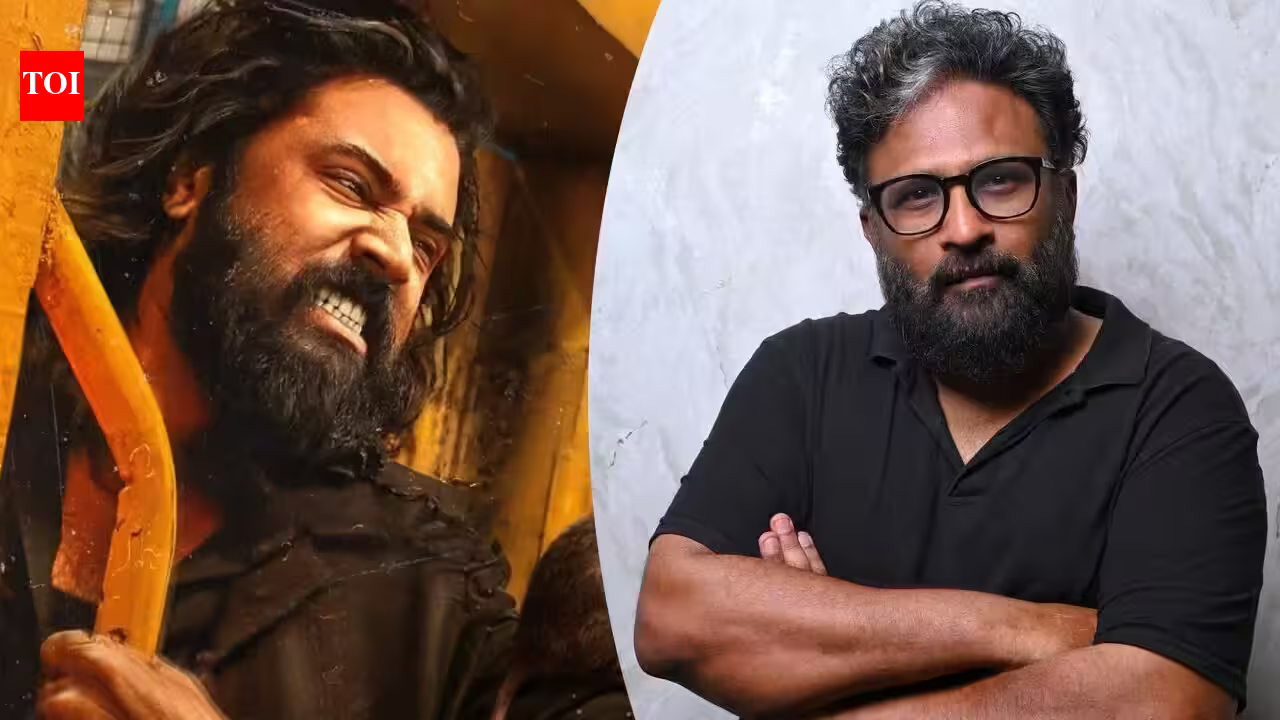
In an industry often crowded with formulaic thrillers and high-octane actioners, director Ram has always been the outlier—the poet of Tamil cinema who chooses to look at the human condition through a fractured, artistic lens. With his upcoming magnum opus, Yezhu Kadal Yezhu Malai, he appears to be moving beyond his signature grounded realism into something far more ethereal. As the film gears up for a highly anticipated worldwide theatrical release on October 1, the buzz surrounding the project has reached a fever pitch. This isn’t just another regional release; it is a sprawling, metaphysical journey that promises to challenge what we expect from South Indian storytelling.
The Immortality of Love: Nivin Pauly’s 8,000-Year-Old Enigma
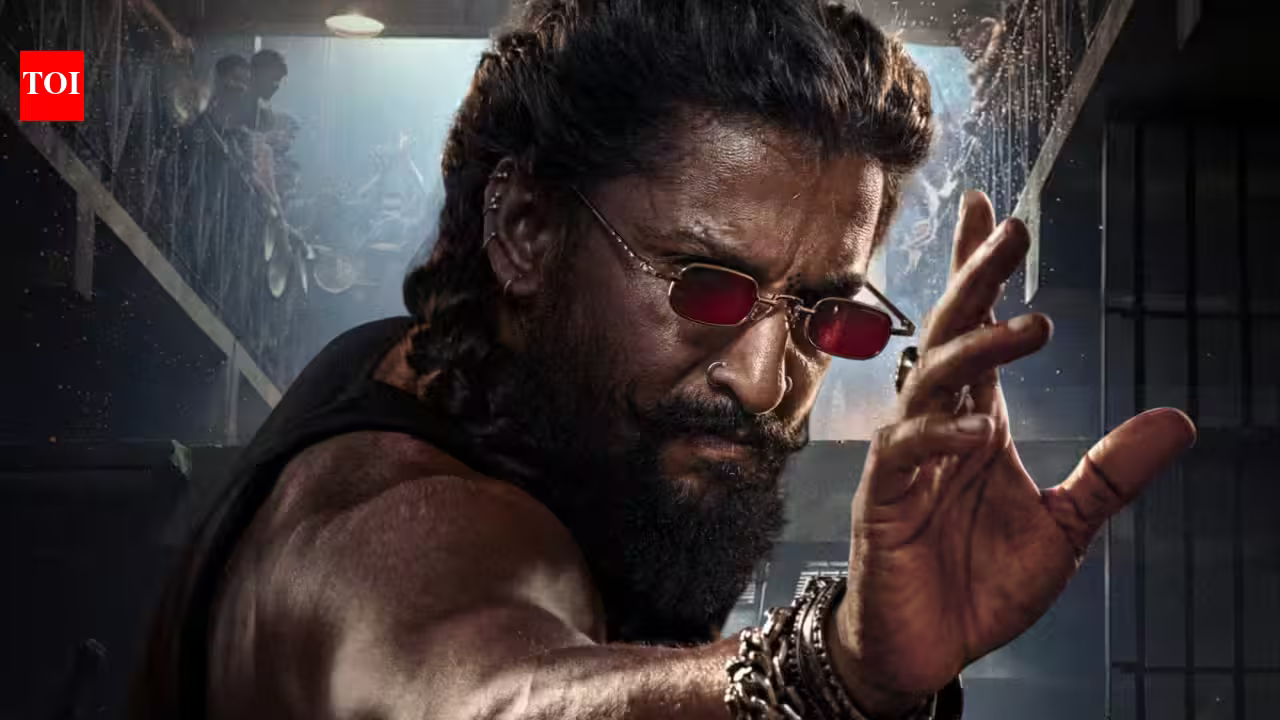
At the heart of this atmospheric mystery lies Nivin Pauly, an actor known for his effortless charm, now stepping into a role that feels miles away from his usual repertoire. Director Ram has peeled back the curtain on this character, confirming that the actor portrays an immortal being who has traversed the annals of time for over 8,000 years.
“Nivin Pauly plays an immortal character who has lived for 8,000 years,” Ram revealed in a recent interview. “He has seen everything in life, but love is the only thing he never gets tired of.”
This revelation alone changes the context of the film’s trailer and posters. We are no longer looking at a standard romantic drama or a period piece. Instead, we are looking at a character study of a man who has witnessed the rise and fall of civilizations, yet remains tethered to the singular, recurring pain and joy of longing. For a performer like Nivin, this is the ultimate litmus test—to play someone who has forgotten the color of his own childhood but can never forget the face of his lover.
Soori: The Earthbound Anchor in a Sea of Fantasy
While Nivin Pauly’s character drifts through the ether of time, the film finds its gravity in the performance of Soori. Having successfully transitioned from the industry’s go-to comedian to a powerhouse character actor, Soori’s inclusion here is a masterstroke of casting. Ram describes his character as a man who has spent years in the crushing environment of a desert, toiling away like a slave, only to return home with a singular, desperate mission: the happiness of his family and his son.
This creates a fascinating juxtaposition. You have an immortal, detached from the trivialities of time, and a man who is hyper-aware of his own mortality and the scarcity of his remaining days. “He is very selfish,” Ram notes, “and only wants his family and son to be happy.” It’s this grit—the smell of the desert, the weight of financial burden, and the visceral need for domestic stability—that will likely ground the film’s more abstract, fantastical elements. Soori represents the ‘here and now’ in a film that spans millennia.
The Collision of Worlds: A Diwali Night to Remember
The most tantalizing piece of information Ram has dropped involves a specific, pivotal scene set on a Diwali night. It is the moment these two disparate lives—the immortal dreamer and the exhausted laborer—inevitably collide.
“On a Diwali night, Soori wakes up Nivin Pauly, who is sleeping and dreaming about his lover,” says Ram. “It’s like waking a sleeping tiger.”
This scene acts as the narrative catalyst. The metaphor of the “sleeping tiger” suggests that Nivin’s character, while perhaps weary of his 8,000-year existence, carries a dormant power or a volatility that isn’t to be trifled with. By introducing this intersection of fates, Ram is signaling that Yezhu Kadal Yezhu Malai is as much about the friction between different types of human (and superhuman) experience as it is about its grand, sweeping visuals.
Behind the Lens: A Global Visionary Approach
It is worth noting that Yezhu Kadal Yezhu Malai is not a film that arrived at its October release date without a fight. Having already made its rounds on the international festival circuit, the film has been lauded for its bold visual language and unconventional narrative structure. It is a work that demands a large screen, aided by the haunting, evocative score of Yuvan Shankar Raja and the precise, painterly cinematography of N K Ekambaram.
For fans who have tracked the film through its various delays, the official October 1 release date feels less like a corporate decision and more like a necessary awakening. The film also features Anjali, who serves as a vital anchor to the film’s central mystery. Collaborating for the first time with Nivin Pauly, the synergy between the cast and Ram’s uncompromising vision suggests that we are looking at one of the most intellectually stimulating entries in the year’s cinema calendar.
In an era where audiences are increasingly seeking “events” rather than just movies, Yezhu Kadal Yezhu Malai positions itself as something entirely unique. It asks us to look at the concept of time not as a sequence of events, but as a long, winding road where love is the only permanent landmark. Whether the audience is ready for an 8,000-year-old tale of yearning remains to be seen, but one thing is certain: when the lights dim on October 1, we won’t just be watching a film; we’ll be stepping into a fever dream meticulously crafted by one of the most uncompromising voices in modern Indian cinema.
Disclaimer: This content is auto-generated for informational purposes only.
Source: Read Original News