







Torrential Rains Devastate Northern India and Nepal: 68 Dead as Climate Crisis Deepens
LUCKNOW – A catastrophic spell of torrential rainfall has plunged northern India and neighbouring Nepal into a humanitarian crisis, with disaster management authorities confirming at least 68 deaths over the past 72 hours. The relentless downpour, fueled by a deep atmospheric depression moving inland from the Bay of Bengal, has triggered widespread landslides, flash floods, and massive structural damage across the region.
Uttar Pradesh Bears the Brunt
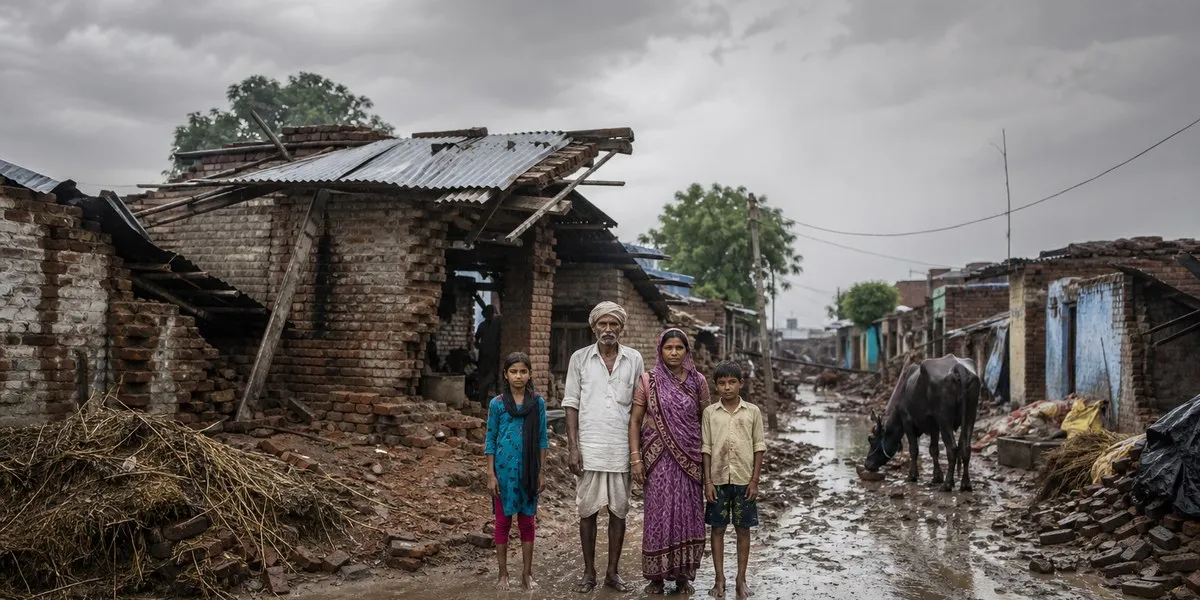
Uttar Pradesh, India’s most populous state with over 240 million residents, has emerged as the epicentre of the tragedy. According to the state’s Relief Commissioner, the death toll has surged to 56 as of Friday, with more than 1,000 residential properties suffering extensive damage or total collapse.
The state government noted that the intensity of the current weather system is far beyond typical seasonal expectations. While the average rainfall for this period usually sits around 7.6 millimetres, the state recorded a staggering 66.5 millimetres between Friday and Saturday. This “exceptionally heavy” precipitation has not only claimed lives but has also wreaked havoc on the agrarian economy. Farmers across the state are now bracing for significant crop losses and potential sowing delays for the upcoming winter season, threatening the livelihoods of millions.
Crisis Escalates in Nepal and Odisha
The impact of the extreme weather extends well beyond Indian borders. Nepal, still struggling to recover from the devastation of late August, is facing a fresh wave of misery. Disaster officials in Kathmandu reported that at least 12 people have lost their lives since Thursday, with another seven individuals still missing. This follows last month’s disaster, which saw a catastrophic glacial mountain collapse near the China-Nepal border that left over 1,400 dead and thousands displaced.
Meanwhile, in India’s eastern state of Odisha, authorities have launched massive evacuation operations. Following severe swelling of local rivers, over 70,000 people from low-lying areas have been moved to safer ground. The surging waters have dismantled critical infrastructure, including bridges and culverts, leading the state to shutter Devkund—a prominent tourist destination—to prevent further loss of life.
A Growing Pattern of Climate Instability
Meteorologists and climate scientists have raised urgent alarms regarding the rising frequency of such extreme weather events across South Asia. The current destruction is being linked to shifting climate patterns and global temperature increases, which are making the annual monsoon season increasingly volatile and unpredictable.
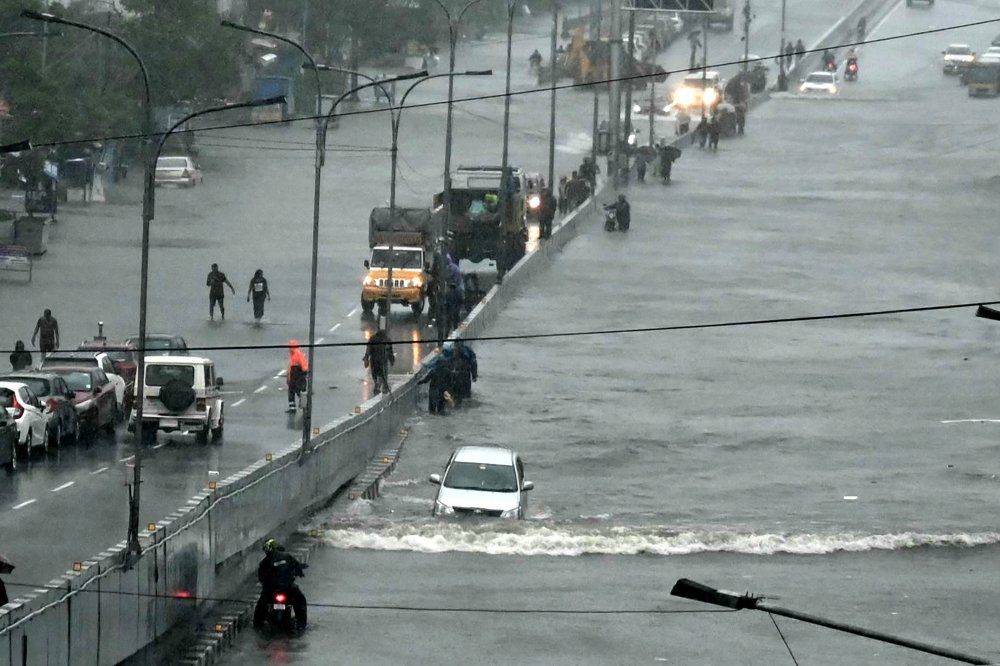
Historically, the monsoon months—running from June to September—bring essential water to India’s parched landscapes following the scorching summer heat. However, the nature of these rains has shifted. Instead of steady, beneficial showers, the region is now frequently hit by concentrated bursts of extreme precipitation that overwhelm existing drainage systems and disaster response capabilities.
As rescue teams continue to navigate flooded terrain and debris-blocked roads, the regional governments are facing mounting pressure to upgrade infrastructure and disaster preparedness protocols. With the climate crisis showing no signs of abating, experts warn that the transition from periods of severe drought to catastrophic flooding will remain a recurring, life-threatening challenge for the subcontinent.
Disclaimer: This content is auto-generated for informational purposes only.
Source: Read Original News