








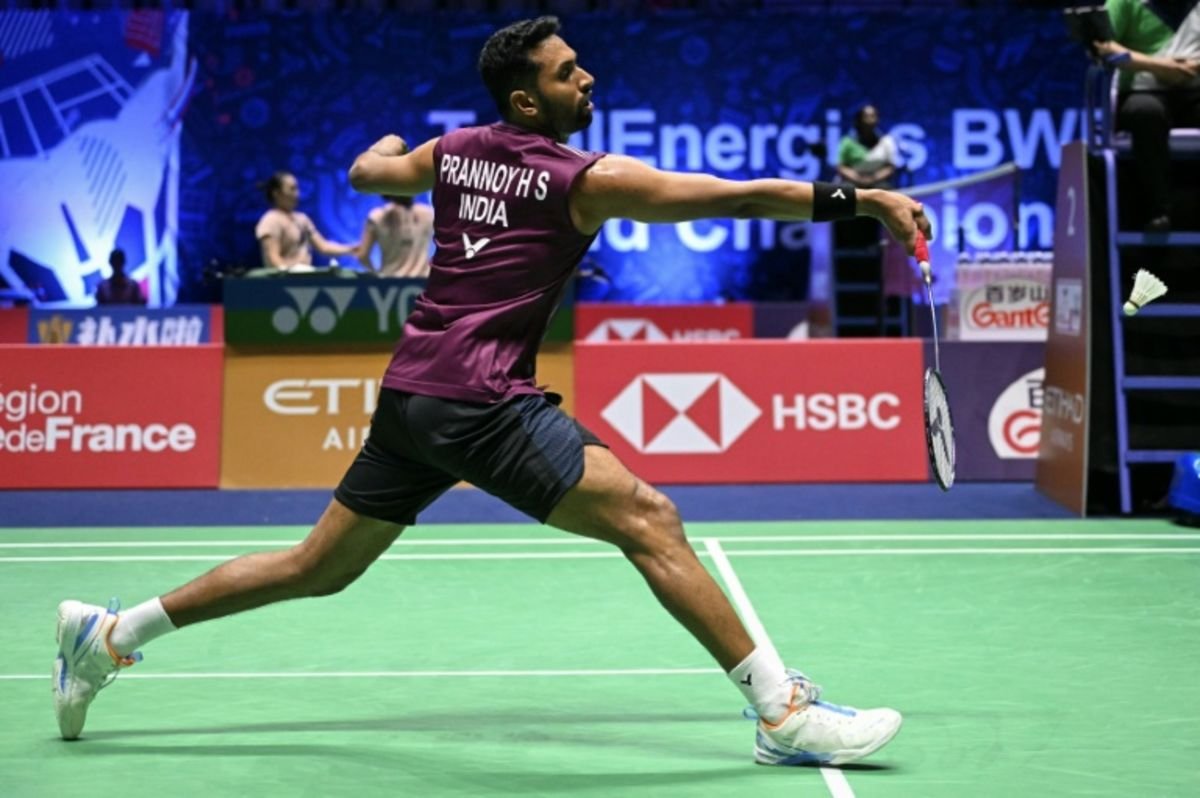
“It Never Felt Like an Asian Games”: H.S. Prannoy Criticizes Aichi-Nagoya Event Logistics
Indian badminton star H.S. Prannoy has delivered a scathing assessment of the recently concluded Asian Games in Japan, labeling the experience as a significant regression from previous editions. The seasoned campaigner, who secured a team bronze medal, described the event as “very sad” and “mediocre,” noting that the logistical shortcomings hampered the spirit of the multisport gathering.
A Missing Sense of Community
For many athletes, the allure of the Asian Games lies in the camaraderie of the athletes’ village, where competitors from diverse nations mingle and build cross-cultural connections. However, organizers in Aichi-Nagoya opted against constructing a traditional central village in a cost-cutting measure. Instead, athletes were dispersed across various hotels, temporary wooden structures, and even a cruise ship.
Prannoy, speaking in a video released by the Badminton Association of India, lamented the loss of the event’s social fabric. “It never felt like we were playing in an Asian Games, to be honest,” the 34-year-old remarked. “The whole fun and point of a multisport event is that you get to meet the rest of the players, there’s an opportunity to mingle with them, to have a conversation with them. It was literally very sad to be in such a situation.”
Comparison to Hangzhou’s Grandeur
The disappointment was magnified by the vivid memories of the 2023 Hangzhou Games in China. Prannoy, who claimed both silver and bronze medals during that tournament, described the Hangzhou experience as “mind-blowing.” Having witnessed the high standards set by China, the athlete expressed frustration that the subsequent edition in Japan failed to match, let alone exceed, those benchmarks.
“You expect it to be better after three or four years,” Prannoy said. “But it just went downwards.”
Operational Failures Mar the Event
Beyond the lack of a cohesive village, participants faced a cascade of logistical hurdles that soured the competitive experience. Reports have emerged detailing severe shortages in accommodation, agonizingly long delays at airport arrival points, and inefficient transport services that made moving between venues a taxing endeavor for team contingents.
Prannoy noted that his experience was shared by many other athletes who struggled with the basic infrastructure provided by the hosts. By failing to provide a seamless environment for the competitors, the organizers inadvertently shifted the focus from the athletic achievements on the court to the administrative lapses off of it.
For a veteran like Prannoy, who has spent his career competing at the highest levels of international badminton, the Aichi-Nagoya Games represent a missed opportunity to showcase the sport in a grand, unified setting. By prioritizing cost-efficiency over the welfare and experience of the athletes, the event failed to capture the prestige typically associated with the second-largest multisport event in the world, leaving a bitter taste for those who were meant to be the stars of the show.
Disclaimer: This content is auto-generated for informational purposes only.
Source: Read Original News