







The Future of Physical Media at a Crossroads
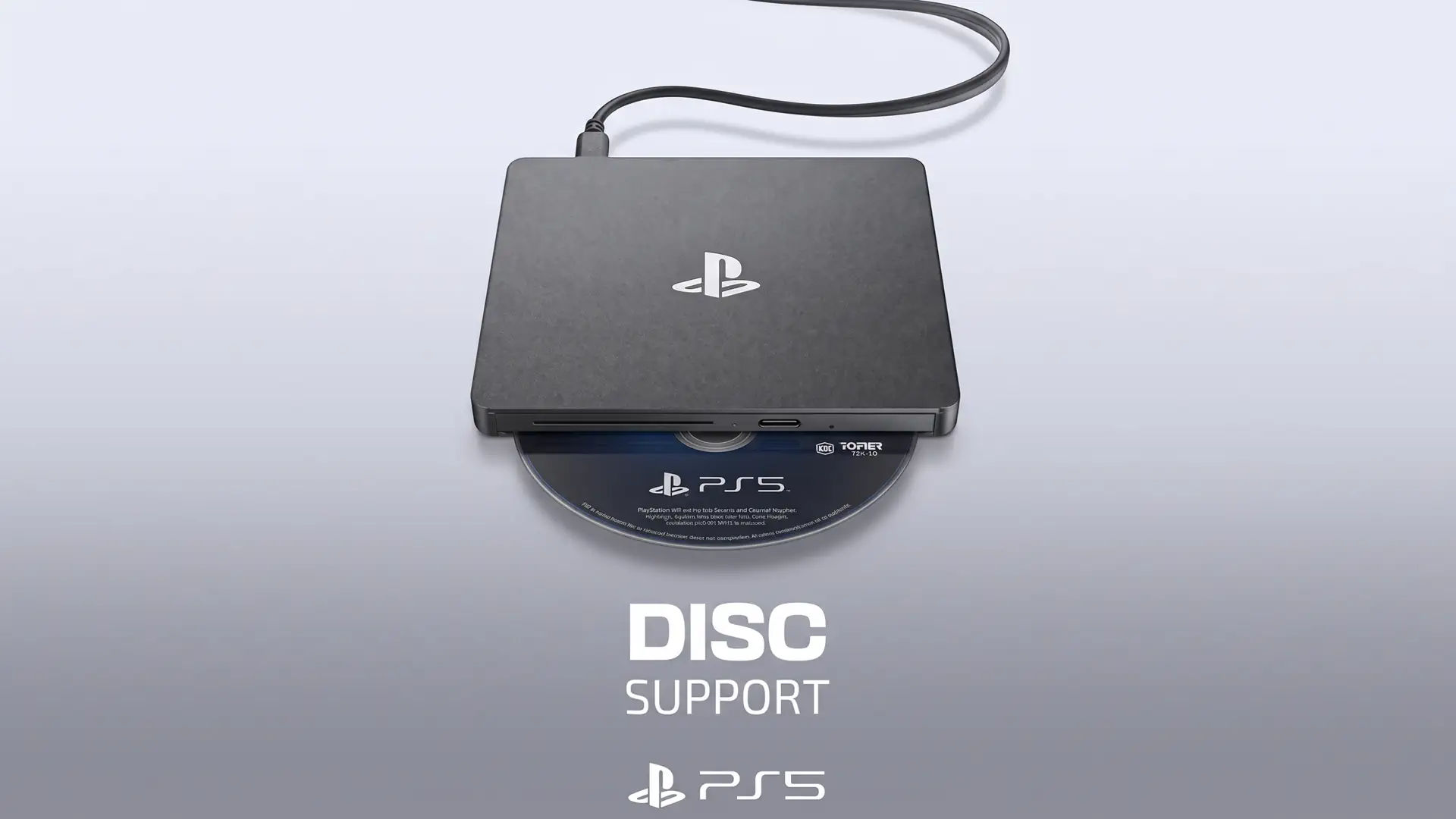
The landscape of modern gaming is undergoing a significant transition as the industry shifts toward digital-first distribution models. However, a recent development suggests that this shift may not be as absolute as previously projected. Nippon Ichi Software, a prominent publisher of niche Japanese role-playing games (JRPGs), has opened formal consultations with Sony Interactive Entertainment regarding the future of optical media. This dialogue centers on Sony’s widely reported strategic objective to phase out physical disc production for the PlayStation ecosystem by 2028.
For years, the industry has trended toward digital storefronts, citing lower overhead costs, instant delivery, and the elimination of logistics chains. Yet, the pushback from publishers and the consumer base has revealed a deep-seated reliance on physical media. Kenzo Saruhashi, CEO of Nippon Ichi Software, has publicly highlighted that the platform holder is actively reviewing feedback from both development partners and the gaming community. This indicates a potential pivot in Sony’s long-term roadmap, suggesting that the era of the physical disc might be extended rather than prematurely terminated.
Why Niche Publishers Rely on Physical Discs
For independent and specialized publishers, the physical format is more than just a storage medium; it is a critical component of their business strategy. Many JRPG developers rely on limited edition releases, which include physical discs, high-quality artbooks, soundtracks, and other tangible merchandise, to drive revenue and foster brand loyalty. These physical products often carry higher price points than standard digital downloads, making them essential for financial sustainability.
Transitioning entirely to digital distribution or “code-in-a-box” solutions—where a box contains a digital redemption key rather than a disc—presents significant risks. Experience across the broader gaming market has demonstrated that collectors and dedicated fans generally reject the code-in-a-box model. These consumers view physical ownership as a hallmark of value, often citing long-term archival concerns, the desire to own a permanent copy of a game, and the tactile nature of a collector’s item. For publishers like Nippon Ichi, abandoning the disc format could alienate their most devoted customer base, potentially leading to a sharp decline in physical retail performance.
The Role of Data and Partner Feedback
The ongoing negotiations are supported by a rigorous assessment of market data. Industry reports indicate that Sony Interactive Entertainment has distributed closed-door surveys to its partner studios. These surveys serve as a diagnostic tool, allowing Sony to quantify the logistical and financial implications of ending optical disc production. By gathering empirical evidence from the developers who understand their target demographics best, Sony is performing a comprehensive analysis of the potential impact on software sales and platform engagement.
This process reflects a broader industry reality: the transition away from physical hardware is rarely as seamless as corporate forecasts suggest. When platform holders move to limit or remove support for legacy formats, they risk fragmenting their user base. By inviting publishers to contribute to the decision-making process, Sony is acknowledging that their hardware success is intrinsically tied to the content pipeline provided by external developers.
Potential for Hybrid Models and Targeted Exceptions
Speculation within the industry suggests that a total ban on optical media is becoming an increasingly unlikely outcome. Instead, observers point to the potential for a more nuanced, flexible set of regulations. Sony may choose to maintain disc drive support or allow specific exceptions for titles produced as collector’s editions. Such a move would satisfy the niche market’s demand for physical products while allowing the company to continue its broader strategy of prioritizing digital infrastructure for mainstream, high-volume releases.
A hybrid approach would allow Sony to mitigate the backlash from hardcore gaming communities without abandoning their efficiency-focused goals. By permitting physical releases on a case-by-case basis or maintaining limited support, the platform holder can support independent creators while still encouraging the growth of the PlayStation Store. This strategy balances the need for modernization with the practical, historical, and economic realities of the video game market.
The Impact of Consumer Advocacy on Hardware Strategy
The influence of consumer sentiment in this debate cannot be overstated. The gaming community has remained vocal about its preference for physical media, frequently citing concerns regarding server longevity, ownership rights, and the inability to trade or resell digital assets. By monitoring this discourse, Sony is demonstrating a degree of responsiveness that is vital to sustaining long-term platform trust.
If the outcome of these consultations results in the preservation of physical discs, it will represent a rare victory for consumer choice in an increasingly centralized tech environment. It proves that despite the undeniable convenience of high-speed digital distribution, the “collector’s value” of a physical product remains a powerful economic force. As the industry looks toward the eventual launch of future hardware, the inclusion of optical media may once again be seen as a premium feature that differentiates a platform, rather than an obsolete technology to be discarded.
For now, the status of 2028 production regulations remains in flux. While the original goal of transitioning to a purely digital environment remains part of the long-term vision, the active involvement of key publishers suggests that the final policy will be shaped by more than just platform-side efficiency. As these negotiations continue, the focus will remain on finding a middle ground that serves both the digital aspirations of the industry and the tangible requirements of the gaming public.
Disclaimer: This content is auto-generated for informational purposes only.
Source: Read Original News